

Working Principle and Features of Corn Starch Material Handling Systems and Equipment
For industrial applications involving corn starch, efficient material handling is crucial to ensure smooth production processes and maintain product quality. The corn starch material handling system, as offered by Shandong HeadPowder Engineering Co., Ltd., is designed to address these needs through a combination of advanced technology and robust engineering. This system is specifically engineered to handle the unique properties of corn starch, such as its fine particle size and hygroscopic nature, while maintaining high operational efficiency and reliability.
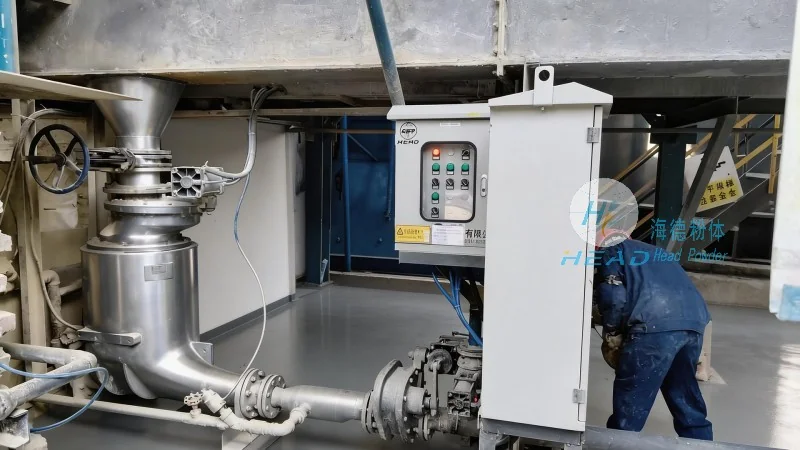
The working principle of the corn starch material handling system centers on a series of interconnected components that work in tandem to transport, process, and store the material. At its core, the system typically includes a feed hopper that receives raw corn starch from bulk storage or processing units. The feed hopper is equipped with a level sensor to monitor the material level and trigger the feeding mechanism when necessary. Once the material is fed into the system, it passes through a series of conveyor belts or screw conveyors that transport it to the processing area. These conveyors are designed with smooth surfaces and minimal friction to prevent material buildup and ensure consistent flow.
Following the conveyor section, the corn starch may undergo additional processing steps, such as mixing or blending, depending on the specific application. The system integrates mixing equipment, such as paddle mixers or ribbon mixers, which are controlled by a programmable logic controller (PLC) to achieve uniform mixing ratios. The PLC also manages the entire system, coordinating the operation of each component to optimize performance and minimize downtime. Sensors are strategically placed throughout the system to monitor parameters like temperature, pressure, and flow rate, providing real-time data for process control and maintenance.
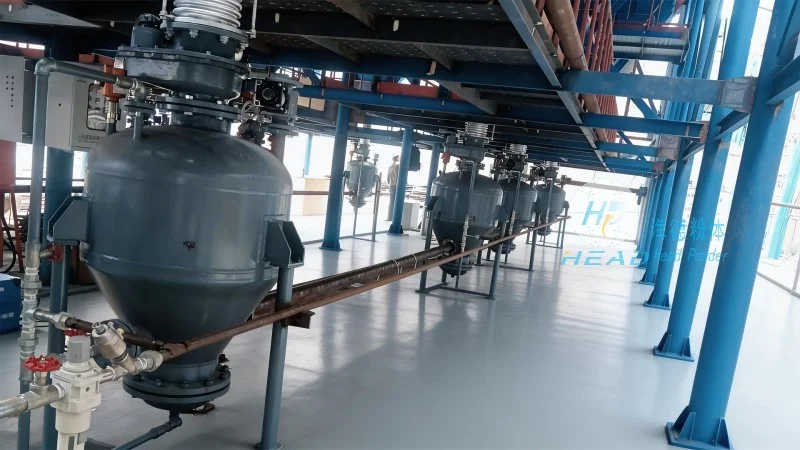
One of the key features of the corn starch material handling system is its adaptability to varying production demands. The system can be configured with different conveyor capacities and processing units to accommodate changes in production volume or product specifications. This flexibility allows manufacturers to scale their operations without significant modifications to the system. Additionally, the system is designed with easy access points for maintenance, reducing the time required for repairs and ensuring continuous operation. The use of high-quality materials, such as stainless steel for contact surfaces, enhances durability and prevents contamination, which is critical for food-grade applications.
Another notable feature is the system's energy efficiency. Advanced motor controls and variable speed drives are employed to adjust the speed of conveyors and mixers based on the material flow, reducing energy consumption during low-demand periods. This not only lowers operational costs but also aligns with sustainability goals. The system also incorporates safety features, including emergency stop buttons and interlocked access panels, to protect operators and comply with safety regulations.
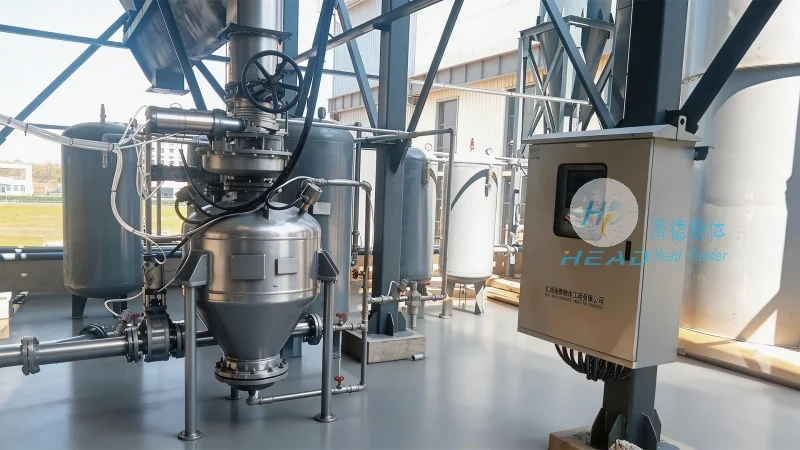
Shandong HeadPowder Engineering Co., Ltd. has leveraged years of experience in material handling technology to develop this comprehensive corn starch material handling system. The company's commitment to quality and innovation is reflected in the design and manufacturing of the equipment, which meets international standards for performance and safety. With a focus on customer satisfaction, the company provides comprehensive support, including installation, training, and after-sales service, to ensure that clients can maximize the benefits of the system.
The corn starch material handling system is an essential component for any facility processing corn starch, offering a reliable and efficient solution to material transport and processing challenges. By integrating advanced technology and robust engineering, the system ensures consistent product quality and operational performance, making it a valuable investment for manufacturers in the food and industrial sectors.