HeadPowder, a leading manufacturer in the field of material handling technology, specializes in the design and production of pneumatic conveying systems tailored for positive electrode materials used in lithium-ion batteries. The company is headquartered in Shandong, China, and has established itself as a trusted provider of high-quality equipment for the battery industry. This article provides an overview of the key equipment involved, the structural principles underlying these systems, and the technical considerations that ensure efficient and reliable operation.
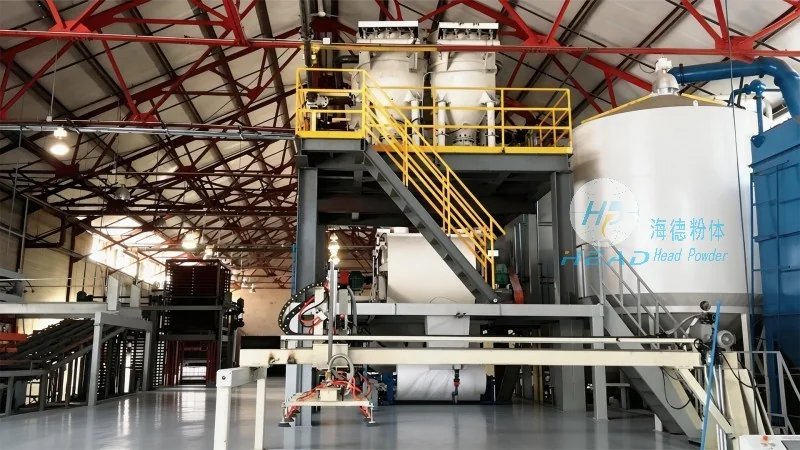
Overview of Pneumatic Conveying Systems for Positive Electrode Materials
Pneumatic conveying systems are critical components in the production and processing of positive electrode materials, which are essential for the performance and longevity of lithium-ion batteries. These systems utilize air or other gases to transport powders and granules, offering advantages such as dust-free operation, reduced contamination, and the ability to handle materials in a closed environment. For positive electrode materials, which often include active ingredients like lithium cobalt oxide (LCO), lithium nickel manganese cobalt oxide (NMC), or lithium iron phosphate (LFP), the design of the conveying system must address specific challenges, including material sensitivity to moisture, temperature control, and the prevention of agglomeration.
Key Equipment Components and Their Functions
The core components of a pneumatic conveying system for positive electrode materials typically include a material hopper, a feeding device, a conveying line, a separation or collection unit, and a control system. Each component plays a vital role in ensuring the smooth and efficient transport of the material from the source to the destination.
1. Material Hopper: The hopper is the initial storage vessel where the positive electrode material is held before being fed into the system. It is designed with a conical or rectangular shape to facilitate uniform material flow and prevent blockages. The hopper is often equipped with a lid to maintain a controlled environment, minimizing exposure to air and moisture, which is crucial for maintaining the material's quality.
2. Feeding Device: The feeding device, commonly a rotary valve or a screw feeder, regulates the flow of material from the hopper into the conveying line. This component ensures a consistent and controlled feed rate, preventing overloading or underfeeding that could lead to system inefficiencies or material degradation. For positive electrode materials, which can be prone to bridging or sticking, the feeding device is often designed with anti-sticking features and adjustable speed controls.
3. Conveying Line: The conveying line is the central part of the system where the material is transported. It consists of a pipe or tube through which air or gas is introduced to create a flow that carries the material particles. The choice of material for the conveying line is critical; it must be resistant to corrosion and wear, as many positive electrode materials may contain abrasive components. Stainless steel or specialized polymers are commonly used to ensure durability and prevent contamination.
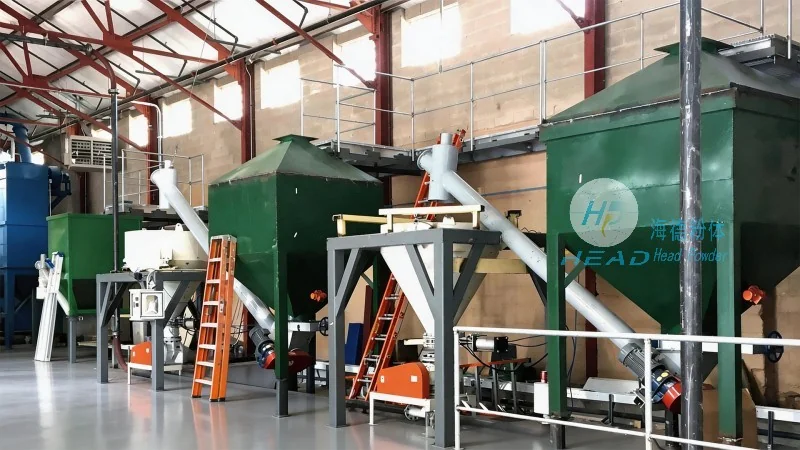
4. Separation or Collection Unit: At the end of the conveying line, the material is separated from the conveying air and collected in a designated container. This unit may include a cyclone separator or a filter to remove fine particles and ensure that the material is recovered efficiently. For positive electrode materials, the collection unit is designed to maintain the material's purity and prevent loss of valuable components.
5. Control System: The control system monitors and regulates the operation of the entire pneumatic conveying system. It includes sensors to measure pressure, flow rate, and material level, as well as a control panel to adjust settings and respond to changes in the process. This system ensures that the conveying operation is optimized for efficiency and safety, with features such as automatic shutdown in case of abnormal conditions.
Structural Principles and Operational Mechanisms
The structural principles of pneumatic conveying systems for positive electrode materials are based on the physics of fluidization and particle transport. The system operates by creating a pressure differential between the inlet and outlet of the conveying line. Air is introduced at a high velocity, creating a "slurry" of material and air that moves through the pipe. The key to efficient conveying is maintaining a balance between the air velocity and the material's properties, such as particle size, density, and moisture content.
Two primary types of pneumatic conveying systems are commonly used for positive electrode materials: dilute-phase and dense-phase systems. Dilute-phase systems operate at higher air velocities, with the material suspended in the air stream, while dense-phase systems use lower air velocities, with the material moving in a more compact form. The choice between these systems depends on the specific requirements of the application, including the distance to be conveyed, the material's characteristics, and the desired flow rate.
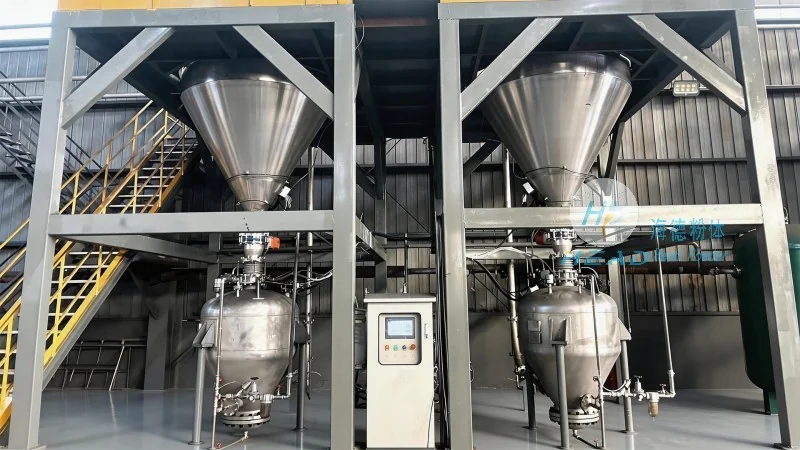
In dilute-phase systems, the material is carried as individual particles, allowing for higher throughput and longer conveying distances. However, this method may require larger air volumes and more robust filtration to prevent material loss. Dense-phase systems, on the other hand, are more suitable for short distances or when the material is sensitive to high velocities, as they provide a more gentle transport method. Both systems rely on the same fundamental principles but differ in the operating parameters and equipment design.
Technical Considerations for Efficient Operation
Ensuring the efficient and reliable operation of a pneumatic conveying system for positive electrode materials involves several technical considerations. First, the material's properties must be thoroughly understood, as they directly impact the system's design and performance. Factors such as particle size distribution, moisture content, and chemical composition affect the air velocity required for conveying and the risk of agglomeration or caking.
Second, the system must be designed to maintain a controlled environment, as positive electrode materials are often hygroscopic and can degrade when exposed to moisture or air. The use of sealed hoppers, moisture-proof seals, and dry air or nitrogen as the conveying medium helps to preserve the material's quality. Additionally, temperature control is important, as some materials may require specific temperature ranges to prevent degradation or changes in their physical properties.
Third, regular maintenance and monitoring are essential to prevent system failures and ensure long-term performance. This includes checking for wear and tear on components, cleaning filters and separation units, and verifying the operation of the control system. Proper maintenance not only extends the lifespan of the equipment but also ensures consistent material quality and process efficiency.
Conclusion
HeadPowder's pneumatic conveying systems for positive electrode materials represent a sophisticated solution to the challenges of material handling in lithium-ion battery production. By integrating advanced equipment design, structural principles, and operational controls, these systems provide reliable, efficient, and safe transport of critical materials. With a focus on maintaining material quality and optimizing process performance, HeadPowder's solutions contribute to the overall efficiency and sustainability of battery manufacturing operations.




