HeadPowder, a leading enterprise in the field of dry mix mortar technology, specializes in the design, manufacturing, and supply of advanced pneumatic conveying systems tailored for the efficient transportation of dry mix mortar materials. This article provides an overview of the key equipment components and the underlying structural principles that enable the seamless operation of such systems, ensuring optimal performance in construction and industrial applications.
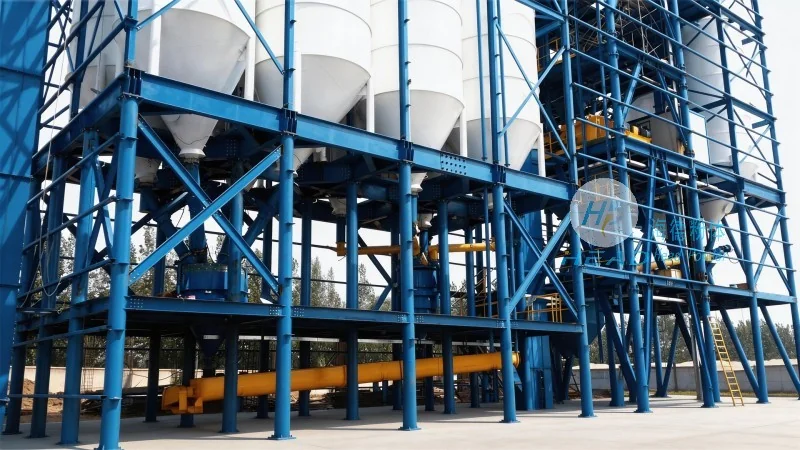
Overview of Dry Mix Mortar Pneumatic Conveying Systems
Dry mix mortar pneumatic conveying systems are engineered to transport bulk dry materials, such as cement, sand, and additives, from storage silos or production lines to mixing plants or construction sites without the need for mechanical components like belts or buckets. The core of these systems lies in the integration of several specialized equipment pieces that work in concert to maintain a consistent flow of material under controlled pressure and airflow conditions. HeadPowder's expertise in this domain ensures that each component is meticulously designed to meet the specific demands of dry mix mortar production, offering reliability and efficiency in material handling processes.
Key Equipment Components and Their Functions
The pneumatic conveying system for dry mix mortar typically comprises several critical components, each playing a vital role in the overall operation. The primary equipment includes a hopper or silo for material storage, a feeder to regulate the flow of dry mix into the system, a blower or air compressor to generate the necessary airflow, a pipeline network to transport the material, and a receiver or discharge unit to deliver the material to its final destination. Each component is carefully selected and configured to ensure minimal material degradation, consistent flow rates, and energy efficiency.
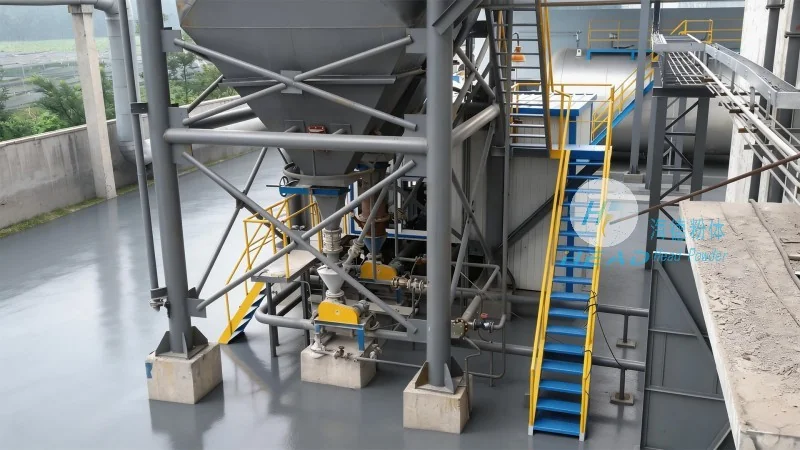
Structural Principles of Pneumatic Conveying
The fundamental principle behind pneumatic conveying is the use of air to suspend and transport dry materials through a pipeline. This process relies on the balance between the air velocity and the material's particle size and density. In a positive pressure system, the blower forces air into the pipeline, carrying the dry mix material along with it. The air velocity must be sufficient to keep the particles suspended and prevent them from settling or clogging the system. Conversely, in a negative pressure (or vacuum) system, the material is drawn into the pipeline by the vacuum created by the fan. HeadPowder's systems are designed to optimize this balance, ensuring that the air flow is precisely matched to the material characteristics to achieve efficient and reliable transport.
The Role of HeadPowder Engineering in System Design
Shandong HeadPowder Engineering Co., Ltd., based in Shandong, China, leverages decades of industry experience to develop customized pneumatic conveying solutions for dry mix mortar applications. The company's engineers work closely with clients to understand their specific operational requirements, including material types, production volumes, and site constraints, to design systems that maximize efficiency and minimize downtime. By integrating advanced control systems and monitoring technologies, HeadPowder's solutions provide real-time data on system performance, enabling proactive maintenance and operational adjustments.
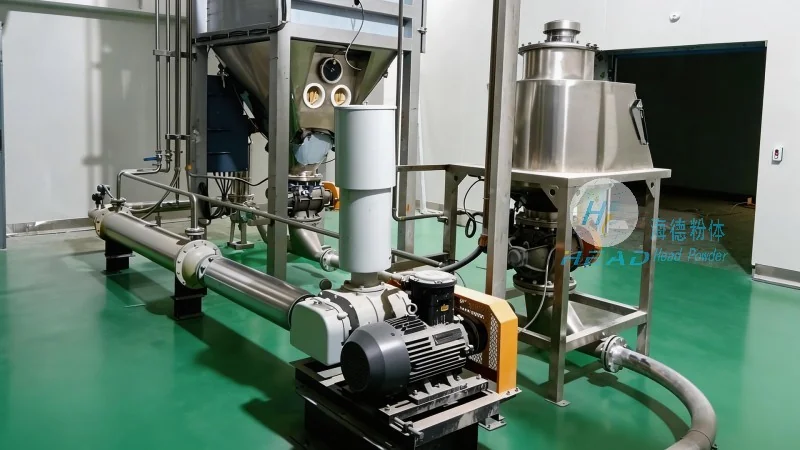
Advantages of Pneumatic Conveying Systems
Compared to traditional mechanical conveying methods, pneumatic conveying systems offer several advantages for dry mix mortar applications. These include reduced material handling time, lower labor costs, and improved material quality due to minimized exposure to moisture and contamination. The systems are also highly flexible, allowing for easy integration with existing production lines and the ability to transport materials over long distances without the need for intermediate storage or transfer points. Additionally, the absence of moving parts in the pipeline reduces maintenance requirements and extends the service life of the equipment.
Conclusion
HeadPowder's dry mix mortar pneumatic conveying systems represent a sophisticated solution for the efficient and reliable transportation of bulk dry materials in construction and industrial settings. By combining advanced equipment design with a deep understanding of pneumatic conveying principles, the company ensures that its systems deliver optimal performance, durability, and cost-effectiveness. With a commitment to innovation and customer satisfaction, Shandong HeadPowder Engineering Co., Ltd. continues to be a trusted partner for businesses seeking to enhance their material handling processes through state-of-the-art pneumatic conveying technology.




