

Working Principle and Features of High-Pressure Dense-Phase Material Handling Systems Equipment
High-pressure dense-phase material handling systems represent a sophisticated approach to transporting bulk materials efficiently and reliably. These systems are engineered to handle a wide range of powders, granules, and other particulate materials, offering solutions for industries such as pharmaceuticals, chemicals, food processing, and mining. The technology behind these systems is designed to minimize material degradation, reduce dust emissions, and enhance overall process safety and efficiency.
Working Principle of High-Pressure Dense-Phase Material Handling Systems
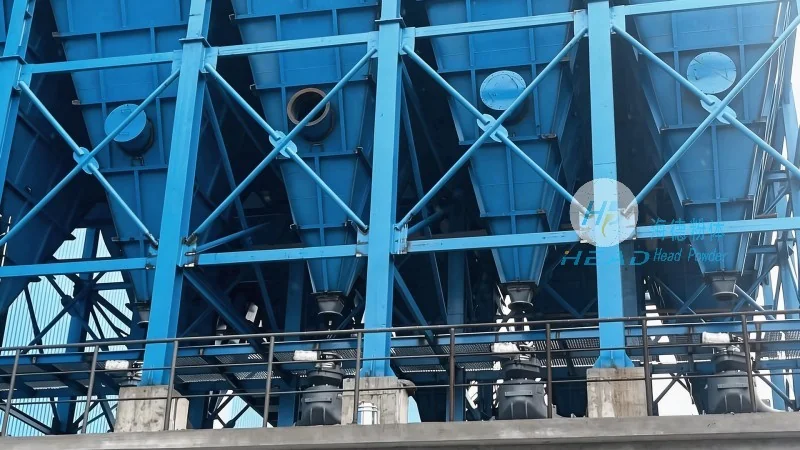
The working principle of high-pressure dense-phase material handling systems involves the use of compressed air or other gases to create a high-pressure environment within a pipeline. The material is introduced into the system in a dense, slurry-like state, where it is transported under pressure. As the material moves through the pipeline, it experiences a series of pressure drops and expansions, which help to maintain the material's integrity and prevent clogging. The system typically includes components such as a positive displacement pump, a pressure regulator, and a control valve to manage the flow and pressure of the material. The high-pressure environment ensures that the material remains in a compacted state, reducing the risk of segregation and ensuring consistent flow rates.
Key Features of High-Pressure Dense-Phase Material Handling Systems
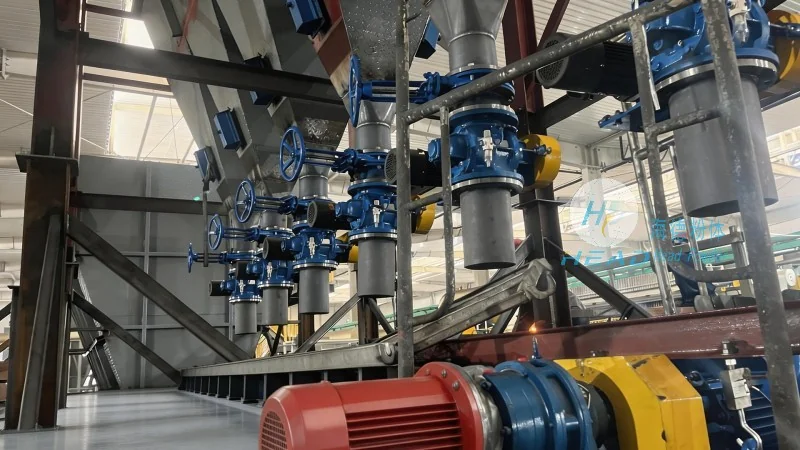
Key features of high-pressure dense-phase material handling systems include their ability to handle abrasive and corrosive materials without causing damage to the equipment. The systems are also designed to be compact and space-efficient, making them suitable for installation in confined spaces. Another important feature is the low dust generation, which is achieved by maintaining the material in a dense phase and minimizing the exposure of particles to the air. Additionally, these systems offer precise control over the flow rate and pressure, allowing for accurate dosing and process control. The use of positive displacement pumps ensures a consistent flow, even under varying load conditions, and the system's robust design provides long-term reliability and low maintenance requirements.
Technical Advantages and Applications
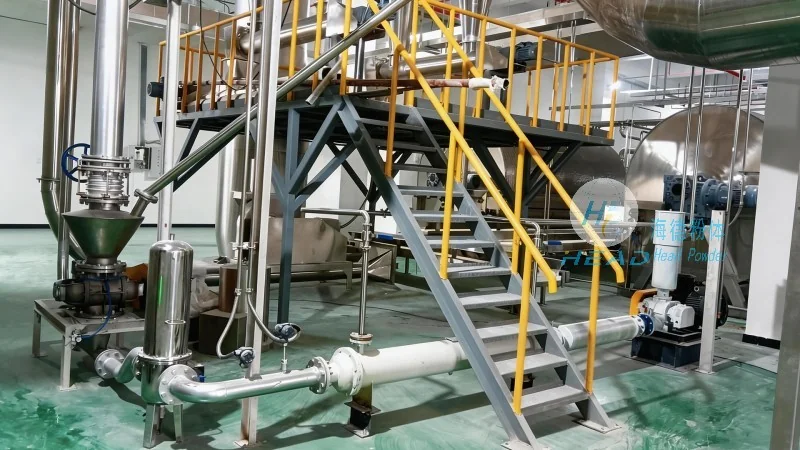
Technical advantages of high-pressure dense-phase material handling systems include improved material handling efficiency, reduced energy consumption, and enhanced process safety. The systems are capable of transporting materials over long distances with minimal pressure loss, making them ideal for applications where traditional pneumatic conveying systems may be insufficient. The technology is particularly effective for handling fine powders and granules, which are prone to segregation and dusting in conventional systems. Applications of these systems include the transportation of pharmaceutical powders, chemical reagents, food ingredients, and mining ores. The systems are also used in industries where product purity and contamination control are critical, such as in the production of pharmaceuticals and food products.
Conclusion
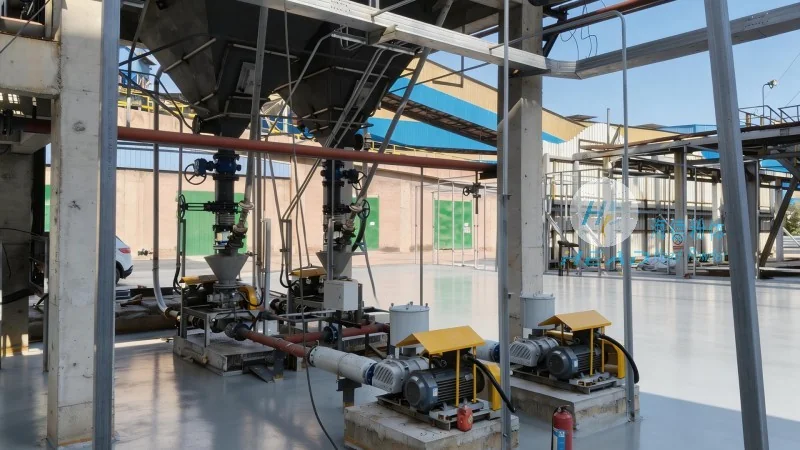
In conclusion, high-pressure dense-phase material handling systems are a reliable and efficient solution for transporting bulk materials in various industrial applications. The technology offers several advantages over traditional conveying methods, including reduced material degradation, lower dust emissions, and improved process control. With their robust design and long-term reliability, these systems are a preferred choice for industries that require high-quality material handling solutions. Shandong HeadPowder Engineering Co., Ltd. specializes in the design, manufacturing, and installation of high-pressure dense-phase material handling systems, providing customized solutions to meet the specific needs of their clients. The company's commitment to quality and innovation ensures that their systems are at the forefront of material handling technology, delivering superior performance and reliability to their customers.