

How to Design a Reasonable Powdered Milk Pneumatic Conveying System Plan?
When it comes to the efficient and reliable transportation of powdered milk, a well-designed pneumatic conveying system is essential. This guide from Shandong HeadPowder Engineering Co., Ltd. (headpowder) outlines the key factors and considerations for creating a system that meets the specific needs of your operation, ensuring optimal performance and minimal product degradation.
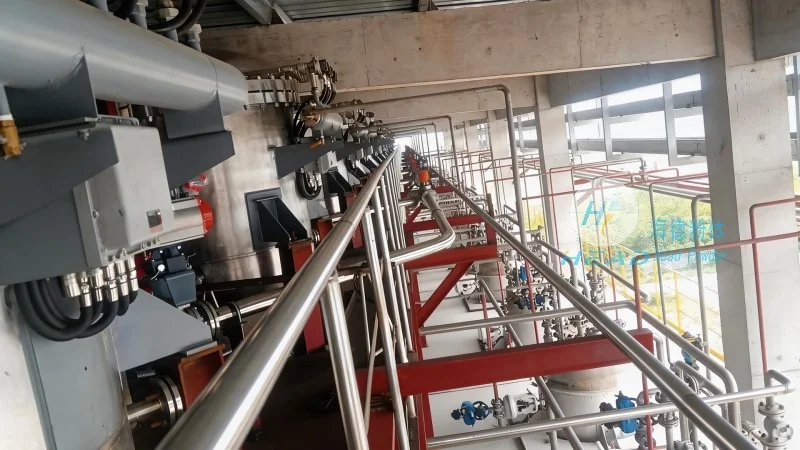
Understanding the Basics of Pneumatic Conveying for Powdered Milk
Pneumatic conveying systems use air or gas to transport bulk materials like powdered milk through a network of pipes. The choice between positive pressure, negative pressure, or a combination of both depends on factors such as material characteristics, distance, and system complexity. For powdered milk, which is often sensitive to moisture and temperature, selecting the right system type is critical to maintain product quality and prevent caking or agglomeration.
Key Design Considerations for a Reliable System
Designing a pneumatic conveying system for powdered milk requires careful attention to several key aspects. First, the system must be capable of handling the specific flow rates and pressure requirements of the material. This involves selecting appropriate air compressors, filters, and control valves that can maintain consistent pressure and airflow. Additionally, the material's particle size, density, and moisture content will influence the choice of conveying velocity and pipe diameter to prevent blockages and ensure smooth operation.
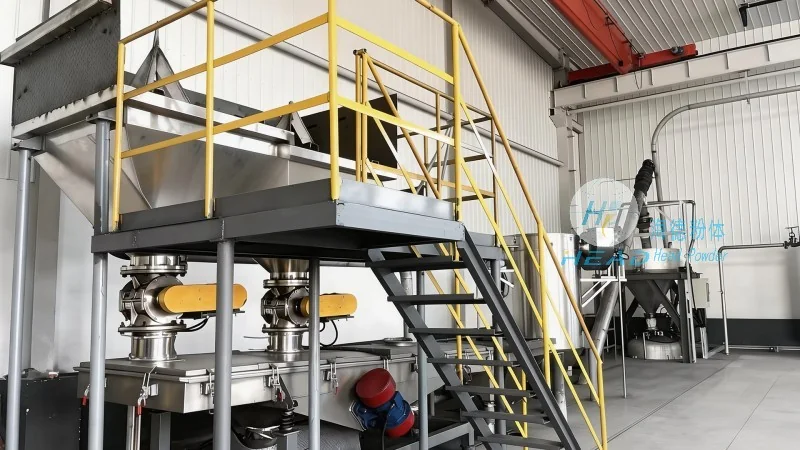
System Components and Equipment Selection
Shandong HeadPowder Engineering Co., Ltd. specializes in providing comprehensive solutions for pneumatic conveying systems. Our expertise includes the selection of high-quality components such as rotary air locks, cyclone separators, and dust collectors that are essential for efficient material handling and air filtration. The company's team of engineers works closely with clients to design systems that integrate seamlessly with existing production lines, ensuring minimal disruption and maximum efficiency.
Addressing Common Challenges in Powdered Milk Conveying
One of the primary challenges in conveying powdered milk is the risk of product degradation due to friction, temperature changes, or exposure to air. To mitigate these issues, the system design must incorporate features such as temperature-controlled air, low-friction pipe materials, and proper sealing to prevent contamination. Additionally, the system should include monitoring and control systems that allow for real-time adjustments to maintain optimal operating conditions, reducing downtime and improving overall productivity.
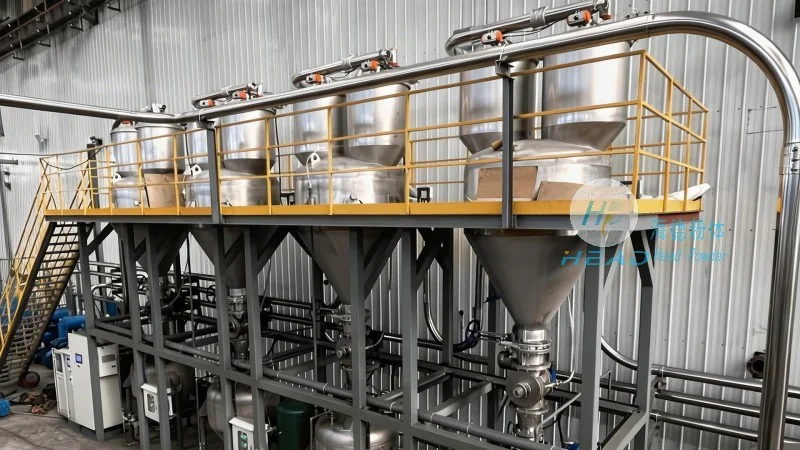
Customization and Scalability for Diverse Applications
Every production facility has unique requirements, and a one-size-fits-all approach to pneumatic conveying is often insufficient. Shandong HeadPowder Engineering Co., Ltd. offers customized solutions tailored to the specific needs of each client. Whether the system needs to handle small batches or large-scale production, our engineers can design a system that scales with your business, ensuring long-term reliability and cost-effectiveness. The company's commitment to quality and innovation ensures that clients receive systems that not only meet current needs but are also adaptable to future growth and technological advancements.
Conclusion: Partnering with HeadPowder for Optimal Pneumatic Conveying Solutions
Designing a pneumatic conveying system for powdered milk is a complex task that requires expertise in both material handling and engineering. By leveraging the experience and resources of Shandong HeadPowder Engineering Co., Ltd., businesses can ensure that their system is not only efficient and reliable but also designed to protect the quality of their product. With a focus on customization, quality, and customer satisfaction, headpowder is the ideal partner for companies seeking to optimize their powdered milk handling processes.