When it comes to transporting fine powders efficiently and reliably, the design of a pneumatic conveying system is critical. A well-engineered system not only ensures the safe and effective movement of materials but also minimizes operational costs and maintenance requirements. This article will explore the key considerations and steps involved in designing a reasonable fine powder pneumatic conveying system plan, with a focus on the expertise and solutions provided by Shandong HeadPowder Engineering Co., Ltd., a leading company in the field.
Understanding the Core Principles of Fine Powder Pneumatic Conveying
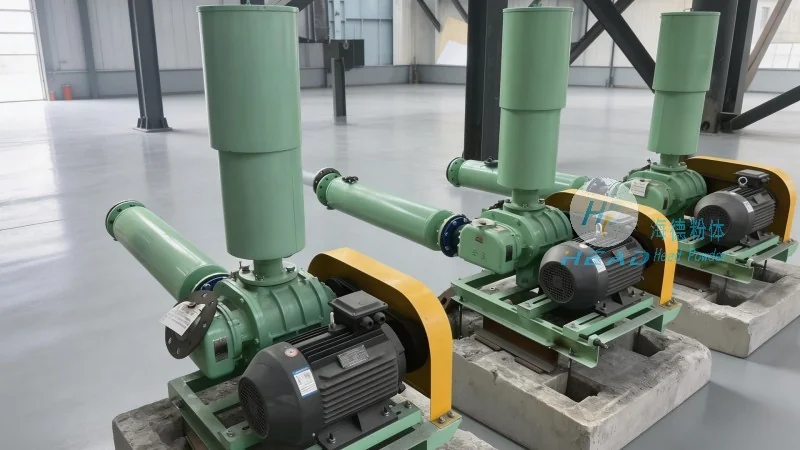
Fine powder pneumatic conveying systems rely on the principle of using air or other gases to transport particulate materials through a pipeline. The effectiveness of such systems depends on several key factors, including the particle size, density, and flow characteristics of the material, as well as the desired conveying distance and throughput. A thorough understanding of these parameters is essential for selecting the appropriate conveying method—whether it's a pressure or vacuum system—and determining the necessary equipment specifications.
Key Design Considerations for Fine Powder Pneumatic Conveying Systems
Designing a successful fine powder pneumatic conveying system requires a systematic approach that addresses both the technical and operational aspects of the process. The following are some of the most critical considerations:
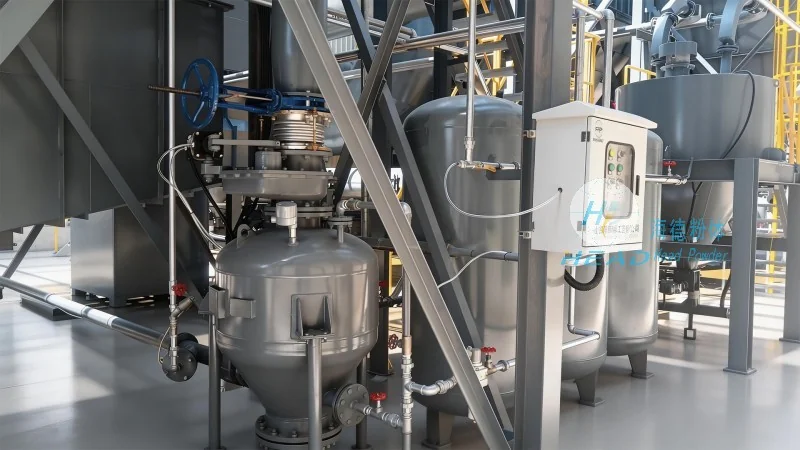
1. **Material Properties Analysis**: The first step in designing any pneumatic conveying system is to thoroughly analyze the properties of the fine powder being transported. This includes determining the particle size distribution, bulk density, moisture content, and flowability of the material. These characteristics directly impact the selection of the conveying method, as different materials may require different air velocities and system pressures to ensure smooth and efficient transport.
2. **Conveying Method Selection**: Based on the material properties and the required conveying distance, the appropriate method must be chosen. Common methods include pressure systems (where air is supplied under pressure at the inlet) and vacuum systems (where air is drawn from the outlet under negative pressure). The choice between these methods depends on factors such as the distance to be covered, the need for dust collection, and the overall system complexity.
3. **System Sizing and Capacity Calculation**: Accurate sizing of the conveying system is crucial to ensure it meets the required throughput and conveying distance. This involves calculating the necessary air volume and pressure, as well as determining the appropriate pipe diameter and length. Proper sizing prevents issues such as excessive pressure drops, which can lead to material deposition or system inefficiencies.
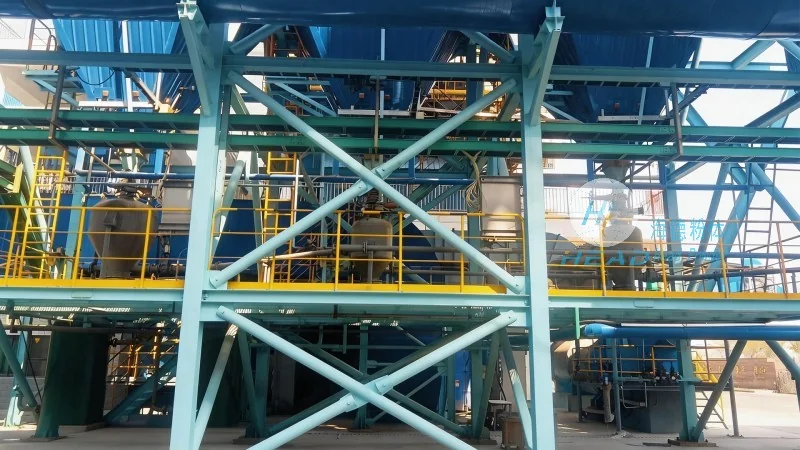
4. **Equipment Selection**: The selection of components like blowers, filters, cyclones, and control valves is vital. The type of blower (e.g., rotary lobe, centrifugal) and its capacity must match the system's requirements. Filters are essential for maintaining air quality and preventing dust from entering the system, while cyclones help separate the powder from the air stream, ensuring efficient material recovery.
5. **Dust Control and Safety Measures**: Fine powders can pose health and safety risks, as well as environmental concerns. Therefore, implementing effective dust control measures is a critical design consideration. This may include the use of dust collectors, proper ventilation systems, and adherence to safety regulations to protect both personnel and the environment.
Role of Shandong HeadPowder Engineering Co., Ltd. in System Design
Shandong HeadPowder Engineering Co., Ltd., operating under the brand name headpowder, is a reputable company specializing in the design, manufacturing, and installation of fine powder pneumatic conveying systems. With years of experience in the industry, the company has developed a deep understanding of the unique challenges associated with fine powder handling and has developed innovative solutions to address them.
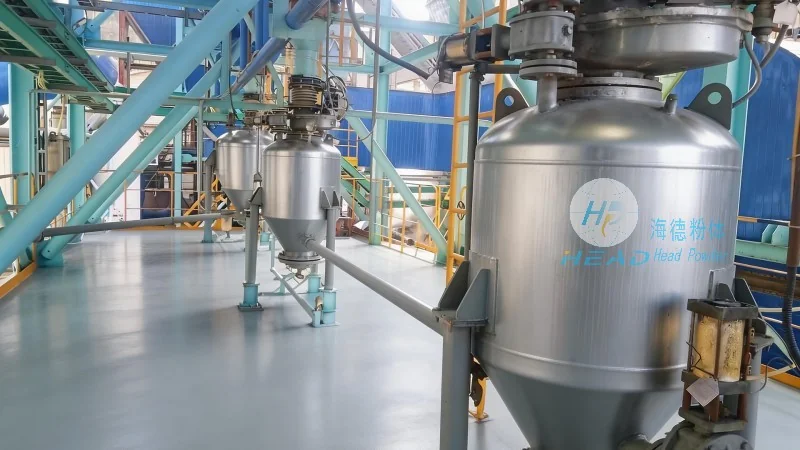
The company's approach to system design is comprehensive and customer-focused. They work closely with clients to understand their specific needs, from material characteristics to operational requirements, and then develop tailored solutions that optimize performance and cost-effectiveness. By leveraging advanced engineering principles and state-of-the-art technology, headpowder ensures that each system is designed to meet the highest standards of efficiency, reliability, and safety.
Conclusion: Designing a Reliable Fine Powder Pneumatic Conveying System
Designing a reasonable fine powder pneumatic conveying system is a complex process that requires careful consideration of material properties, system requirements, and operational constraints. By following a systematic approach and leveraging the expertise of experienced companies like Shandong HeadPowder Engineering Co., Ltd., businesses can achieve efficient and reliable material transport, minimizing downtime and operational costs. The key to success lies in thorough planning, accurate sizing, and the selection of appropriate equipment, all of which contribute to a well-functioning pneumatic conveying system that meets the demands of modern industrial applications.




