

What is Water-in-Powder Pneumatic Conveying? An Introduction to the Working Principle of Powder Hand
Welcome to Shandong HeadPowder Engineering Co., Ltd., a leading provider of advanced powder handling solutions. In this article, we will explore the concept of water-in-powder pneumatic conveying and delve into the fundamental working principles of such systems. This technology is widely used in various industries to efficiently transport powders and bulk materials over long distances with minimal maintenance and operational complexity.
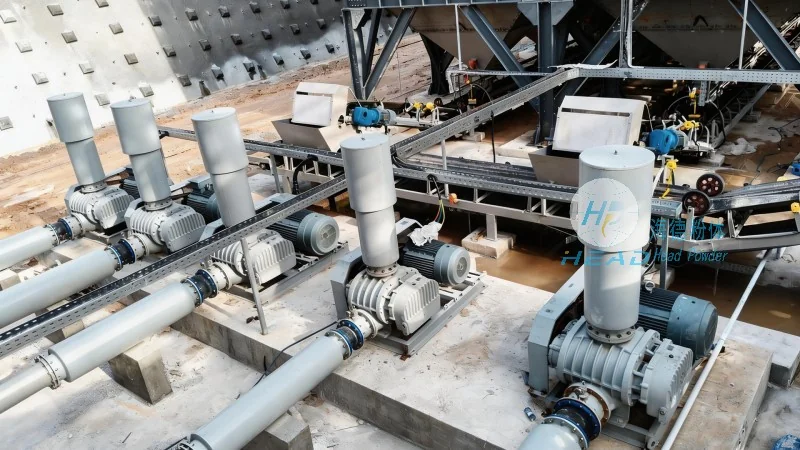
Understanding Water-in-Powder Pneumatic Conveying
Water-in-powder pneumatic conveying, also known as wet or slurry pneumatic conveying, is a method of transporting dry powders by combining them with water to form a slurry. This approach is particularly effective for materials that are difficult to convey using traditional dry pneumatic systems, such as fine powders, dusty materials, or those prone to caking. The process involves injecting water into the powder stream at the loading point, creating a homogeneous mixture that can be easily transported through pipelines under pressure. The water acts as a carrier, ensuring that the powder particles are fully suspended and preventing blockages or agglomeration during transit.
Key Components of a Water-in-Powder Conveying System
A typical water-in-powder pneumatic conveying system consists of several critical components that work in tandem to ensure efficient operation. These components include a hopper or feeder for material storage and controlled discharge, a water injection system to blend the powder with water, a pump or compressor to generate the necessary pressure for conveying, and a pipeline network that transports the slurry to the destination point. Additionally, the system may incorporate filters, cyclones, or separation units to recover the water and return it to the system for reuse, enhancing sustainability and reducing operational costs.
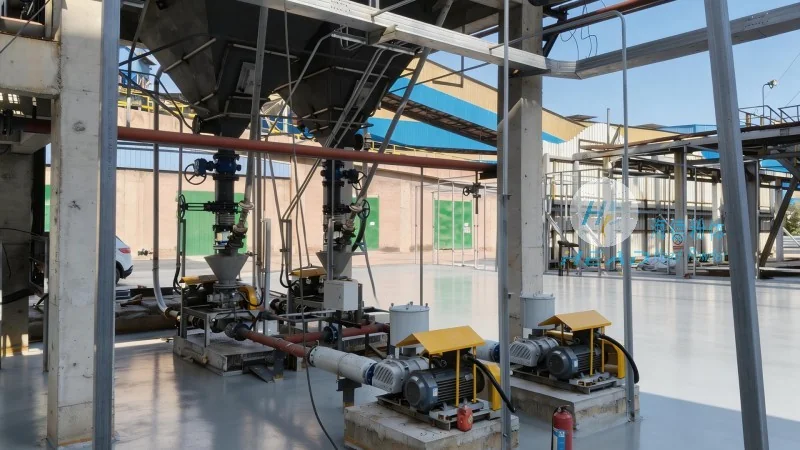
The Working Principle: From Loading to Delivery
The operation of a water-in-powder conveying system begins at the loading point, where dry powder is fed into a hopper. Simultaneously, water is introduced into the system, either directly into the hopper or through a dedicated injection line. The powder and water are then mixed to form a slurry, which is then drawn into the conveying pipeline by a positive displacement pump or a pressure-driven compressor. As the slurry moves through the pipeline, it experiences a consistent pressure gradient that propels it toward the destination, such as a storage silo, processing unit, or discharge point. At the receiving end, the slurry is typically separated through a cyclone or filter, where the powder is collected and the water is reclaimed for reuse. This closed-loop system minimizes waste and ensures efficient material handling.
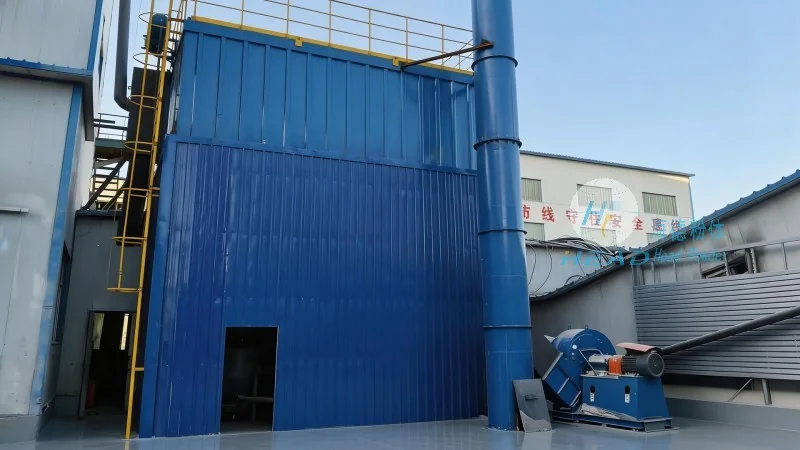
Advantages of Water-in-Powder Pneumatic Conveying
Compared to traditional dry pneumatic conveying, water-in-powder systems offer several advantages that make them ideal for challenging powder handling applications. First, the water acts as a lubricant, reducing friction and wear on the pipeline and equipment, which extends the system's lifespan and lowers maintenance costs. Second, the slurry formation prevents dust emissions, making the process more environmentally friendly and safer for operators. Third, the system can handle a wider range of powder types, including fine, cohesive, or abrasive materials that are difficult to transport dry. Finally, the closed-loop water recovery system enhances sustainability by reducing water consumption and minimizing environmental impact.
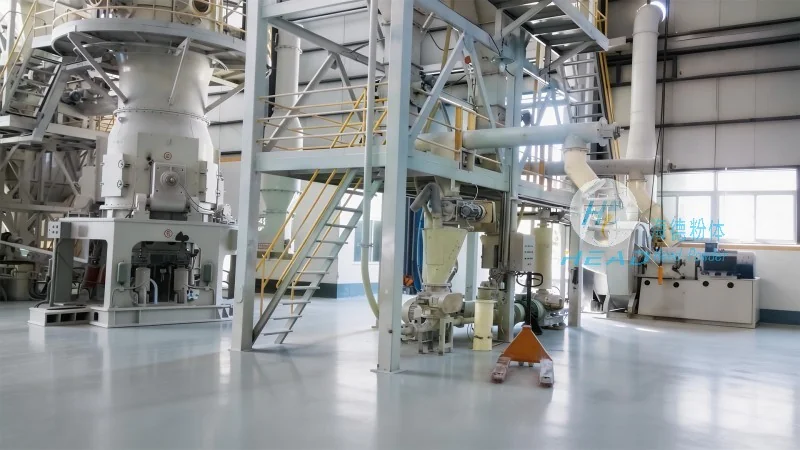
Applications in Industrial Settings
Water-in-powder pneumatic conveying is widely utilized across various industries, including pharmaceuticals, food processing, chemical manufacturing, and mining. In the pharmaceutical industry, it is used to transport sensitive powders, such as active pharmaceutical ingredients (APIs), while maintaining strict contamination control. In food processing, it is employed to handle powders like flour, sugar, or spices, ensuring product quality and hygiene. In chemical manufacturing, it facilitates the transport of abrasive or corrosive powders, protecting equipment and reducing downtime. In mining operations, it is used to convey ore or tailings, improving material handling efficiency and reducing labor costs.
Conclusion and Company Overview
Water-in-powder pneumatic conveying represents a sophisticated and efficient solution for the transportation of powders and bulk materials. By integrating water into the conveying process, this technology addresses the challenges associated with dry pneumatic systems, offering enhanced performance, reduced emissions, and improved sustainability. Shandong HeadPowder Engineering Co., Ltd. specializes in designing and manufacturing customized water-in-powder conveying systems tailored to the specific needs of our clients. With our expertise and commitment to quality, we provide reliable and durable solutions that meet the highest industry standards. Whether you are in the pharmaceutical, food, chemical, or mining sector, our systems are designed to optimize your material handling processes and enhance overall operational efficiency.