

Design Considerations for the Pneumatic Conveying System of Aluminum Dross
When designing a pneumatic conveying system for aluminum dross, several critical factors must be considered to ensure efficient and reliable operation. Aluminum dross, a byproduct of aluminum smelting processes, poses unique challenges due to its abrasive nature and varying particle sizes. A well-designed system not only enhances material handling efficiency but also minimizes equipment wear and operational costs.
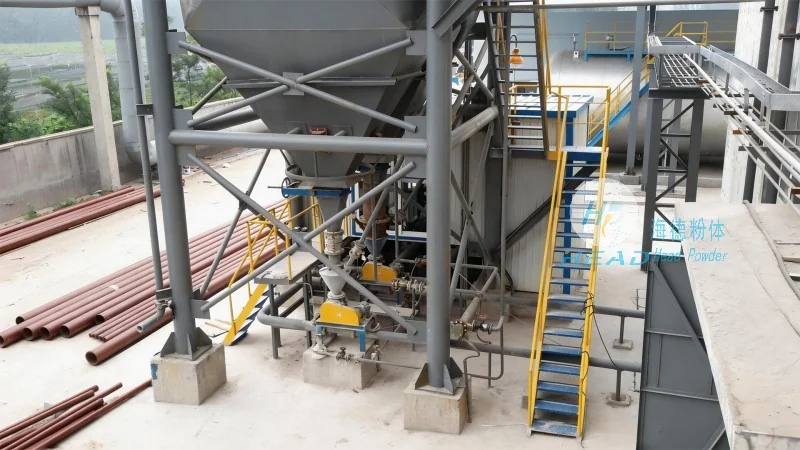
Key Design Considerations for Aluminum Dross Pneumatic Conveying
One of the primary considerations is the material's physical properties. Aluminum dross typically consists of a mixture of metal particles, oxides, and other impurities. Its abrasive characteristics demand high-quality, corrosion-resistant components, such as stainless steel or specialized alloys, to prevent premature wear and system failure. The particle size distribution is another critical factor; finer particles may require higher air velocities to maintain flow, while larger chunks necessitate adjustments to the conveying line's diameter and pressure.
System Sizing and Pressure Requirements
The capacity and distance of the conveying line directly influence the system's pressure requirements. For short-distance applications, low-pressure systems (e.g., suction or pressure types) may suffice. However, for longer distances or vertical lifts, higher-pressure systems are often required to overcome friction losses and maintain material velocity. Proper sizing of the air compressor, ductwork, and cyclone separators is essential to balance energy consumption with conveying efficiency. Shandong HeadPowder Engineering Co., Ltd., a leading provider in this field, emphasizes the importance of matching system components to the specific characteristics of aluminum dross to optimize performance.
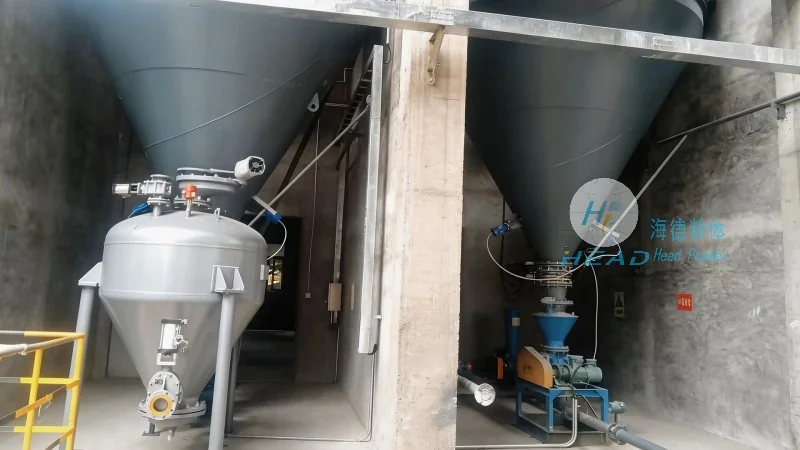
Equipment Selection and Material Handling
Choosing the right equipment for aluminum dross handling is crucial. Conveying lines are commonly made from stainless steel or high-density polyethylene to withstand the abrasive nature of the material. The selection of air classifiers, cyclones, and dust collectors is vital to ensure effective separation of dross from air and to maintain air quality. Additionally, the system must incorporate features to prevent blockages, such as pulse jets or rotary valves, which are particularly important for handling cohesive or sticky dross particles. The company's expertise in material flow analysis helps in designing systems that minimize downtime and maximize throughput.
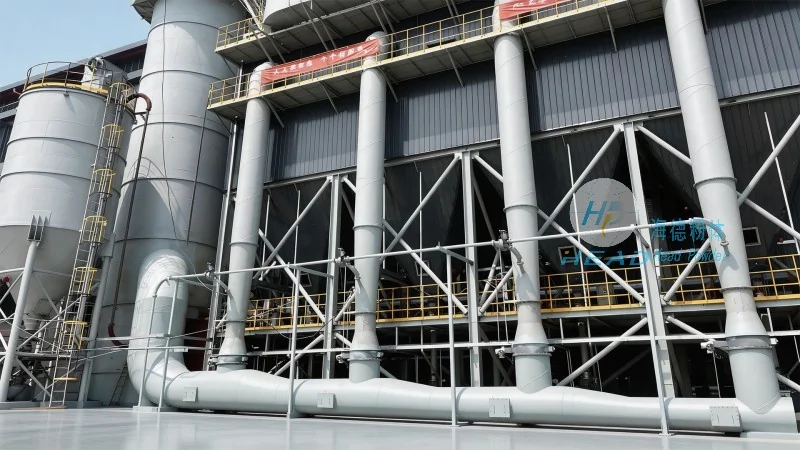
Integration with Existing Facilities
When integrating a new pneumatic conveying system into an existing aluminum processing facility, compatibility with current infrastructure is a key consideration. This includes matching the system's pressure and flow rates with existing equipment, such as storage silos or processing units. Proper alignment of the conveying line with existing structures ensures smooth material transfer and reduces the risk of operational disruptions. Shandong HeadPowder Engineering Co., Ltd. offers comprehensive engineering services to assess existing facilities and design a system that seamlessly integrates with current operations, minimizing the need for extensive modifications.
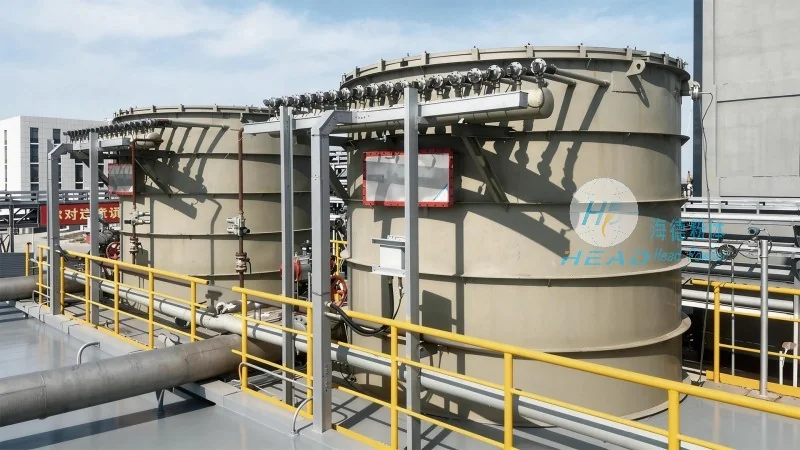
Maintenance and Long-Term Reliability
Long-term reliability of the pneumatic conveying system depends on regular maintenance and proper operational practices. Components such as air filters, cyclones, and ductwork require periodic cleaning and inspection to prevent clogging and maintain efficiency. The use of high-quality, durable materials and components from reputable manufacturers, like those supplied by Shandong HeadPowder Engineering Co., Ltd., is essential for extending the system's lifespan and reducing maintenance costs. The company's commitment to quality and customer support ensures that clients receive reliable systems that meet their operational needs over the long term.
Conclusion
In conclusion, designing a pneumatic conveying system for aluminum dross requires a thorough understanding of the material's properties, system requirements, and operational constraints. By addressing key factors such as material handling, system sizing, equipment selection, and integration with existing facilities, engineers can develop efficient and reliable systems. Shandong HeadPowder Engineering Co., Ltd., with its expertise and commitment to quality, provides comprehensive solutions tailored to the unique challenges of aluminum dross processing, ensuring optimal performance and minimal operational costs.