For industries dealing with bulk powders, efficient and reliable material transport is crucial. Foam pneumatic conveying stands out as a sophisticated method that combines air and foam to move powders over long distances or through complex pathways. This technology offers advantages such as low pressure requirements, reduced product degradation, and the ability to handle a wide range of powder types. Understanding the working principle of foam pneumatic conveying is essential for selecting the right system for specific applications.
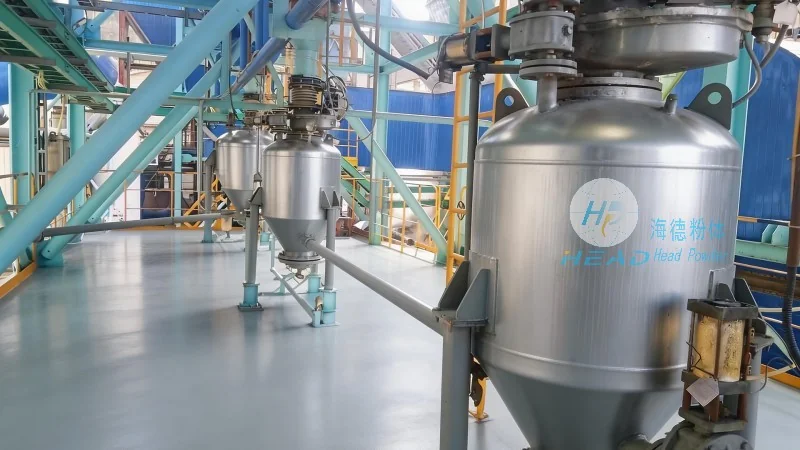
Company Introduction: HeadPowder Engineering
HeadPowder, or Shandong HeadPowder Engineering Co., Ltd., is a leading provider of powder handling solutions. With a focus on innovation and customer-centric design, the company specializes in developing and manufacturing advanced pneumatic conveying systems. HeadPowder's expertise lies in creating customized solutions tailored to the unique needs of various industries, ensuring optimal performance and efficiency in powder transport operations. The company's headquarters is located in Shandong, China, where it leverages local resources and expertise to deliver high-quality products and services.
The Core Working Principle of Foam Pneumatic Conveying
At its essence, foam pneumatic conveying involves the use of air and a liquid (usually water or a specialized foam solution) to create a stable foam that transports powders. The process begins with the generation of foam, which is then mixed with the powder material. The foam acts as a carrier, lifting and transporting the powder particles through a pipeline. This method differs from traditional pneumatic conveying, which relies solely on air pressure to move materials. The foam provides additional stability and reduces the risk of product agglomeration or degradation during transport.
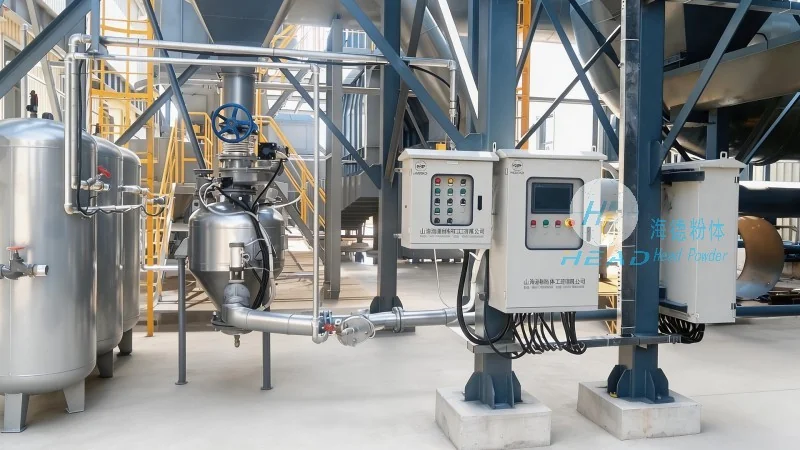
Key Components and Their Functions
The effectiveness of a foam pneumatic conveying system depends on several key components working in harmony. These include the foam generator, which produces the foam; the powder feeder, which introduces the material into the system; the conveying line, which transports the foam-powder mixture; and the separator, which separates the powder from the foam at the destination. Each component plays a critical role in ensuring the system operates efficiently and reliably. The foam generator, for instance, controls the foam's density and stability, which directly impacts the conveying capacity and distance. The powder feeder ensures a consistent flow of material, preventing blockages and maintaining system performance. The conveying line must be properly designed to handle the foam-powder mixture without causing excessive pressure drops or material degradation. Finally, the separator efficiently separates the powder from the foam, allowing for easy collection and reuse of the foam solution.
Advantages of Foam Pneumatic Conveying
Compared to other powder transport methods, foam pneumatic conveying offers several distinct advantages. One of the most significant benefits is its ability to handle fine and cohesive powders without causing product degradation. The foam acts as a cushion, reducing friction and impact on the particles, which helps maintain the powder's quality and properties. Another advantage is the lower pressure requirements, making it suitable for applications where high-pressure systems are not feasible or cost-effective. This also reduces energy consumption and operational costs. Additionally, foam pneumatic conveying can handle long distances and complex layouts, such as vertical lifts or multiple turns, without significant performance loss. The system is also relatively easy to clean and maintain, as the foam solution can be recycled and reused, minimizing waste and operational expenses.
Applications in Various Industries
Foam pneumatic conveying is widely used across multiple industries due to its versatility and effectiveness. In the pharmaceutical industry, it is used to transport sensitive powders, such as active pharmaceutical ingredients (APIs), without compromising their quality or stability. The low pressure and gentle handling ensure that the product remains intact and free from contamination. In the food industry, it is employed to transport powders like flour, sugar, and spices, maintaining their freshness and preventing cross-contamination. The system's ability to handle hygienic conditions is crucial for food processing applications. The chemical industry also benefits from foam pneumatic conveying, as it can handle abrasive and corrosive powders safely and efficiently. The technology is also used in the mining and minerals sector to transport ore and other bulk materials over long distances. In addition, it is applied in the agricultural sector for handling fertilizers and other agricultural powders, ensuring efficient distribution and minimal product loss.
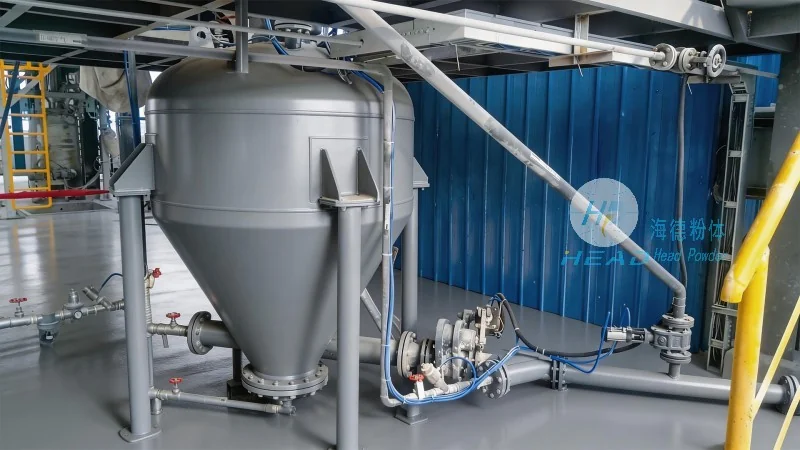
System Design and Customization
HeadPowder Engineering specializes in designing and manufacturing customized foam pneumatic conveying systems to meet the specific requirements of each client. The design process begins with a thorough analysis of the material properties, such as particle size, density, and flow characteristics. This information is used to determine the optimal foam density, pressure, and conveying speed. The system's layout, including the length and complexity of the conveying line, is also considered to ensure efficient operation. HeadPowder's engineers work closely with clients to understand their operational needs and constraints, such as space limitations or existing infrastructure. This collaborative approach ensures that the final system is tailored to the client's unique requirements, maximizing performance and minimizing costs. The company also provides ongoing support and maintenance services to ensure the system operates at peak efficiency throughout its lifespan.
Conclusion and Future Outlook
Foam pneumatic conveying represents a sophisticated and efficient solution for powder handling and transport. By combining air and foam, this technology offers advantages such as low pressure requirements, reduced product degradation, and the ability to handle a wide range of materials. HeadPowder Engineering, with its expertise and commitment to innovation, provides high-quality foam pneumatic conveying systems tailored to the needs of various industries. As industries continue to demand more efficient and reliable powder transport solutions, foam pneumatic conveying is likely to remain a key technology in the future. The continued advancements in foam generation and system design will further enhance its capabilities, making it an even more attractive option for bulk powder handling applications.




