Metallurgical coal powder is a critical raw material in various industrial processes, and its efficient handling through pneumatic conveying systems is essential for maintaining production efficiency and safety. The design of such systems requires careful consideration of multiple factors to ensure optimal performance, reliability, and cost-effectiveness. This article outlines the key design considerations for metallurgical coal powder pneumatic conveying systems, with a focus on practical applications and engineering best practices.
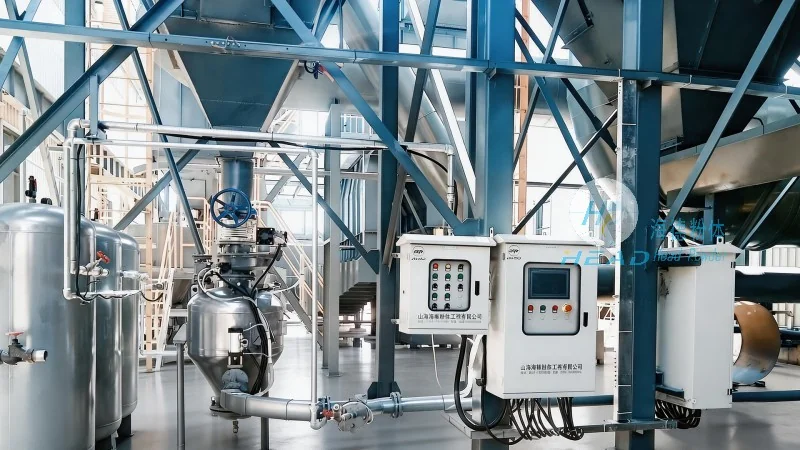
HeadPowder, a leading engineering firm based in Shandong, China, specializes in the design and implementation of advanced pneumatic conveying solutions tailored to the unique demands of the metallurgical industry. With years of experience in coal handling and material transport, HeadPowder's expertise ensures that each system is optimized for the specific characteristics of metallurgical coal powders, including their particle size distribution, moisture content, and abrasive properties.
Material Characteristics and Their Impact on System Design
The physical properties of metallurgical coal powders significantly influence the selection of pneumatic conveying equipment and system configuration. Coal powders typically exhibit a wide range of particle sizes, from fine dust to coarse particles, which affects the air velocity required for effective transport. Moisture content is another critical factor, as high moisture levels can lead to caking or blockages in the system. Abrasiveness of the coal is also a key consideration, as it can cause wear and tear on components like pipes, valves, and cyclones. HeadPowder engineers conduct thorough material analysis to determine the optimal conveying velocity, pressure, and equipment materials to mitigate these challenges and ensure long-term system reliability.
System Configuration and Components
A well-designed pneumatic conveying system for metallurgical coal powders consists of several key components, each playing a vital role in the overall operation. The system typically includes a hopper or feeder to store and meter the coal powder, a blower or compressor to generate the conveying air, a pipeline network to transport the material, and a separator or cyclone to separate the coal from the air at the discharge point. The choice of components, such as the type of blower (positive displacement or centrifugal), the material of construction for pipes and fittings, and the design of the hopper (e.g., conical or rectangular), all impact the system's performance and lifespan.
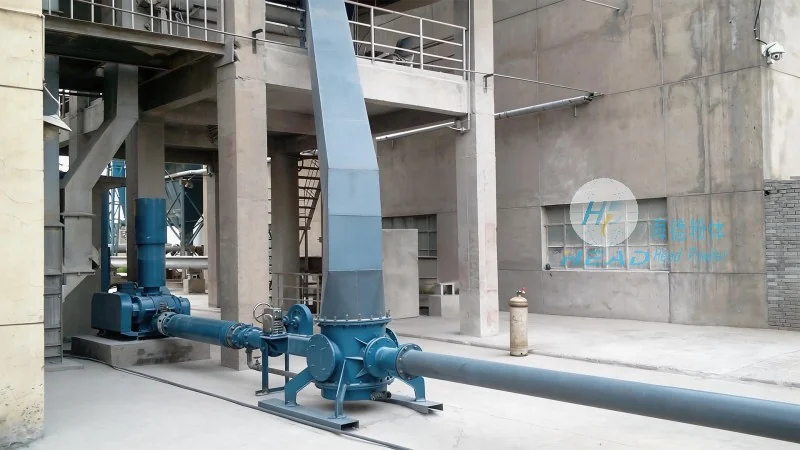
HeadPowder employs advanced computational fluid dynamics (CFD) and engineering simulations to model the behavior of coal powders in the system, allowing for precise optimization of component selection. For example, the company may recommend a positive displacement blower for high-pressure, low-volume applications where fine coal powders are involved, or a centrifugal blower for larger volumes and coarser materials. The pipeline diameter and length are carefully calculated to maintain the required air velocity, preventing particle deposition and ensuring smooth flow.
Pressure and Velocity Considerations
Pressure and velocity are fundamental parameters in pneumatic conveying systems, directly affecting the efficiency and energy consumption of the system. The conveying pressure is determined by the distance the material needs to travel and the height to which it must be elevated. For short-distance, low-elevation applications, low-pressure systems (e.g., 0.5-1 bar) may be sufficient. However, for longer distances or higher elevations, higher pressure systems (e.g., 2-5 bar) are required. The air velocity must be high enough to keep the coal particles suspended in the air stream but not so high as to cause excessive wear or energy waste.
HeadPowder's engineers use established formulas and industry standards to calculate the optimal pressure and velocity for each application. They consider factors such as the particle size, density, and flow rate to determine the minimum air velocity needed to prevent settling. For example, fine coal powders may require air velocities of 20-30 m/s, while coarser materials may need velocities of 15-20 m/s. The company also incorporates energy-saving measures, such as variable frequency drives (VFDs) for blowers, to adjust the air flow based on actual demand and reduce operational costs.
Material Handling and Safety Considerations
Ensuring the safe and efficient handling of metallurgical coal powders is paramount in industrial operations. Pneumatic conveying systems must be designed to prevent dust explosions, which can occur due to the accumulation of fine coal particles in the system. HeadPowder incorporates explosion-proof designs, including spark-proof motors, flame arrestors, and proper grounding, to mitigate these risks. Additionally, the system should be equipped with dust collection and filtration systems to minimize airborne particulate emissions and comply with environmental regulations.
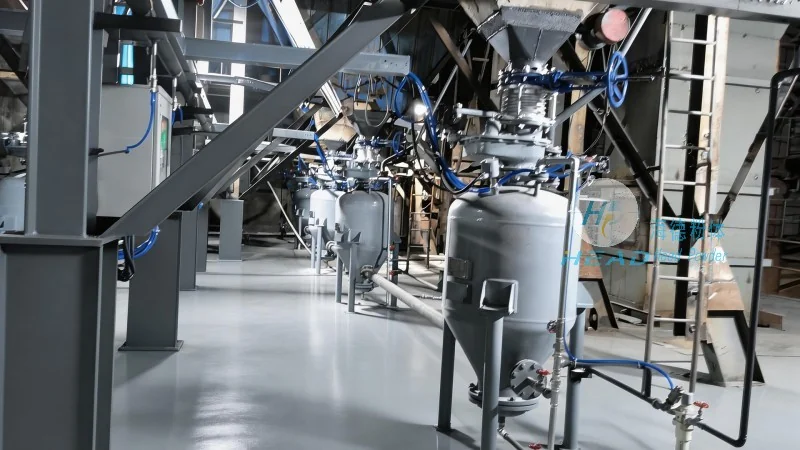
The design of the hopper and feeder is critical to prevent material bridging or caking, which can lead to blockages and system downtime. HeadPowder uses advanced hopper designs, such as conical hoppers with venturis or rotary feeders, to ensure consistent material flow and prevent agglomeration. The system also includes monitoring and control features, such as pressure sensors and flow meters, to detect abnormalities and trigger alarms or shutdown procedures in case of issues like blockages or excessive pressure.
Maintenance and Longevity
Proper maintenance is essential to extend the lifespan of a pneumatic conveying system and maintain its performance. HeadPowder provides comprehensive maintenance services, including regular inspections, component replacement, and system upgrades. The company recommends routine cleaning of the pipeline and separator to prevent buildup of coal residues, which can affect air flow and separator efficiency. Additionally, the use of wear-resistant materials, such as stainless steel or special alloys, for components exposed to abrasive coal powders can significantly reduce maintenance frequency and costs.
By following the design considerations outlined above and leveraging HeadPowder's expertise, metallurgical facilities can achieve efficient, reliable, and safe coal powder handling systems. The company's commitment to engineering excellence and customer satisfaction ensures that each system is tailored to meet the specific needs of the client, resulting in improved operational efficiency and reduced downtime.




