Shandong HeadPowder Engineering Co., Ltd., a prominent engineering firm based in China, specializes in the design and implementation of advanced pneumatic conveying systems tailored for sodium sulfate powder. With a strong commitment to quality and efficiency, the company has built a reputation for delivering reliable solutions that meet the diverse needs of industrial clients. This article delves into the essential design considerations that ensure the optimal performance, safety, and longevity of such systems, providing valuable insights for engineers and operators in the field.
Material Properties and Their Impact on System Design
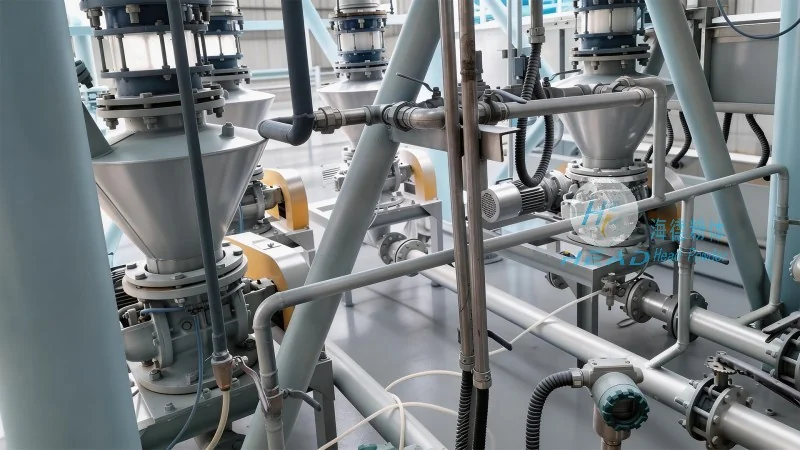
The performance of a pneumatic conveying system for sodium sulfate powder is heavily influenced by the material's intrinsic properties. Sodium sulfate, commonly known as Glauber's salt, is a white crystalline powder with specific characteristics that must be carefully considered during system design. Key properties include particle size distribution, bulk density, and hygroscopicity—properties that affect how the material behaves under airflow. For example, finer particles may require higher air velocities to prevent settling or blockages, while bulk density influences the system's capacity and energy requirements. Engineers at Shandong HeadPowder Engineering Co., Ltd. conduct detailed material testing to characterize these properties, ensuring the system is optimized for the specific sodium sulfate powder being handled. This thorough analysis helps avoid common issues such as excessive pressure drop, material degradation, or system inefficiencies.
System Configuration and Components Selection
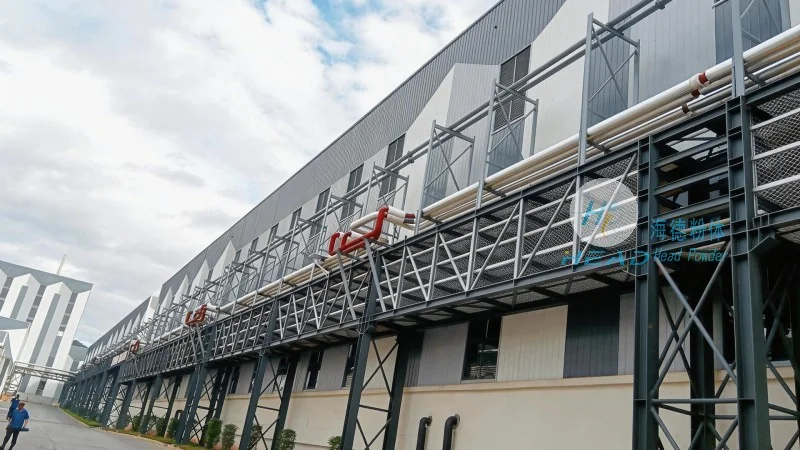
The configuration of a pneumatic conveying system for sodium sulfate powder typically involves either positive or negative pressure systems, each with distinct advantages and applications. Positive pressure systems, where air is blown through the material, are ideal for long-distance transport or high-capacity operations, as they can maintain consistent airflow and prevent material buildup. Negative pressure systems, which draw material into the system, are often preferred for shorter distances or where dust control is a primary concern, as they minimize the risk of dust emissions. The choice of system type depends on factors like the distance between the source and destination, the required capacity, and the environmental regulations in place. Key components include the hopper, which stores the sodium sulfate powder; the feeder, which controls the material flow into the system; the conveying line, which transports the material; and the receiver, which collects the material at the end of the line. The selection of these components is critical to the system's performance. For instance, the hopper and feeder must be designed to prevent material bridging or agglomeration, which can disrupt the flow. Shandong HeadPowder Engineering Co., Ltd. selects materials for these components, such as stainless steel or corrosion-resistant alloys, based on the material's chemical properties and operational conditions to ensure durability and prevent corrosion.
Air Velocity and Pressure Drop Management
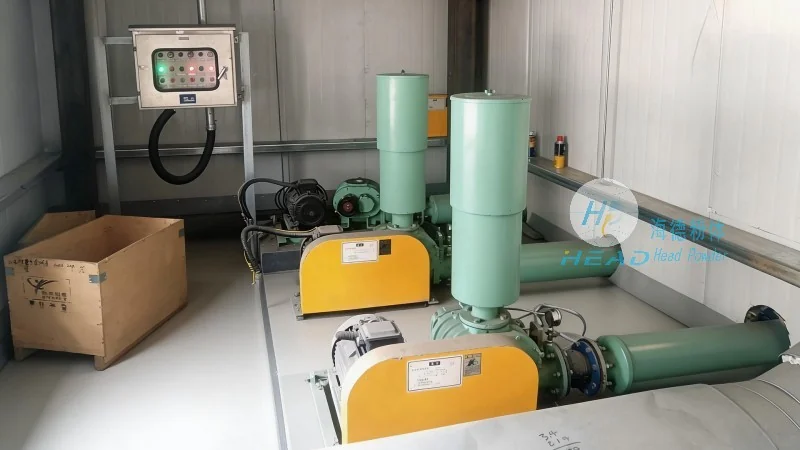
Optimizing air velocity is a critical design consideration to ensure efficient material transport while minimizing energy consumption. The air velocity must be high enough to overcome the drag forces on the particles but low enough to prevent excessive wear on system components and reduce dust generation. Pressure drop across the conveying line is another key factor, as it directly impacts the system's energy efficiency and the required power. Engineers at Shandong HeadPowder Engineering Co., Ltd. use computational fluid dynamics (CFD) simulations and empirical formulas to calculate the optimal air velocity and pressure drop for a given sodium sulfate powder application. This approach ensures the system operates within safe and efficient parameters, balancing material transport efficiency with energy costs. For example, a higher air velocity may increase the risk of wear on the conveying line and generate more dust, while a lower velocity may lead to material settling or blockages. By carefully calibrating these parameters, the system can achieve optimal performance, reducing operational costs and extending the lifespan of components.




