

How to Prevent Pipeline Blockages in Pneumatic Conveying Systems for Wheat Bran Transport? Key Desig
Wheat bran, a byproduct of wheat milling, is widely utilized in animal feed, food processing, and other industrial applications. The efficient and reliable transport of wheat bran using pneumatic conveying systems is crucial for maintaining production continuity and minimizing downtime. However, one of the major challenges in pneumatic conveying is the risk of pipeline blockages, which can lead to system failures and costly repairs. This article explores effective strategies to prevent blockages in pneumatic conveying systems when transporting wheat bran and highlights the critical design parameters that must be considered during system design.
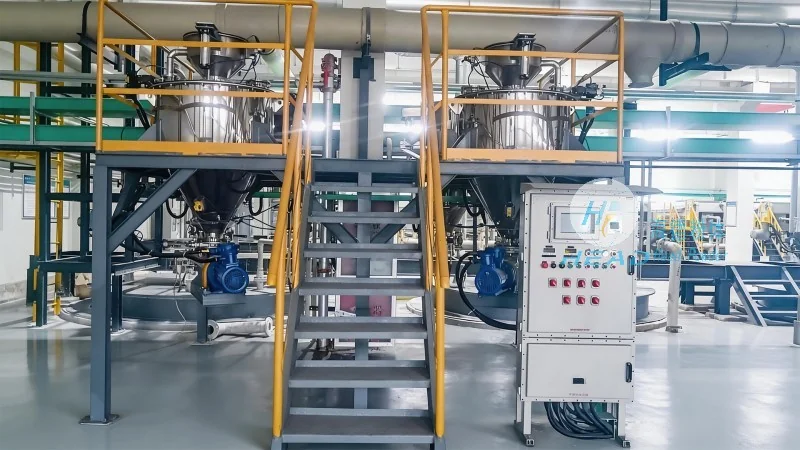
Understanding the Risks of Blockages in Wheat Bran Pneumatic Conveying
Wheat bran is a fine, powdery material with a high moisture content and a tendency to agglomerate. These characteristics make it prone to forming clumps or bridging inside the conveying pipeline, especially when the system operates under low pressure or when the flow rate is insufficient. Blockages can occur at bends, elbows, or other components where the material flow is restricted, leading to pressure buildup and system shutdown. Preventing such blockages is essential to ensure smooth operation and maximize the lifespan of the conveying equipment.
Key Design Parameters for Preventing Blockages in Pneumatic Conveying Systems
Several key design parameters play a vital role in preventing blockages during wheat bran transport. The first and most critical parameter is the system pressure. Higher pressure increases the velocity of the conveying air, which helps to keep the material in suspension and prevents it from settling or agglomerating. For wheat bran, a typical operating pressure ranges from 0.5 to 1.5 bar, depending on the system length and material characteristics. Maintaining consistent pressure is also essential to avoid fluctuations that could lead to blockages.
The second important parameter is the pipe diameter. The diameter of the conveying pipe should be appropriately sized to match the material flow rate and the air velocity. A larger diameter reduces the air velocity and increases the risk of blockage, while a smaller diameter may cause excessive pressure drop and limit the system's capacity. For wheat bran, a pipe diameter of 100 mm to 200 mm is commonly used, depending on the required throughput. The pipe material, such as stainless steel or PVC, should also be chosen to prevent corrosion and material adhesion.
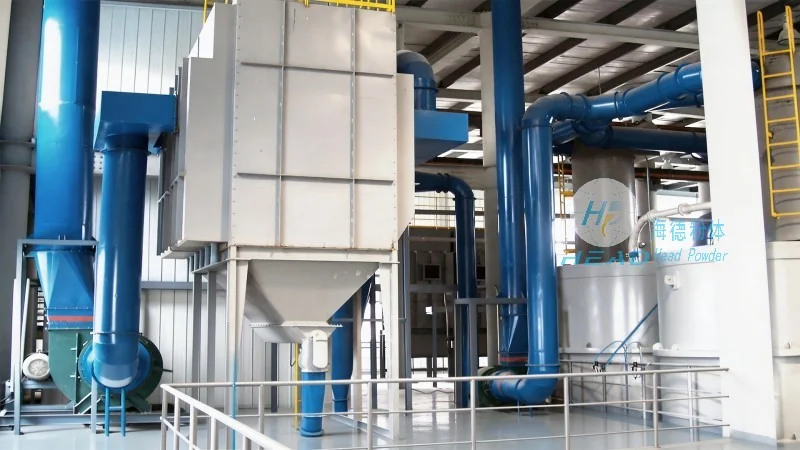
The third critical parameter is the gas-solid ratio (GSR), which is the ratio of the volume of air to the volume of material being conveyed. An optimal GSR ensures that the material is fully suspended and transported efficiently. For wheat bran, a GSR of 5 to 10 is often recommended, as it provides sufficient air to keep the material in motion without wasting energy. Adjusting the GSR based on the material's density and flow properties is essential to prevent blockages and maintain system efficiency.
Another important design consideration is the use of special components to minimize friction and material buildup. For example, using smooth-walled pipes and avoiding sharp bends or elbows can reduce the risk of material accumulation. Additionally, incorporating air knives or vibrators at strategic points can help break up agglomerates and maintain a consistent flow. The design of the hopper and feed system is also crucial, as a well-designed hopper ensures a uniform material feed, preventing surges that could lead to blockages.
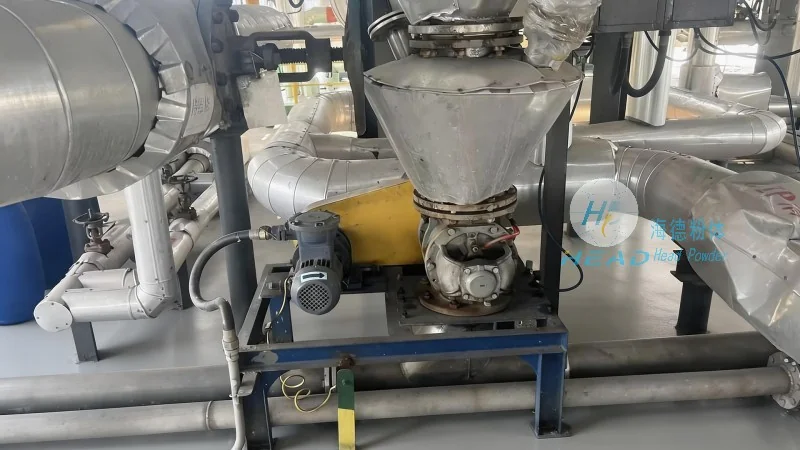
The Role of HeadPowder Engineering in Designing Reliable Pneumatic Conveying Systems
Shandong HeadPowder Engineering Co., Ltd., a leading manufacturer of pneumatic conveying systems, specializes in providing customized solutions for wheat bran and other fine materials. With years of experience in the industry, HeadPowder understands the unique challenges of transporting wheat bran and has developed advanced systems that incorporate the key design parameters mentioned above. The company's engineers work closely with clients to assess their specific requirements, including material characteristics, system length, and desired throughput, to design a system that minimizes the risk of blockages and ensures reliable operation.
HeadPowder's systems are equipped with advanced control systems that monitor pressure, flow rate, and other parameters in real-time. These systems can detect early signs of blockage and trigger automatic adjustments to prevent system shutdown. The company also provides comprehensive maintenance and support services to ensure that the conveying systems operate at peak efficiency and longevity. By focusing on the critical design parameters and leveraging their expertise, HeadPowder helps clients achieve seamless wheat bran transport and maximize their production output.
Conclusion: Ensuring Efficient and Reliable Wheat Bran Transport
Preventing pipeline blockages in pneumatic conveying systems for wheat bran transport requires careful consideration of several key design parameters, including system pressure, pipe diameter, gas-solid ratio, and component selection. By optimizing these parameters and working with experienced manufacturers like Shandong HeadPowder Engineering Co., Ltd., industries can ensure efficient, reliable, and cost-effective transport of wheat bran. The combination of proper system design and regular maintenance is essential to minimize downtime and maximize the overall performance of the conveying system.