

How to Prevent Pipeline Blockages in Bulk Material Handling with Pneumatic Conveying Systems? Key De
For industries dealing with bulk material handling, especially when transporting aggregates like sand, gravel, or crushed stone, the efficiency and reliability of pneumatic conveying systems are paramount. A common challenge in such operations is the risk of pipeline blockages, which can lead to system downtime, increased maintenance costs, and reduced productivity. Understanding how to prevent these blockages and the critical design parameters involved is essential for optimizing the performance of pneumatic conveying systems.
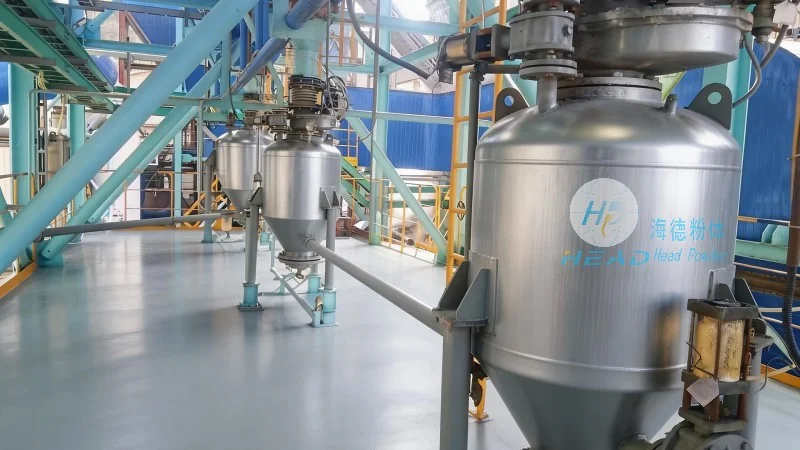
Preventing Pipeline Blockages in Pneumatic Conveying Systems for Aggregate Handling
Preventing pipeline blockages in pneumatic conveying systems for aggregate handling requires a comprehensive approach that addresses both operational and design aspects. Blockages can occur due to several factors, including material properties, system design, and operational conditions. By implementing appropriate measures, such as proper material preparation, selecting the right system configuration, and adhering to key design parameters, operators can significantly reduce the likelihood of blockages and ensure smooth material flow.
Key Design Parameters for Effective Pneumatic Conveying
Several key design parameters play a crucial role in preventing pipeline blockages in pneumatic conveying systems. These parameters are tailored to the specific characteristics of the material being transported and the operational requirements of the system. The following are some of the most important design considerations:
1. Material Properties and Preparation
The physical and chemical properties of the aggregate material are fundamental to the design of an effective pneumatic conveying system. Materials with high moisture content, cohesive properties, or abrasive characteristics are more prone to causing blockages. Proper material preparation, such as drying, screening, and conditioning, can improve material flowability and reduce the risk of blockages. For example, aggregates with high moisture content may need to be dried to a specific moisture level to prevent clumping and clogging the pipeline.
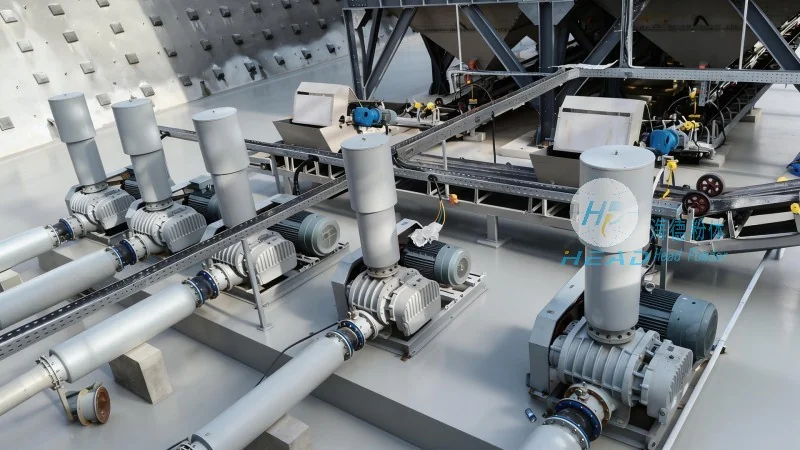
2. System Configuration and Layout
The configuration and layout of the pneumatic conveying system are critical factors in preventing blockages. The system design should consider the distance, elevation changes, and the number of bends or fittings in the pipeline. A well-designed system with appropriate pipe diameters, smooth bends, and minimal fittings can reduce friction and pressure losses, thereby minimizing the risk of material settling and blockages. Additionally, the placement of in-line devices like filters, cyclones, and rotary valves should be optimized to prevent material accumulation and ensure continuous flow.
3. Airflow Rate and Pressure
The airflow rate and pressure within the pneumatic conveying system are directly related to the material's conveying velocity and the risk of blockages. The airflow rate must be sufficient to maintain the material in suspension and prevent it from settling on the pipeline walls. However, excessive airflow can lead to increased energy consumption and potential wear on system components. The optimal airflow rate is determined based on the material's bulk density, particle size distribution, and the system's layout. Proper pressure control, using pressure regulators and surge tanks, can also help maintain consistent airflow and prevent pressure surges that may cause blockages.
4. Pipe Sizing and Material
The size and material of the conveying pipe are essential design parameters that affect the system's performance and the risk of blockages. Larger pipe diameters reduce friction losses and the risk of material settling, but they also increase the system's cost and space requirements. Smoother pipe surfaces, such as those made of stainless steel or PVC, can minimize material adhesion and reduce the likelihood of blockages compared to rough or corroded pipes. The choice of pipe material should also consider the material's chemical compatibility to prevent corrosion or degradation over time.
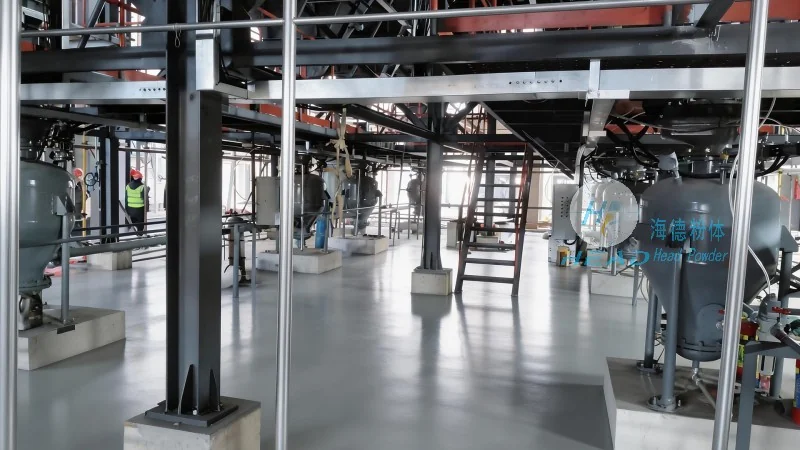
5. In-line Equipment and Maintenance
In-line equipment, such as filters, cyclones, and rotary valves, is integral to the pneumatic conveying system and plays a significant role in preventing blockages. Filters are used to remove dust and fine particles from the air stream, preventing them from accumulating in the pipeline and causing blockages. Cyclones separate the material from the air, allowing for efficient material recovery and preventing clogging of downstream equipment. Rotary valves, used to control the flow of material into the system, should be properly sized and maintained to prevent material buildup and ensure smooth operation. Regular maintenance of these components is crucial to prevent blockages and ensure the system's longevity.
6. Control Systems and Monitoring
Advanced control systems and monitoring technologies can enhance the performance of pneumatic conveying systems and help prevent blockages. Real-time monitoring of pressure, airflow, and material flow rates allows operators to detect potential issues early and take corrective action before blockages occur. Automated control systems can adjust airflow and pressure based on real-time conditions, optimizing the system's operation and reducing the risk of blockages. Additionally, predictive maintenance programs can help identify and address potential issues before they lead to system failures or blockages.
Conclusion
Preventing pipeline blockages in pneumatic conveying systems for aggregate handling is a multifaceted task that requires careful consideration of material properties, system design, and operational parameters. By implementing proper material preparation, optimizing system configuration, and adhering to key design parameters such as airflow rate, pipe sizing, and in-line equipment, operators can significantly reduce the risk of blockages and ensure the efficient and reliable operation of their pneumatic conveying systems. The expertise of companies like Shandong HeadPowder Engineering Co., Ltd. in designing and implementing such systems can provide valuable insights and solutions to address the challenges of bulk material handling and prevent pipeline blockages.