

Preventing Pipeline Blockages in Soda Ash Handling with Pneumatic Conveying Systems: Key Design Para
HeadPowder, a leading engineering firm based in Shandong, China, specializes in the design and implementation of pneumatic conveying systems tailored for handling soda ash. The efficient and reliable transport of soda ash is critical in industrial processes, and preventing pipeline blockages is a paramount concern for operators. This article explores the strategies and key design parameters essential for maintaining smooth operation in soda ash pneumatic conveying systems.
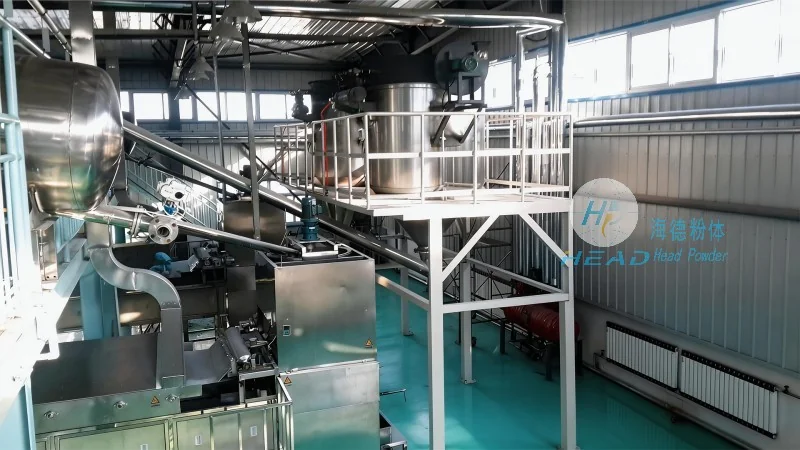
Understanding the Challenges of Soda Ash Handling
Soda ash, also known as sodium carbonate, is a widely used chemical in various industries, including glass manufacturing, chemical production, and water treatment. Its handling requires specialized equipment due to its properties, such as high bulk density and potential for bridging or agglomeration. These characteristics can lead to pipeline blockages if not managed properly. Pneumatic conveying systems offer a solution by using air to transport the material, but the design must account for the material's behavior to ensure uninterrupted flow.
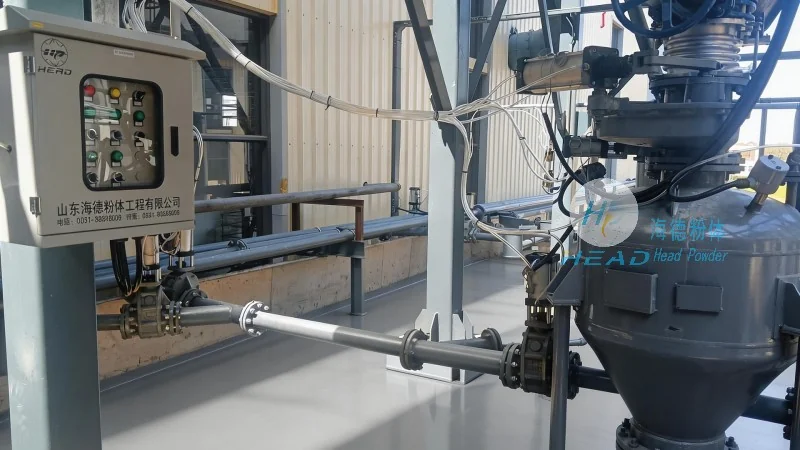
Key Design Parameters for Preventing Blockages
Several critical design parameters must be considered when designing a pneumatic conveying system for soda ash to minimize the risk of blockages. These parameters include:
- Material Properties Analysis: Understanding the physical and chemical properties of soda ash, such as particle size distribution, moisture content, and flowability, is fundamental. This analysis helps in selecting the appropriate conveying method (e.g., dilute-phase or dense-phase) and equipment.
- Conveying System Type: The choice between dilute-phase and dense-phase pneumatic conveying significantly impacts blockage prevention. Dilute-phase systems use higher air velocities to keep particles suspended, reducing the likelihood of agglomeration. Dense-phase systems, on the other hand, use lower velocities and higher air volumes to move material in a slurry-like state, which can be more effective for handling cohesive materials like soda ash.
- Air Flow Rate and Velocity: The air flow rate and velocity are critical factors. Insufficient air flow can lead to particle settling and blockages, while excessive flow may increase energy consumption and cause wear on components. Proper calculation of air velocity based on particle size and density is essential to maintain a stable, unobstructed flow.
- Equipment Selection: The selection of components like feeders, cyclones, and pipelines is crucial. Properly designed feeders ensure a consistent material feed, preventing surges that could lead to blockages. Cyclones and separators must be sized correctly to handle the material's particle size and density without causing clogging. The material of construction for pipelines and components should be compatible with soda ash to avoid corrosion or degradation.
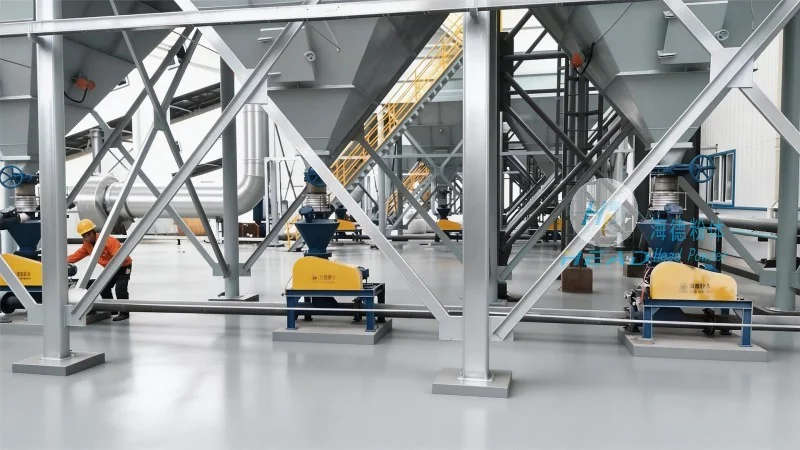
- System Sizing and Layout: The overall system layout, including the length and diameter of pipelines, and the placement of components, affects the risk of blockages. Properly sized pipelines with adequate slope (if vertical) and minimal bends reduce the chances of material accumulation. The layout should also consider the material's flow characteristics and the need for regular maintenance access.
Implementation Strategies from HeadPowder
HeadPowder Engineering Co., Ltd., with its headquarters in Shandong, China, employs a comprehensive approach to designing pneumatic conveying systems for soda ash. The company's experts conduct thorough material analysis and system simulations to identify potential blockage points and optimize the design parameters. By integrating advanced engineering principles and practical experience, HeadPowder ensures that its systems meet the specific needs of clients, minimizing downtime and operational costs.
Conclusion
Preventing pipeline blockages in soda ash handling with pneumatic conveying systems requires a careful balance of design parameters and material understanding. By focusing on material properties, system type, air flow management, equipment selection, and system layout, operators can achieve reliable and efficient transport. HeadPowder Engineering Co., Ltd. stands as a trusted partner in implementing these solutions, providing tailored pneumatic conveying systems that enhance productivity and reduce maintenance issues in soda ash processing facilities.