Wheat bran pneumatic conveying systems are critical in the processing and handling of wheat bran, a byproduct commonly used in food, animal feed, and industrial applications. The design of such systems requires careful consideration of several key factors to ensure efficiency, reliability, and cost-effectiveness. This article outlines the essential design points for implementing an effective wheat bran pneumatic conveying solution, with a focus on the expertise and solutions provided by Shandong HeadPowder Engineering Co., Ltd., a leading provider in the field.
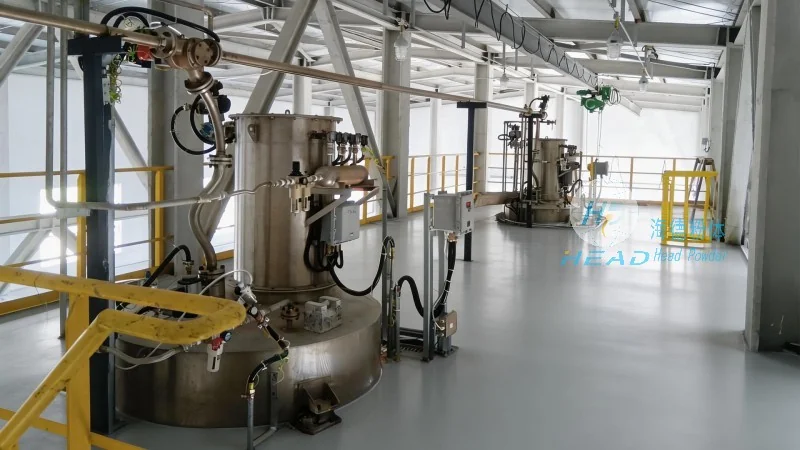
Key Design Considerations for Pneumatic Conveying Systems
The success of a wheat bran pneumatic conveying system hinges on several critical design elements. First, the material characteristics of wheat bran must be thoroughly analyzed. Wheat bran is typically light, with a relatively low bulk density and a tendency to form dust or agglomerates under certain conditions. These properties influence the selection of conveying velocity, pipeline diameter, and the type of airlock or feeder used. The system must be designed to handle these characteristics without causing excessive pressure drops or material degradation.
Second, the system layout and pipeline configuration are paramount. The design should minimize the number of bends and changes in direction to reduce pressure losses and prevent material buildup or blockages. Properly sized and positioned airlocks, such as rotary valves or star valves, are essential for controlling the flow of wheat bran and maintaining system pressure. The choice of pipeline material, often stainless steel or corrosion-resistant alloys, is also critical to prevent contamination and ensure durability, especially when handling food-grade products.
Third, the air supply and pressure management play a vital role. The conveying velocity must be sufficient to maintain the material in suspension but not excessively high to cause excessive wear on components or energy waste. The system should incorporate pressure relief valves and filters to protect against overpressure and maintain air quality. Additionally, the use of positive displacement blowers or centrifugal fans, depending on the system requirements, ensures stable and efficient air delivery.
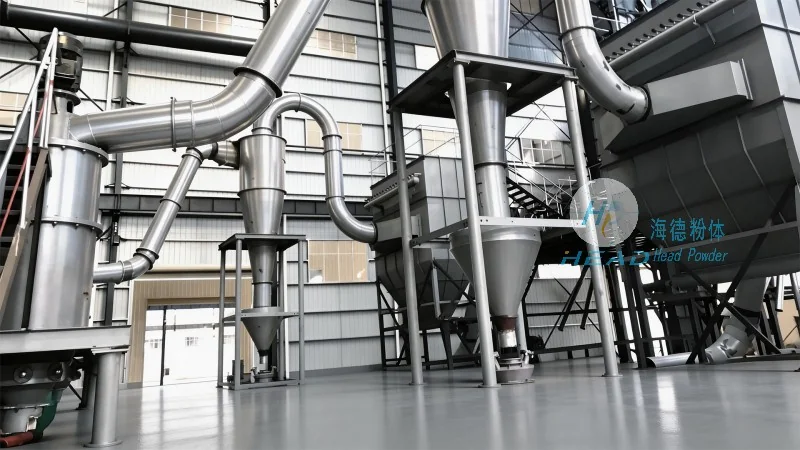
HeadPowder's Expertise in Wheat Bran Conveying Solutions
Shandong HeadPowder Engineering Co., Ltd., commonly known as HeadPowder, specializes in the design, manufacturing, and implementation of advanced pneumatic conveying systems tailored to the unique needs of wheat bran processing. With years of experience in the industry, HeadPowder has developed a comprehensive approach to system design that addresses the specific challenges of handling wheat bran, including its light weight, dust propensity, and potential for caking.
HeadPowder's engineers work closely with clients to assess their operational requirements, including the volume of wheat bran to be conveyed, the distance and elevation changes, and the desired system efficiency. This collaborative approach ensures that the final system design is optimized for performance and longevity. The company utilizes state-of-the-art simulation tools to model the conveying process, allowing for precise calculation of pressure drops, air requirements, and component sizing before actual construction begins.
HeadPowder's solutions often include integrated components such as feeders, airlocks, and control systems, which are designed to work in harmony to deliver a seamless conveying experience. The company emphasizes the use of high-quality materials and robust construction to ensure that the system can withstand the rigors of continuous operation in industrial settings. This focus on durability and reliability is a key differentiator for HeadPowder, as it helps clients achieve consistent performance and minimize downtime.
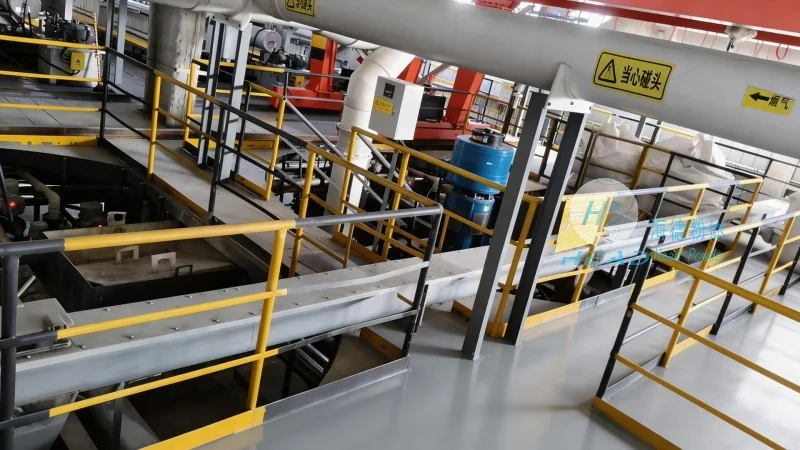
Addressing Common Challenges in Wheat Bran Conveying
Despite the advancements in pneumatic conveying technology, several challenges remain when handling wheat bran. One of the primary concerns is the potential for material buildup in the pipeline, which can lead to blockages and system failures. HeadPowder addresses this by incorporating self-cleaning features in the airlocks and using smooth, non-stick pipeline surfaces. Additionally, the system design includes regular maintenance points and monitoring systems to detect and address any issues promptly.
Another challenge is the dust generation during the conveying process, which can affect air quality and worker safety. HeadPowder's systems are equipped with dust collection and filtration systems to capture and remove airborne particles, ensuring compliance with environmental regulations and maintaining a safe working environment. The company also considers the impact of temperature and humidity on wheat bran properties, as these factors can affect the material's flow characteristics and the system's performance.
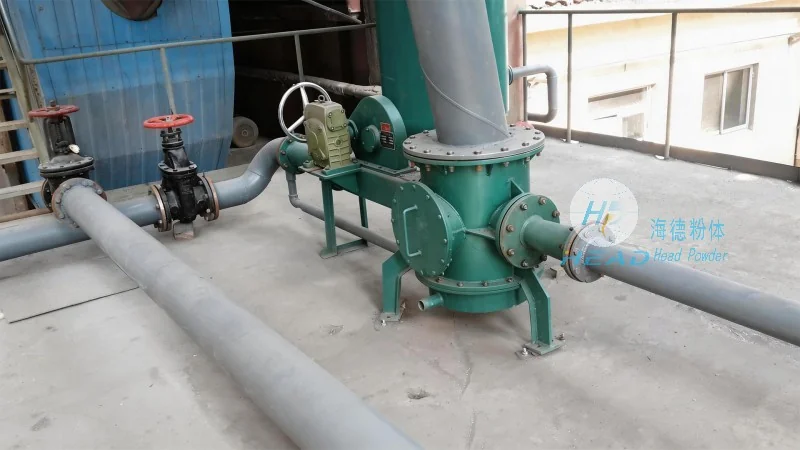
Energy efficiency is another critical consideration for modern pneumatic conveying systems. HeadPowder designs systems that optimize air usage while maintaining the required conveying velocity. This is achieved through the selection of efficient blowers, proper pipeline sizing, and the use of energy-saving control strategies. By reducing energy consumption, HeadPowder helps clients lower operational costs and improve their overall sustainability.
Conclusion and Contact Information
Designing an effective wheat bran pneumatic conveying system requires a deep understanding of material properties, system dynamics, and industrial best practices. Shandong HeadPowder Engineering Co., Ltd. brings this expertise to the table, offering tailored solutions that address the unique challenges of wheat bran processing. With a focus on efficiency, reliability, and durability, HeadPowder's systems help clients streamline their operations and achieve their production goals.
For more information on wheat bran pneumatic conveying system solutions, please contact Shandong HeadPowder Engineering Co., Ltd., located in Shandong, China. The company's team of experts is ready to assist with system design, installation, and maintenance, ensuring that clients receive the support they need to optimize their wheat bran handling processes.




