

How to Prevent Pipeline Blockages in Sesame Conveying with Pneumatic Conveying Systems? Key Design P
Sesame conveying, a critical step in the processing of this valuable oilseed, often faces challenges related to pipeline blockages. These blockages can significantly impact production efficiency, increase maintenance costs, and even lead to equipment damage if not properly managed. Pneumatic conveying systems have emerged as a reliable solution for transporting sesame efficiently while minimizing the risk of blockages. Understanding the key design parameters that contribute to effective and blockage-free operation is essential for optimizing sesame handling processes.
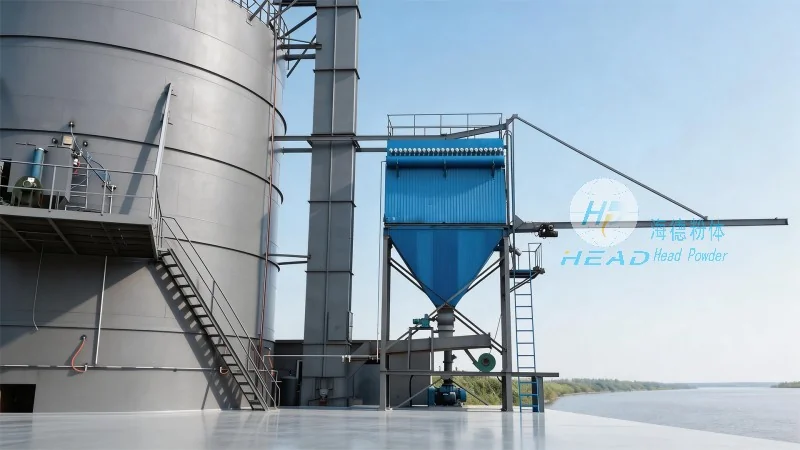
The Role of Pneumatic Conveying in Sesame Processing
HeadPowder, a leading engineering company based in Shandong, China, specializes in the design and implementation of pneumatic conveying systems tailored for various bulk material handling applications, including sesame. The company’s expertise lies in integrating advanced technology with practical engineering solutions to address the unique challenges of sesame, such as its fine texture and potential for bridging or agglomeration. By leveraging their experience, HeadPowder helps clients achieve seamless, continuous conveying of sesame from storage to processing units, ensuring minimal downtime and maximum productivity.
Key Design Parameters for Preventing Blockages
Several critical design parameters must be considered when designing a pneumatic conveying system for sesame to prevent pipeline blockages. The first is the air velocity, which must be maintained at an optimal level to ensure the material is fully suspended and transported without settling. HeadPowder recommends a minimum air velocity that is sufficient to overcome the gravitational forces acting on the sesame particles, typically ranging from 20 to 30 meters per second for fine sesame. Another crucial parameter is the system's pressure, which can be either positive or negative, depending on the conveying direction. Positive pressure systems are commonly used for horizontal or slightly inclined conveying, while negative pressure systems are suitable for vertical or downward conveying. The choice of pressure type directly impacts the risk of blockages, as improper pressure can lead to material accumulation at bends or fittings.
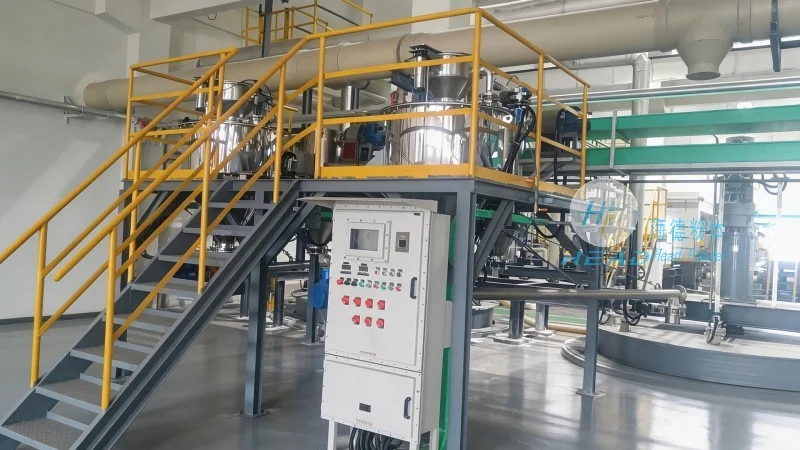
Material Handling and System Configuration
The configuration of the pneumatic conveying system, including the layout of pipelines, the placement of inlets and outlets, and the use of specialized components like cyclones and rotary valves, plays a vital role in preventing blockages. HeadPowder emphasizes the importance of smooth transitions and minimal changes in direction to avoid material buildup. For sesame, which can be prone to bridging, the use of inclined pipelines and the incorporation of vibration or air knives can help maintain flow. Additionally, the selection of appropriate pipe diameters is essential; larger diameters reduce the risk of blockages by allowing sufficient space for the material to move freely, while smaller diameters may require higher air velocities to prevent settling.
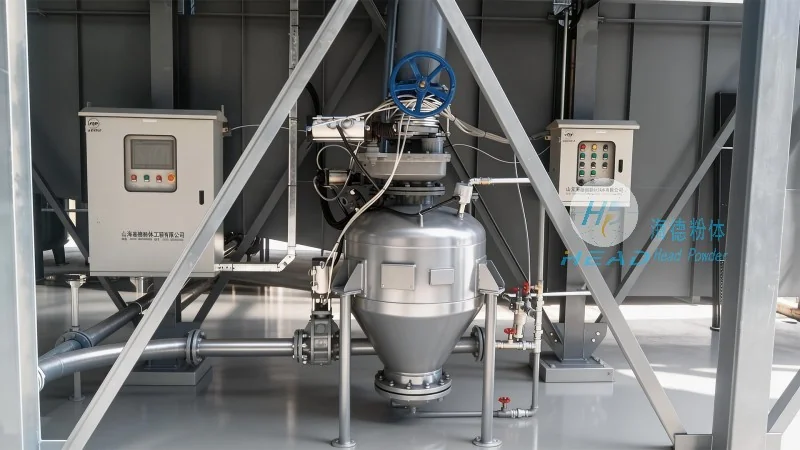
Material Properties and Their Impact on Conveying
Sesame's physical and chemical properties significantly influence the design of a pneumatic conveying system. The particle size distribution, moisture content, and density of the sesame are key factors that affect the system's performance. For example, if the sesame has a high moisture content, it may become sticky and prone to agglomeration, increasing the risk of blockages. HeadPowder's engineers conduct thorough material analysis to determine the optimal conveying conditions, ensuring that the system is tailored to the specific characteristics of the sesame being handled. This personalized approach helps in selecting the right air flow rates, pressure levels, and equipment to maintain a smooth conveying process.
Maintenance and Operational Best Practices
Even with the best design, regular maintenance and proper operational practices are essential to prevent pipeline blockages in sesame conveying systems. HeadPowder provides comprehensive guidance on maintenance schedules, including regular cleaning of pipelines, checking for wear and tear on components, and monitoring air pressure and flow rates. Additionally, training operators on the proper use of the system and the signs of potential blockages can help in early detection and resolution of issues. By following these best practices, clients can extend the lifespan of their pneumatic conveying systems and maintain consistent, efficient sesame handling.