

Design Considerations for Diatomite Powder Pneumatic Conveying Systems
Shandong HeadPowder Engineering Co., Ltd. specializes in designing and implementing efficient pneumatic conveying systems for industrial applications involving diatomite powder. Diatomite, a natural sedimentary rock composed of fossilized diatoms, is valued for its high porosity and low bulk density, making it ideal for filtration and other processes. However, its unique physical properties present challenges in material handling, necessitating careful system design to ensure optimal performance and reliability.
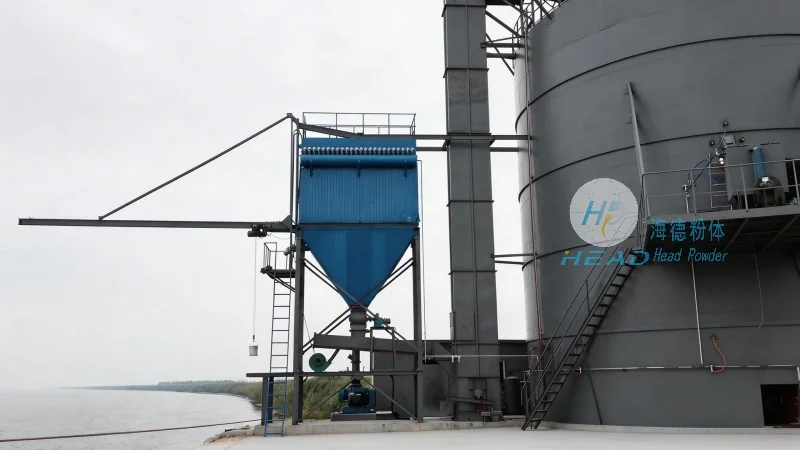
Material Properties and System Sizing
The first step in designing a diatomite powder pneumatic conveying system is to thoroughly analyze the material's characteristics. Diatomite typically has a particle size range from sub-micron to several millimeters, with an average bulk density of 0.4 to 0.6 g/cm³. These properties directly influence the air-to-solid ratio and conveying velocity required for effective transport. Finer powders demand higher air velocities to prevent clogging, while larger particles can be handled at lower velocities but with increased pressure drops. Accurate material testing data is essential to determine the optimal conveying parameters, ensuring the system operates within its design limits and avoids excessive energy consumption.
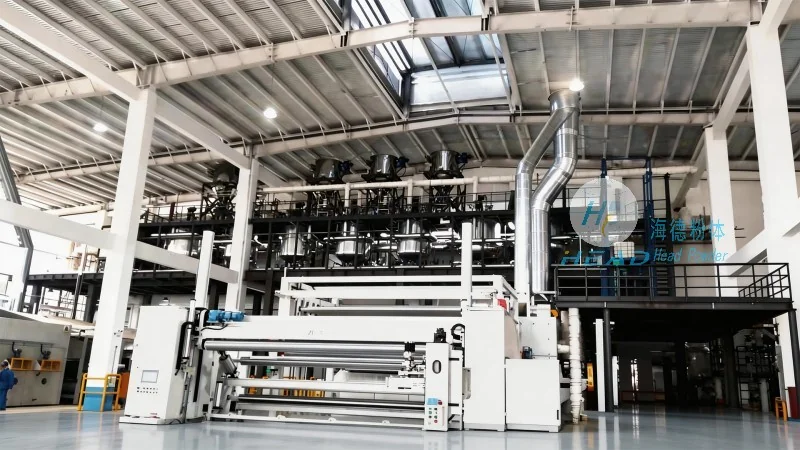
Pipeline Layout and Pressure Management
The layout of the pneumatic pipeline significantly impacts system efficiency. Horizontal sections should be designed with a slight upward slope (1-2 degrees) to facilitate material movement and prevent accumulation at low points. Vertical risers require special attention to handle pressure buildup and prevent material settling, often incorporating venting and expansion joints to accommodate thermal changes. The pressure required for conveying varies based on pipeline length, diameter, and the number of bends or fittings. Low-pressure systems (under 0.5 bar) are suitable for short distances and low-concentration conveying, while high-pressure systems (up to 2 bar) are used for longer distances or higher material loads. Proper pressure management minimizes energy loss and maximizes the system's conveying capacity.
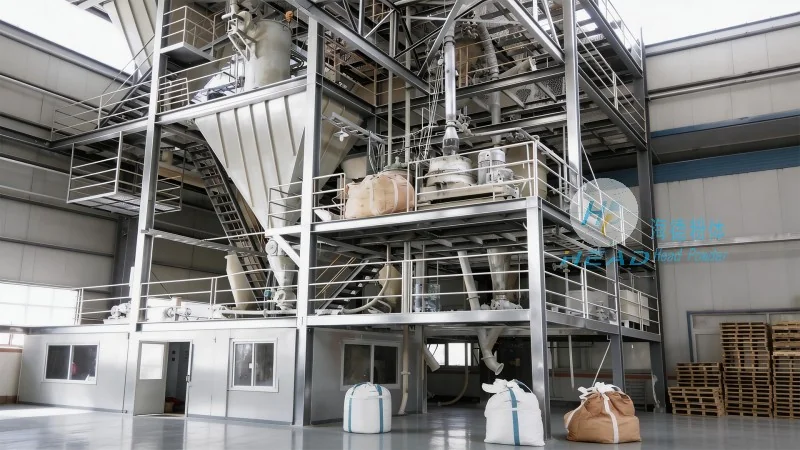
Equipment Selection and Maintenance
Choosing appropriate equipment is critical for reliable operation. Centrifugal blowers are commonly used due to their ability to handle large air volumes at moderate speeds, reducing wear on the system. Cyclones are essential for separating diatomite from the air stream, and their design must be optimized for the material's particle size and density to ensure efficient separation. Material feeders, such as rotary valves or screw feeders, must be selected to handle diatomite's flow characteristics, avoiding issues like bridging or agglomeration. Regular maintenance, including cleaning cyclones, replacing air filters, and inspecting for wear on components like elbows and fittings, is vital to maintain system efficiency and extend equipment life.
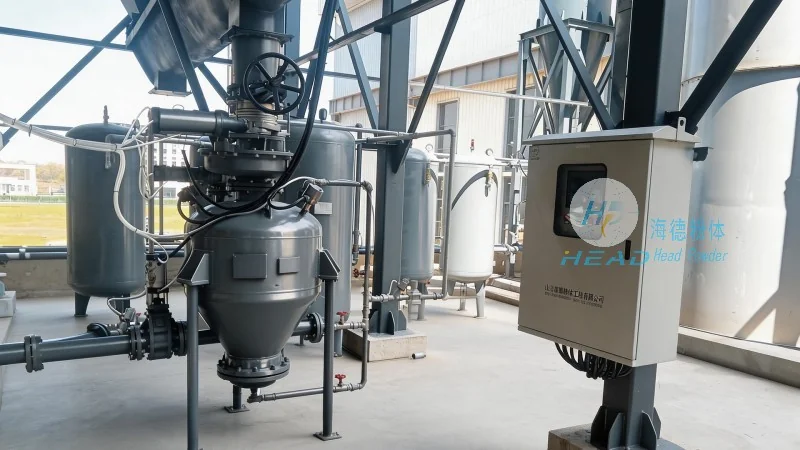
Environmental and Safety Considerations
Designing a diatomite powder pneumatic system also addresses environmental and safety concerns. While diatomite is generally non-toxic, dust generation during handling can still pose health risks. Enclosing the system and using local exhaust ventilation are recommended to control dust exposure. Safety features, such as pressure relief valves and emergency shutdown systems, are included to prevent accidents and ensure safe operation. Compliance with local regulations regarding noise and emissions is also important, especially in industrial settings. By addressing these considerations, the system operates efficiently while minimizing environmental impact and ensuring workplace safety.