When designing a pneumatic conveying system for sodium hexafluorophosphate, several critical factors must be considered to ensure efficiency, safety, and long-term reliability. This article outlines key design considerations that are essential for the successful implementation of such systems, focusing on the specific requirements of handling sodium hexafluorophosphate, a compound widely used in various industrial applications.
System Selection and Configuration
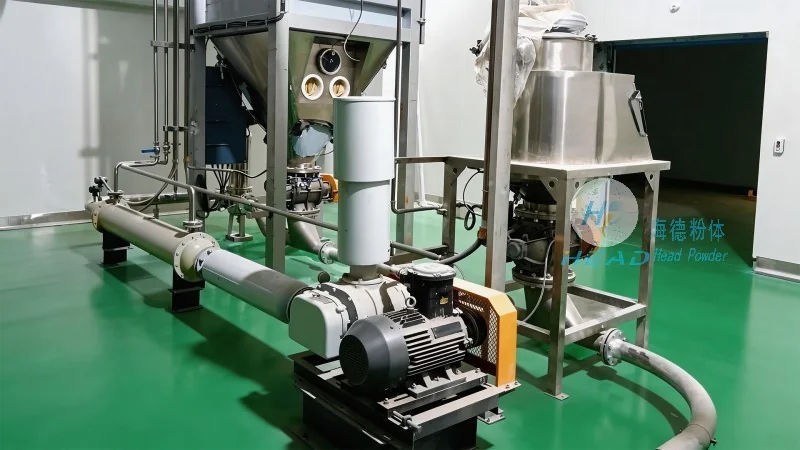
The first step in designing a pneumatic conveying system for sodium hexafluorophosphate is selecting the appropriate system type. There are primarily two categories: dilute-phase and dense-phase systems. Dilute-phase systems use high air velocities to transport material in a dispersed state, while dense-phase systems operate at lower velocities, creating a slurry-like flow. For sodium hexafluorophosphate, which is a fine powder with potential for dust generation, a dilute-phase system is often preferred as it minimizes material degradation and reduces the risk of blockages. However, the choice depends on the distance to be covered, the required material flow rate, and the need to maintain product integrity. The system configuration should also include components such as a hopper, feeder, air compressor, and conveying line, all of which must be sized appropriately to handle the specific characteristics of sodium hexafluorophosphate.
Material Handling and Feeder Design
The feeder is a critical component in a pneumatic conveying system, as it controls the material flow rate and prevents clogging. For sodium hexafluorophosphate, which is a fine powder prone to bridging and agglomeration, a rotary valve or a screw feeder may be used. The feeder must be designed to handle the material's flow properties, including its bulk density and angle of repose. Additionally, the feeder should be equipped with a dust collection system to prevent material loss and ensure environmental compliance. The hopper, where the material is stored before being fed into the system, must be designed with smooth walls and a conical bottom to facilitate material flow and prevent accumulation. Proper sealing of the hopper is also essential to maintain the material's quality and prevent contamination.
Air Compressor and Pressure Management
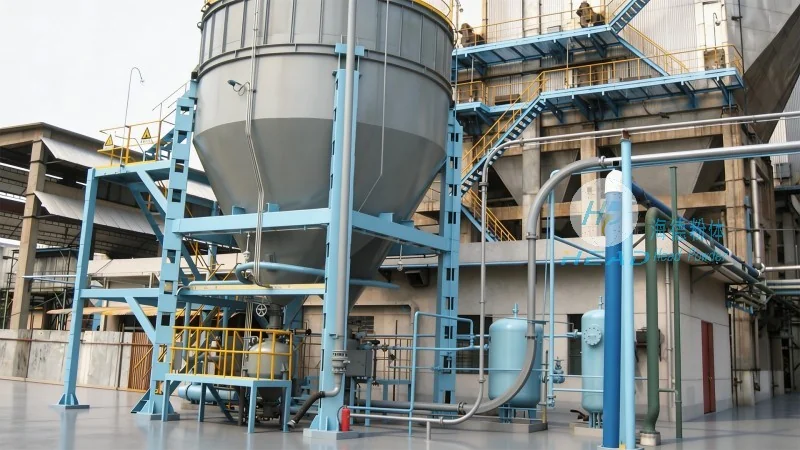
The air compressor is the heart of the pneumatic conveying system, providing the necessary pressure and airflow to transport sodium hexafluorophosphate. The choice of compressor type—such as rotary screw or centrifugal—depends on the system's requirements, including flow rate, pressure, and energy efficiency. For sodium hexafluorophosphate, which is a non-combustible material, the compressor must be designed to handle the material's dust and prevent contamination. Pressure management is also crucial, as excessive pressure can lead to material degradation or equipment damage, while insufficient pressure may result in system inefficiency or blockages. The system should include pressure relief valves and filters to ensure safe and stable operation. Regular maintenance of the compressor, including oil changes and filter replacements, is essential to maintain performance and extend the system's lifespan.
Conveying Line and Material Handling
The conveying line is a key component that determines the system's efficiency and material handling capabilities. For sodium hexafluorophosphate, which is a fine powder, the line should be made of materials resistant to corrosion and abrasion, such as stainless steel or polyethylene. The line diameter and length must be sized to accommodate the material's flow rate and prevent excessive pressure drop. Elbows and bends in the line should be minimized or replaced with smooth transitions to reduce friction and prevent material buildup. The system should also include a material separator or cyclone to separate the conveyed material from the air at the receiving end. This separator must be designed to handle the material's fine particles and prevent clogging. The receiving hopper should be equipped with a level indicator and a discharge valve to control the material flow and prevent overfilling.
Safety and Environmental Considerations
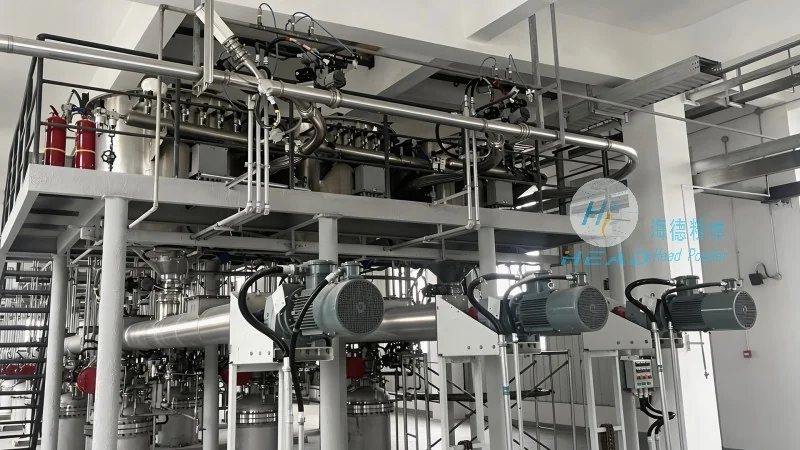
Safety is a top priority when designing a pneumatic conveying system for sodium hexafluorophosphate, as the material is a fine powder that can pose a dust explosion risk. The system must be equipped with explosion-proof components, such as air compressors and electrical equipment, to prevent ignition sources. Dust collection systems should be installed to capture any airborne particles and prevent their release into the environment. The system should also include pressure relief devices and emergency shut-off valves to ensure safe operation in case of malfunctions. Regular safety inspections and maintenance are essential to identify and address potential hazards. Environmental considerations include proper waste disposal and compliance with local regulations regarding dust emissions. The system should be designed to minimize material loss and prevent contamination of the surrounding environment.
Maintenance and Operational Guidelines
Proper maintenance is crucial to ensure the long-term performance and reliability of a pneumatic conveying system for sodium hexafluorophosphate. Regular cleaning of the hopper, feeder, and conveying line is necessary to prevent material buildup and clogging. The air compressor and filters should be inspected and maintained according to the manufacturer's recommendations. The system should be operated within the specified parameters, including pressure and flow rate, to avoid damage or inefficiency. Training of operators on the system's operation and maintenance is essential to ensure safe and effective use. The system should also include monitoring equipment, such as pressure gauges and flow meters, to track performance and detect any issues early. By following these guidelines, the system can operate efficiently and reliably for many years, providing consistent performance and minimizing downtime.




