

Design Considerations for Pneumatic Conveying Systems in Food Additive Applications
HeadPowder, a leading engineering firm based in Shandong, China, specializes in the design and implementation of pneumatic conveying systems tailored for the food additive industry. These systems are critical for efficiently and safely transporting various food additives, ensuring compliance with stringent food safety regulations. This article outlines key design considerations that ensure optimal performance, reliability, and safety for such systems.
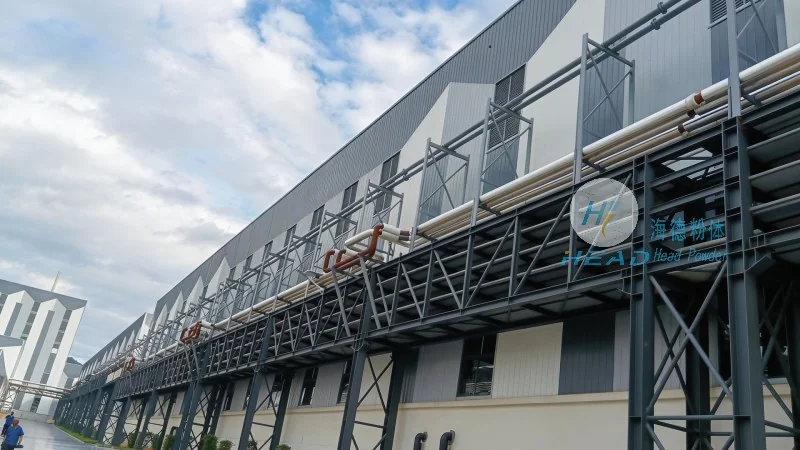
Key Design Considerations for Food Additive Pneumatic Conveying
When designing a pneumatic conveying system for food additives, several factors must be carefully evaluated to meet operational requirements and regulatory standards. The first consideration is the type of additive being conveyed, as different materials have varying properties that affect system design. For example, powders with high moisture content or those that are hygroscopic require specialized equipment to prevent clumping or degradation. The system must also be designed to maintain a sterile environment, as food additives are often used in sensitive applications where contamination is unacceptable.
Material Selection and Equipment Compatibility
Choosing the right materials for system components is paramount in food additive applications. All parts that come into contact with the additives must be made from food-grade materials, such as stainless steel (specifically 316L) or FDA-approved plastics. This ensures that the additives remain free from chemical residues or contaminants. Additionally, the selection of pumps, valves, and other components must be compatible with the specific properties of the additives, including their particle size, density, and flow characteristics. For instance, systems handling fine powders may require high-pressure air or vacuum pumps to ensure consistent flow, while larger granules might benefit from low-pressure, high-volume systems.
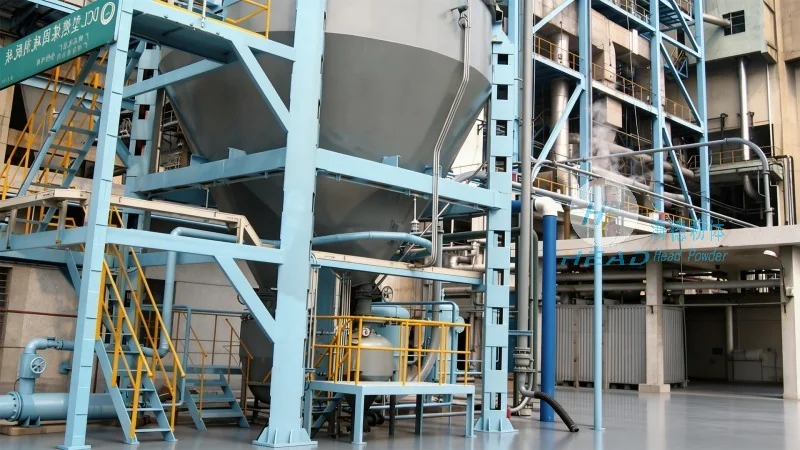
System Sizing and Flow Rate Optimization
Accurate system sizing is crucial for efficient operation. The flow rate of the pneumatic conveying system must be matched to the production capacity of the food additive processing line. Under-sizing can lead to system bottlenecks and reduced throughput, while over-sizing may result in unnecessary energy consumption and increased maintenance costs. HeadPowder engineers use advanced computational fluid dynamics (CFD) and flow modeling techniques to determine the optimal system dimensions, including pipe diameter, air velocity, and pressure drop. This ensures that the system operates at peak efficiency, minimizing energy waste and maximizing productivity.
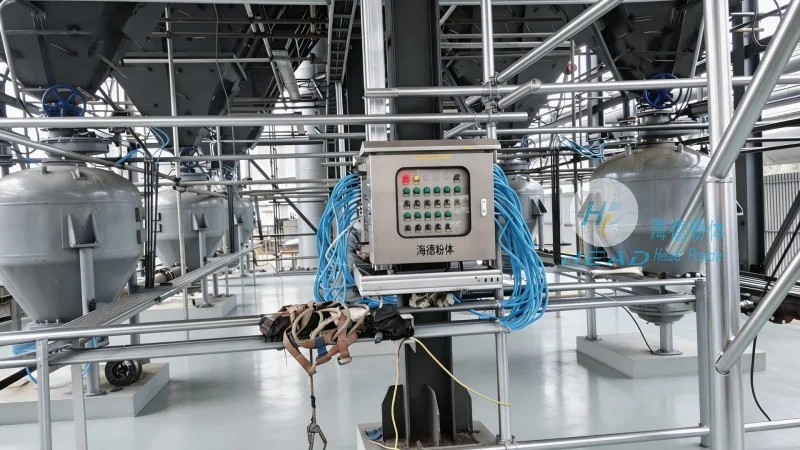
Safety and Compliance Measures
Food additive pneumatic conveying systems must adhere to strict safety and regulatory standards. The system design must include features to prevent dust explosions, such as explosion-proof components and proper venting systems. Additionally, the system must be equipped with monitoring and control devices to detect and respond to abnormal conditions, such as pressure spikes or material blockages. Regular maintenance and cleaning protocols are also essential to maintain system integrity and ensure compliance with food safety regulations. HeadPowder’s expertise in compliance ensures that all systems meet or exceed industry standards, providing peace of mind to clients operating in the food industry.
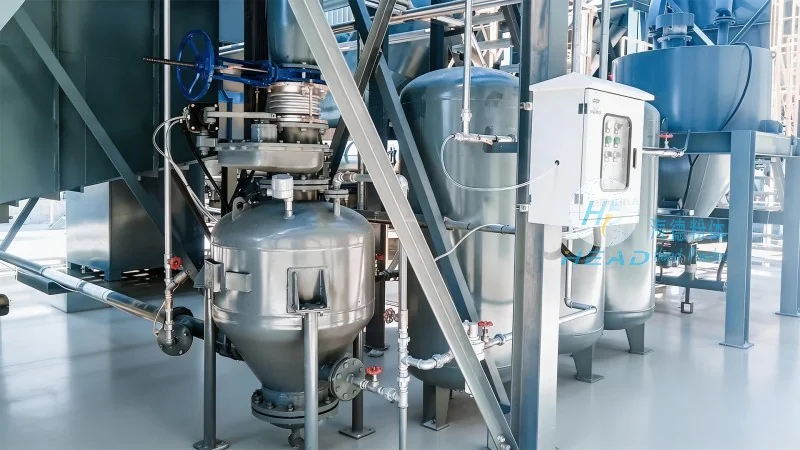
Integration with Existing Processing Lines
Another critical consideration is the integration of the pneumatic conveying system with existing processing lines. The system must be designed to seamlessly connect with other equipment, such as storage silos, mixers, and packaging machines. This requires careful coordination of equipment interfaces, including the use of compatible connectors and control systems. HeadPowder’s engineers work closely with clients to understand their existing infrastructure and design a system that integrates smoothly, minimizing downtime and ensuring a smooth transition to new operations.
Maintenance and Long-Term Reliability
Ensuring long-term reliability is a key design goal for pneumatic conveying systems in food additive applications. The system must be designed with easy access to components for maintenance and cleaning, reducing downtime and maintenance costs. Regular maintenance schedules, including component inspections and cleaning procedures, are essential to maintain system performance and extend the lifespan of the equipment. HeadPowder provides comprehensive maintenance services and spare parts support to ensure that clients can maintain optimal system performance over the long term.