

Principles and Classification Applications of Cotton Seed Pneumatic Conveying
HeadPowder Engineering Co., Ltd., a leading manufacturer based in Shandong, China, specializes in the design and implementation of pneumatic conveying systems tailored for cotton seed handling. This article provides an in-depth exploration of the fundamental principles behind cotton seed pneumatic conveying, along with a detailed classification of its applications across various industrial settings.
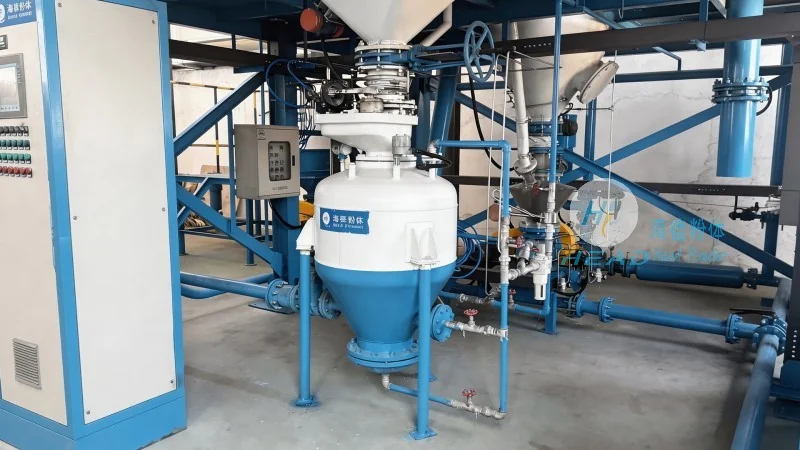
Understanding the Fundamentals of Cotton Seed Pneumatic Conveying
Pneumatic conveying is a method of transporting bulk materials, such as cotton seeds, through a pipeline using air or gas as the conveying medium. The core principle involves creating a pressure differential within the system to move the material from the source to the destination. There are two primary types of pneumatic conveying systems: suction (or vacuum) systems and pressure systems. Suction systems operate by creating a negative pressure at the inlet, drawing the material into the pipeline, while pressure systems use positive pressure to push the material forward. For cotton seed applications, the choice between these systems depends on factors like material characteristics, distance, and system complexity.
Classification of Pneumatic Conveying Systems for Cotton Seed Handling
Within the realm of cotton seed pneumatic conveying, systems can be classified based on several key parameters. The most common classifications include:
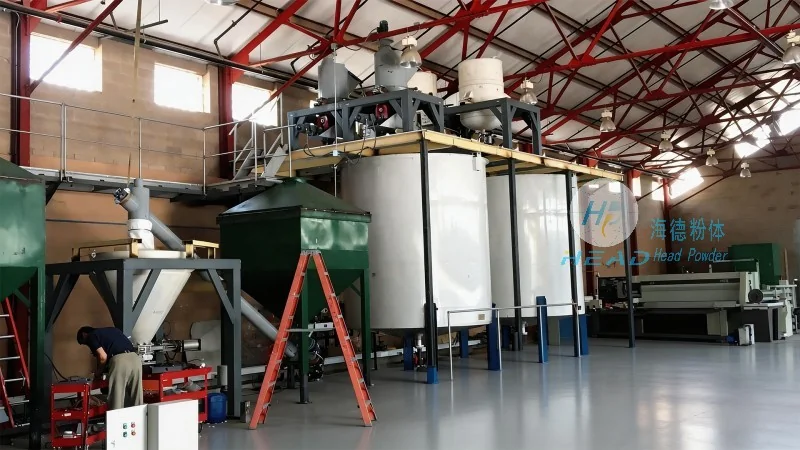
- By Conveying Method: Suction (vacuum) systems and pressure systems. Suction systems are ideal for short-distance, low-volume transport, while pressure systems are better suited for longer distances and higher material loads.
- By Material Flow: Dilute-phase and dense-phase systems. Dilute-phase systems involve the material being suspended in the air stream, typically at a low solids concentration, making them suitable for fine or light materials like cotton seeds. Dense-phase systems, on the other hand, transport the material in a more compact form, with higher solids concentration, which is beneficial for preventing material degradation and ensuring efficient transport.
- By System Configuration: Closed-loop and open-loop systems. Closed-loop systems recycle the air back into the system, reducing energy consumption and environmental impact. Open-loop systems discharge the air directly into the atmosphere, which may be more suitable for applications where air quality is not a concern.
Application Scenarios and Practical Implementations
The classification of pneumatic conveying systems allows for tailored solutions for different cotton seed processing and handling needs. For instance, in cotton seed storage facilities, suction systems are often used to transfer seeds from storage bins to processing equipment, as they can efficiently handle the material without causing excessive wear on the equipment. In contrast, pressure systems may be employed in larger-scale operations, such as cotton seed processing plants, where the need to transport larger quantities of material over longer distances is critical.
Another application area is the transportation of cotton seed from the field to the processing plant. Here, dense-phase pressure systems are commonly used to ensure that the seeds are transported without damage, maintaining their quality for further processing. The choice of system also depends on the specific characteristics of the cotton seed, such as moisture content and particle size, as these factors can affect the efficiency and effectiveness of the conveying process.
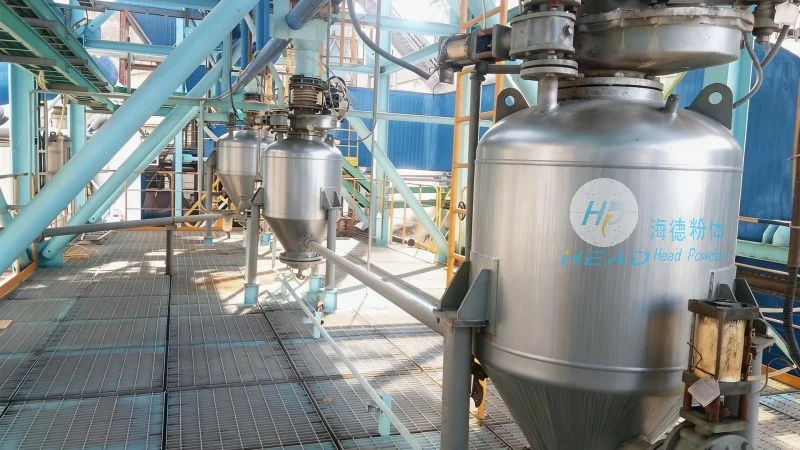
Key Considerations for Designing Cotton Seed Pneumatic Conveying Systems
When designing a pneumatic conveying system for cotton seed, several factors must be carefully considered to ensure optimal performance and longevity. First, the material's physical properties, including its density, moisture content, and particle size distribution, play a crucial role in determining the appropriate system type and operating parameters. For example, cotton seeds are relatively light and have a high moisture content, which can lead to caking or agglomeration if not properly managed. Therefore, systems often include features like air conditioning or moisture control to maintain the material's quality.
Second, the system's capacity and the required conveying distance are critical design parameters. The capacity of the system must be sufficient to meet the production demands of the cotton seed processing facility, while the conveying distance must be accommodated by the chosen system configuration. For longer distances, pressure systems with larger pipelines and higher air pressures are typically required to maintain the material's flow and prevent blockages.
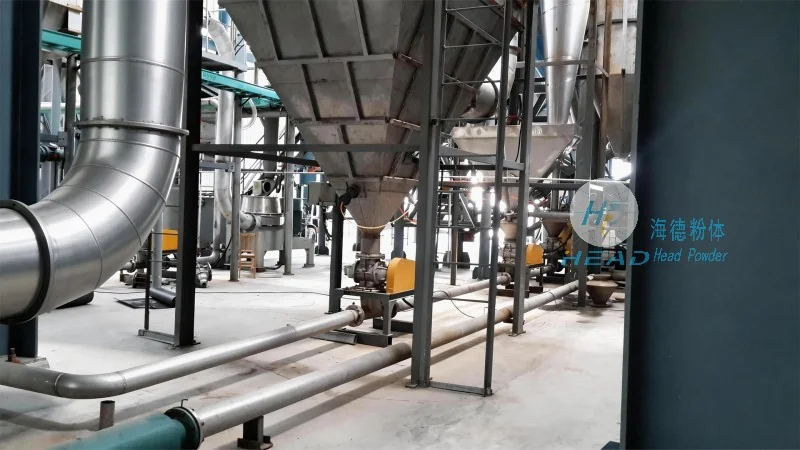
Third, the system's energy efficiency and environmental impact are important considerations. Closed-loop systems, as mentioned earlier, are more energy-efficient and environmentally friendly due to the recycling of air. However, they may require additional equipment, such as filters and compressors, to maintain air quality and system performance. The choice of system should balance these factors with the overall operational requirements of the cotton seed processing facility.
Conclusion and Company Expertise
HeadPowder Engineering Co., Ltd. leverages its expertise in pneumatic conveying technology to provide customized solutions for cotton seed handling. By understanding the fundamental principles and classification of pneumatic conveying systems, the company designs and implements efficient, reliable, and cost-effective systems that meet the specific needs of cotton seed processing operations. Whether it's a suction system for short-distance transport or a dense-phase pressure system for long-distance handling, HeadPowder's solutions ensure that cotton seeds are transported safely and efficiently, maintaining their quality throughout the process.