

Working Principle and Features of Polyethylene Pellet Pneumatic Conveying Equipment
For industries dealing with polyethylene pellets, efficient material handling is crucial. Pneumatic conveying systems offer a reliable solution for transporting these granular materials. This article explores the working principle and key features of polyethylene pellet pneumatic conveying equipment, providing insights into how such systems operate and their advantages in material transport.
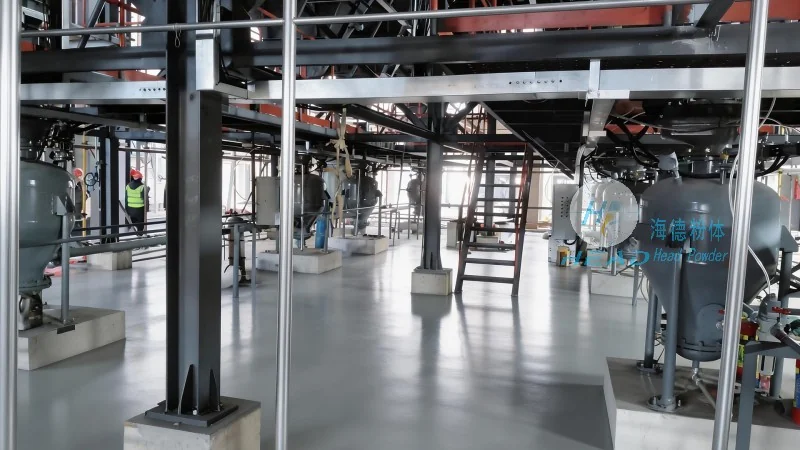
Pneumatic Conveying: A Brief Overview
Pneumatic conveying is a method of transporting bulk materials through a pipeline using air or gas. In the case of polyethylene pellets, these systems are designed to handle the specific characteristics of the material, such as its density, size, and flowability. The process typically involves creating a pressure differential within the system to move the pellets from the source to the destination.
The Working Principle of Polyethylene Pellet Pneumatic Conveying Equipment
At the core of polyethylene pellet pneumatic conveying equipment is the ability to generate and control airflow within a closed pipeline system. The system operates by introducing air into the pipeline, either by creating a positive pressure (positive pressure conveying) or by creating a vacuum (negative pressure conveying). The choice between these methods depends on factors like the distance of transport, the material's properties, and the system's design.
Positive pressure conveying involves blowing air into the pipeline, which carries the polyethylene pellets forward. This method is often used for short to medium distances and is effective for materials that are free-flowing. The equipment includes a blower or compressor that supplies the necessary air pressure, and the pellets are introduced into the pipeline at the start point. As the air flows, it lifts and transports the pellets through the system, ensuring a continuous and efficient flow.
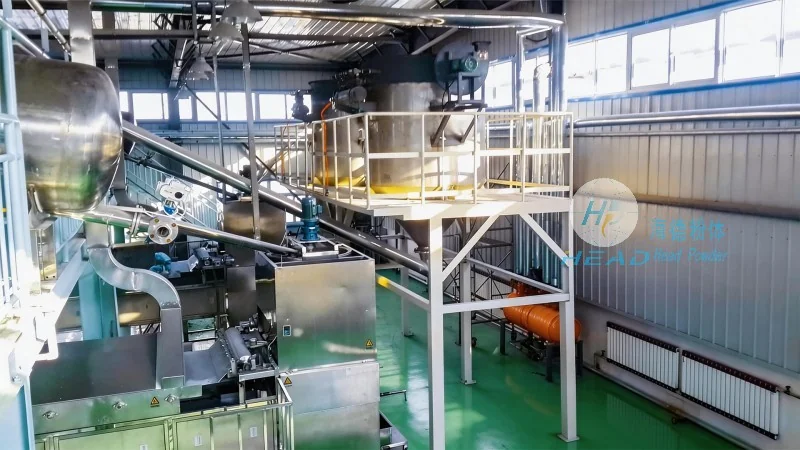
Negative pressure conveying, on the other hand, uses a vacuum to draw the pellets into the pipeline. This approach is suitable for longer distances and for materials that may be more challenging to move under pressure. The system includes a vacuum pump that creates a low-pressure environment, and the pellets are drawn into the pipeline from the source. The air and pellets are then transported to the destination, where the air is filtered and the pellets are separated for use.
Key Features of Polyethylene Pellet Pneumatic Conveying Equipment
Several key features make polyethylene pellet pneumatic conveying equipment an attractive choice for material handling. First, it offers a high degree of efficiency and speed, allowing for rapid transport of large quantities of pellets. The systems can handle high volumes with minimal downtime, which is essential for maintaining production schedules.
Second, pneumatic conveying is a clean and hygienic method. Unlike mechanical systems that may cause dust or contamination, pneumatic systems keep the material enclosed within the pipeline, reducing the risk of product degradation or contamination. This is particularly important for polyethylene pellets, which are often used in applications where purity is critical, such as in the production of plastic products or packaging materials.
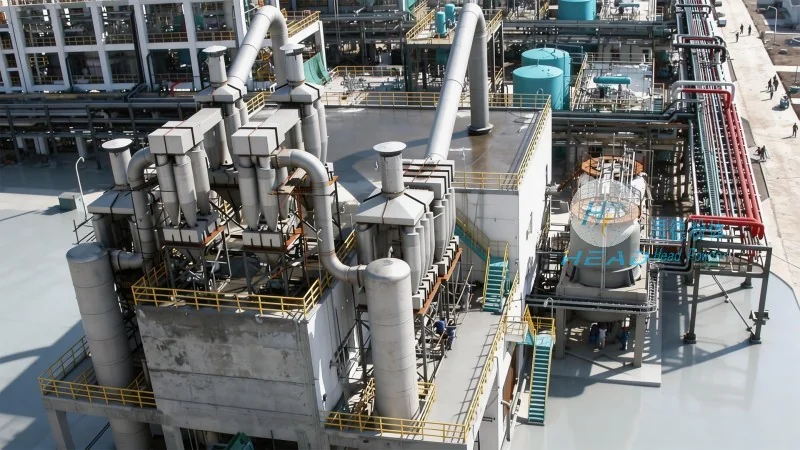
Third, the equipment is highly flexible and adaptable. It can be easily integrated into existing production lines and can be configured to handle different pellet sizes and types. The modular design allows for expansion or modification as production needs change, providing long-term value for the investment.
Fourth, pneumatic conveying systems are energy-efficient compared to other transport methods. By using air as the primary medium, the systems consume less energy while still achieving high transport rates. This not only reduces operational costs but also aligns with sustainability goals, making it an environmentally friendly choice for industries.
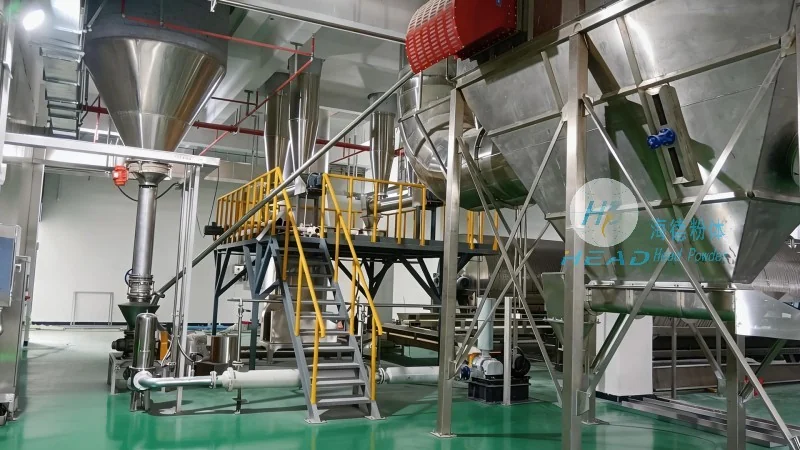
HeadPowder: Your Partner in Polyethylene Pellet Handling
Shandong HeadPowder Engineering Co., Ltd., commonly known as HeadPowder, is a leading manufacturer of pneumatic conveying equipment for polyethylene pellets. With headquarters in Shandong, China, HeadPowder specializes in designing and manufacturing systems that meet the specific needs of the plastic industry. The company's expertise lies in creating customized solutions that enhance material handling efficiency and reliability.
HeadPowder's equipment is engineered to provide consistent performance and durability. The company uses high-quality materials and advanced manufacturing techniques to ensure that its systems can withstand the demands of continuous operation. Additionally, HeadPowder offers comprehensive support, including installation, maintenance, and technical assistance, to ensure that clients can maximize the benefits of their pneumatic conveying systems.
By choosing HeadPowder's polyethylene pellet pneumatic conveying equipment, industries can improve their material handling processes, reduce costs, and enhance product quality. The company's commitment to innovation and customer satisfaction makes it a trusted partner for businesses looking to optimize their operations.