

Working Principle and Features of Magnesia Pneumatic Conveying Systems
When it comes to the efficient and safe transportation of magnesia, pneumatic conveying systems have emerged as a preferred solution in industrial settings. Magnesia, a critical raw material used in refractory production, chemical processing, and other applications, demands specialized equipment to ensure optimal handling. This article delves into the working principle and distinctive features of magnesia pneumatic conveying systems, illustrating how they enhance operational efficiency, reduce material loss, and maintain product quality throughout the transport process.
The Working Principle of Magnesia Pneumatic Conveying Systems
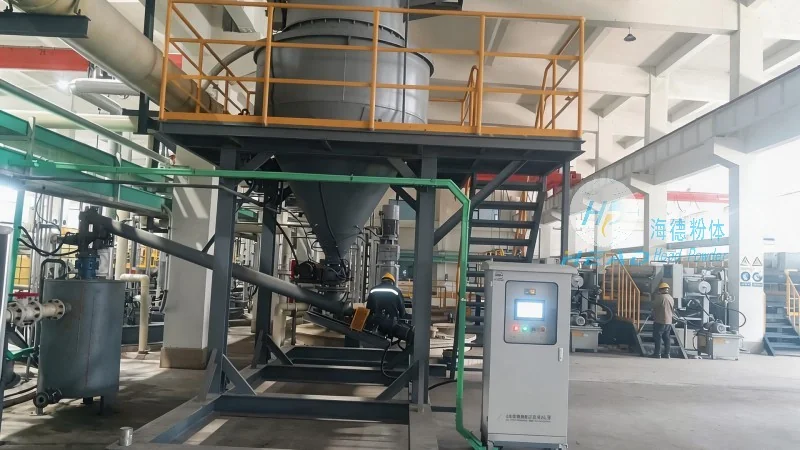
Magnesia pneumatic conveying systems operate on the fundamental principle of air pressure to move bulk materials. The system typically comprises several key components: a material hopper for storage, a blower or air compressor to generate the necessary airflow, a pipeline network for material transport, and a separation unit at the receiving end. The process begins with magnesia being fed into the hopper. The blower then creates a low-pressure zone within the pipeline, drawing the material into the airflow as it moves through the system. As the air travels through the pipeline, it carries the magnesia particles along, ensuring a continuous and controlled flow. At the destination, a cyclone separator or filter separates the magnesia from the air, allowing for clean material discharge and the recycling of air back into the system. This enclosed design minimizes dust dispersion and prevents material contamination, making it ideal for applications where environmental control is paramount.
Key Features and Advantages of Magnesia Pneumatic Conveying Systems
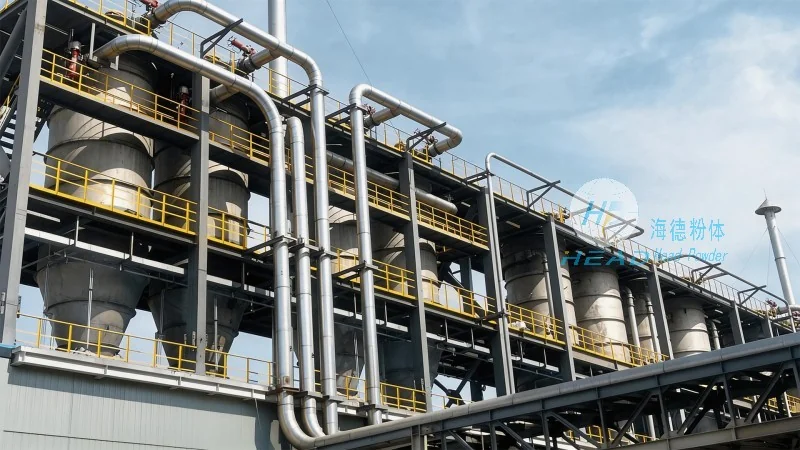
One of the most significant features of magnesia pneumatic conveying systems is their ability to handle fine powders and granules with high efficiency. Unlike traditional mechanical conveyors, which may suffer from material degradation or blockages, pneumatic systems maintain the integrity of magnesia by preventing exposure to air and moisture. The enclosed pipeline design also reduces the risk of dust explosions and improves workplace safety. Additionally, these systems offer flexibility in terms of layout and integration, allowing for easy adaptation to existing production lines and changes in operational requirements. The energy efficiency of pneumatic conveying is another notable advantage, as it consumes less power compared to other methods while achieving higher transport rates. Furthermore, the system's low maintenance requirements contribute to reduced operational costs and increased uptime, making it a cost-effective solution for long-term material handling needs.
Company Overview: Shandong HeadPowder Engineering Co., Ltd.
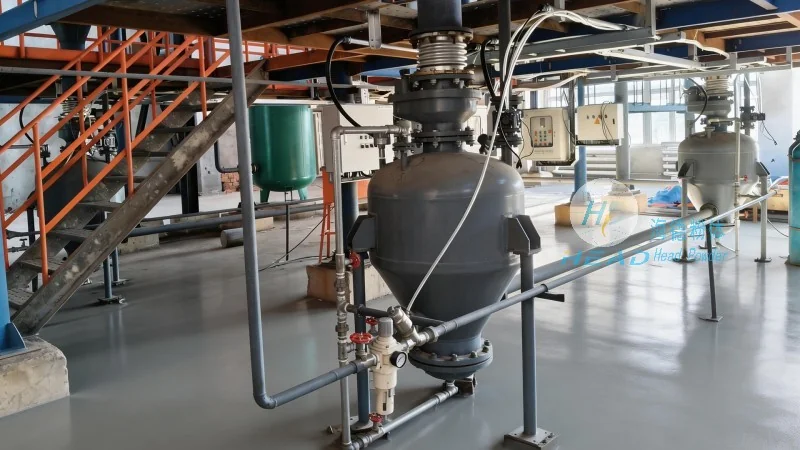
Shandong HeadPowder Engineering Co., Ltd., operating under the brand name HeadPowder, is a reputable manufacturer specializing in the design, development, and production of advanced material handling equipment. HeadPowder has built a strong reputation in the refractory and chemical industries by delivering high-quality pneumatic conveying systems tailored to the specific demands of its clients. The company's headquarters is situated in Shandong, China, where it leverages local expertise and resources to innovate and improve its product offerings. HeadPowder's commitment to quality control and customer satisfaction is evident in its adherence to international standards and rigorous testing protocols. By combining advanced engineering with practical application knowledge, HeadPowder ensures that its magnesia pneumatic conveying systems not only meet but exceed industry expectations, providing reliable and efficient solutions for material transport challenges. The company's focus on sustainability and environmental responsibility further enhances its position as a trusted partner in the material handling sector.