When it comes to handling and transporting lithium hexafluorophosphate (LiPF₆), a critical component in lithium-ion battery production, selecting the right delivery method is essential for efficiency, safety, and cost-effectiveness. As a leading manufacturer in the field, Shandong HeadPowder Engineering Co., Ltd. specializes in providing high-quality solutions tailored to various industrial needs. This article provides a detailed comparison of common delivery methods for LiPF₆, highlighting their advantages, limitations, and suitable applications.
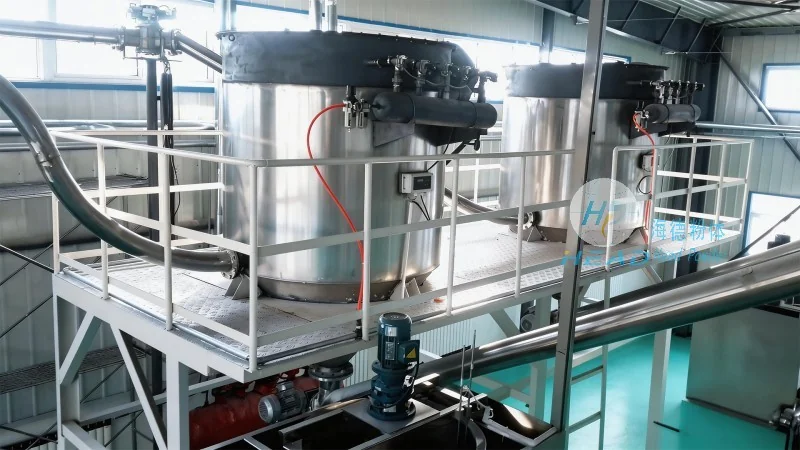
1. Bulk Storage and Pneumatic Conveying Systems
Bulk storage and pneumatic conveying systems are widely used for large-scale LiPF₆ handling. These systems typically involve storing the material in silos or hoppers and transporting it through a network of pipes using compressed air. The primary advantage of this method is its ability to handle large volumes with minimal human intervention, making it ideal for continuous production lines. However, it requires significant infrastructure investment and careful maintenance to prevent material degradation or equipment failure. The system is particularly suitable for factories with high production throughput and a need for automated material flow management.
2. Bagging and Bulk Bag (FIBC) Handling
Bagging and bulk bag handling is a common method for transporting LiPF₆ in smaller to medium quantities. This approach involves packaging the material in sealed bags or flexible intermediate bulk containers (FIBCs). The process typically includes weighing, filling, and sealing the bags, which are then stored or shipped. The main benefit of this method is its flexibility and ease of handling, as bags can be easily transported by forklifts or pallet jacks. It is particularly useful for applications where the material needs to be delivered to multiple locations or stored in warehouses. However, it may not be as efficient for very high-volume operations due to the time required for bagging and the potential for material loss during handling.
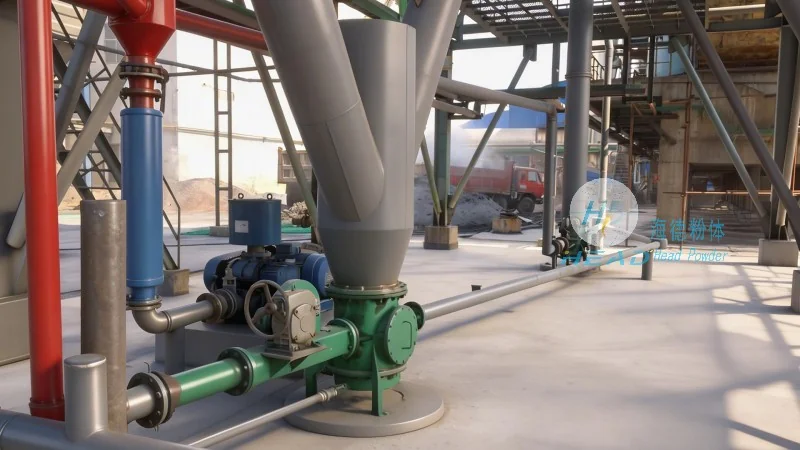
3. Liquid Form and Pumping Systems
For certain applications, LiPF₆ is delivered in a liquid form, which is then pumped through pipelines or hoses. This method is commonly used in battery manufacturing plants where the electrolyte solution containing LiPF₆ needs to be transported to various processing stations. The advantage of liquid delivery is its ability to flow through narrow channels and be precisely metered, ensuring consistent concentration in the electrolyte. However, it requires strict control of temperature and moisture to prevent degradation of the liquid and equipment corrosion. The system is most suitable for facilities that require high precision in electrolyte preparation and have the necessary infrastructure for liquid handling.
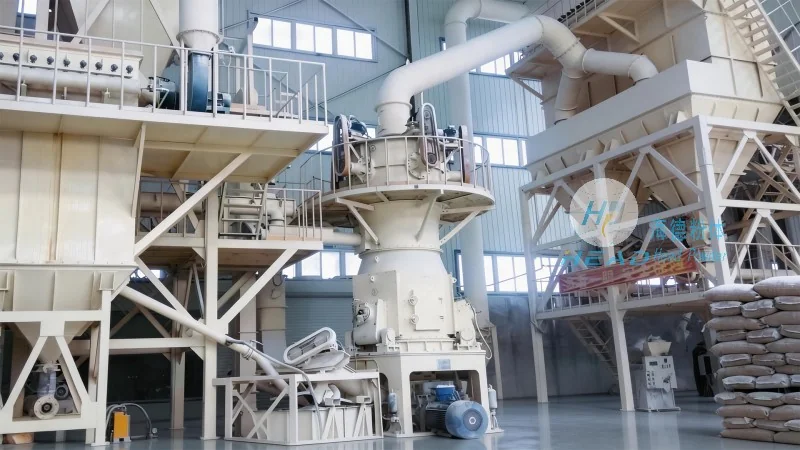
4. Specialized Containerized Transport
Specialized containerized transport involves using dedicated containers, such as ISO tanks or tank trucks, to move LiPF₆. This method is often used for bulk shipments over longer distances. The containers are designed to maintain the material's integrity and prevent contamination. The primary advantage is the ability to transport large quantities with minimal handling at the origin and destination. However, it may involve higher costs for specialized equipment and compliance with transportation regulations. This method is ideal for companies that need to source LiPF₆ from distant suppliers or distribute it to multiple regional locations.
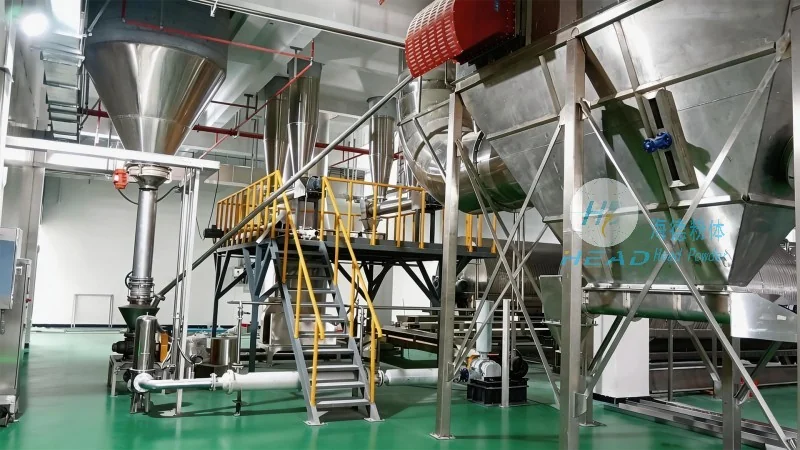
5. Automated Dispensing and Dosing Systems
Automated dispensing and dosing systems are used for precise delivery of LiPF₆ in smaller batches or for laboratory-scale applications. These systems typically include a hopper, a dosing pump, and a control unit that allows for accurate measurement and dispensing of the material. The advantage of this method is its high precision and repeatability, which is crucial for research and development or small-scale production. However, it may have lower throughput compared to bulk systems and requires regular calibration to maintain accuracy. This system is most suitable for applications where exact amounts of LiPF₆ are needed, such as in battery formulation testing or small-scale pilot production.
Conclusion and Recommendations
Choosing the right delivery method for lithium hexafluorophosphate depends on several factors, including production scale, operational requirements, and budget constraints. Bulk storage and pneumatic conveying systems are ideal for large-scale industrial applications, while bagging and bulk bag handling offer flexibility for smaller operations. Liquid form and specialized containerized transport are suitable for specific applications like electrolyte preparation or long-distance shipping. Automated dispensing systems provide precision for research and small-scale production. Shandong HeadPowder Engineering Co., Ltd. offers a range of solutions tailored to these needs, ensuring efficient and safe handling of LiPF₆ for its clients.




