When it comes to the delivery of dry desulfurizers, selecting the right method is crucial for ensuring efficient and reliable operation in industrial processes. The choice of delivery system can significantly impact the performance, safety, and maintenance requirements of the desulfurization system. This article provides a detailed comparison of common dry desulfurizer delivery methods, highlighting their advantages, limitations, and typical applications. The information is presented by Shandong HeadPowder Engineering Co., Ltd., a leading provider of desulfurization solutions in China.
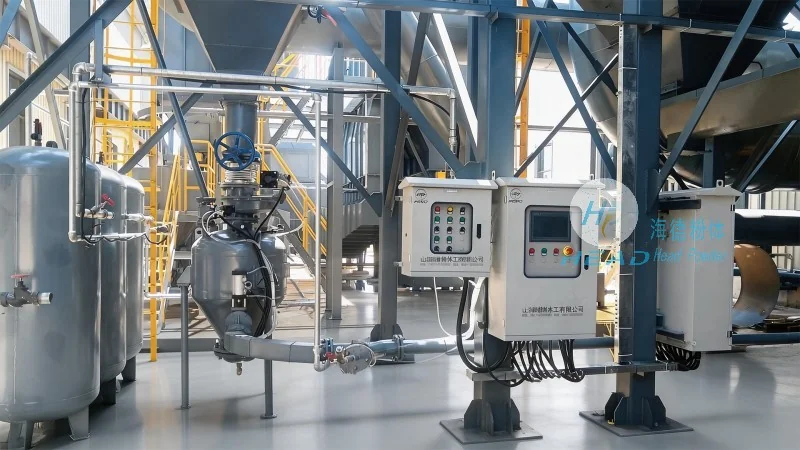
1. Pneumatic Conveying Systems
Pneumatic conveying is a widely used method for transporting dry desulfurizers, especially in applications where bulk materials need to be moved over moderate distances. This system utilizes compressed air or other gases to transport the desulfurizer particles through a pipeline. There are two main types of pneumatic conveying: pressure and vacuum systems. Pressure systems use positive pressure to push the material through the line, while vacuum systems use negative pressure to draw the material. The choice between these depends on factors such as the distance to be covered, the material's characteristics, and the required flow rate. Pneumatic conveying offers advantages like low maintenance, ability to handle abrasive materials, and flexibility in layout. However, it may have limitations regarding the maximum distance and material size, as well as the need for proper air filtration and moisture control to prevent system blockages or corrosion.
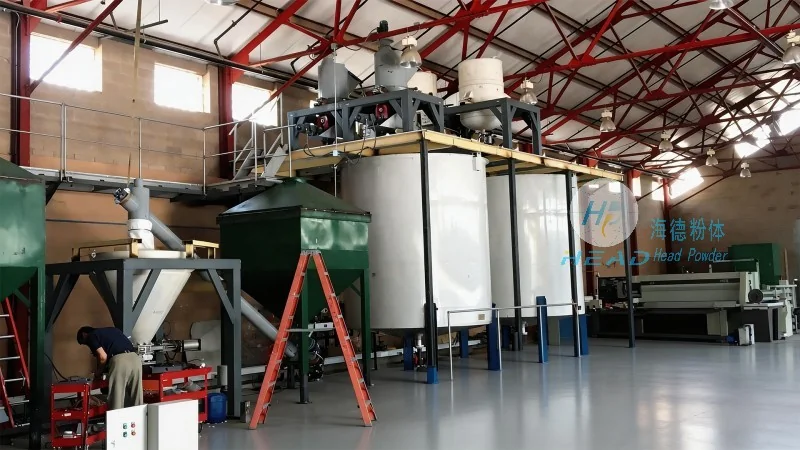
2. Screw Conveyors
Screw conveyors are another common method for transporting dry desulfurizers, particularly in applications requiring horizontal or slight incline movement. These systems consist of a rotating screw (or auger) inside a trough, which moves the material along the conveyor. Screw conveyors are known for their simplicity, low cost, and ability to handle a wide range of materials, including those with high moisture content or sticky properties. They are often used in situations where the material needs to be elevated or moved horizontally over short to medium distances. The main advantages of screw conveyors include low power consumption, minimal space requirements, and the ability to operate in a closed system to prevent dust emissions. However, they may not be suitable for very abrasive or large-sized desulfurizer particles, as this can lead to increased wear and tear on the screw and trough. Additionally, screw conveyors may experience clogging if the material is too fine or has high moisture content.
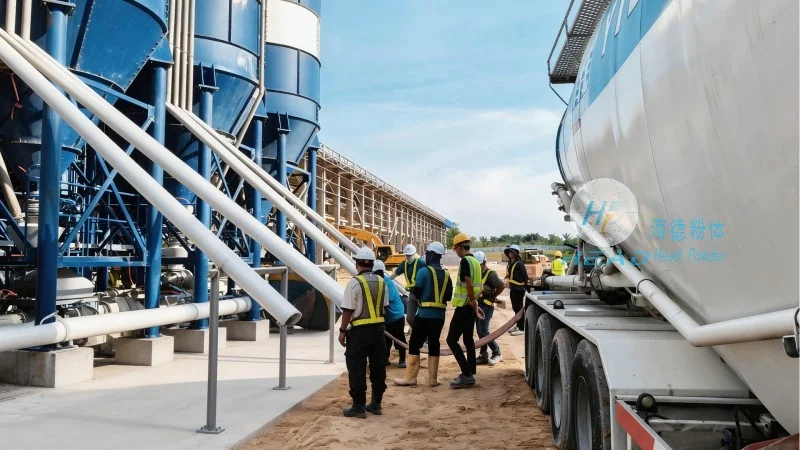
3. Belt Conveyors
Belt conveyors are widely employed in the transportation of dry desulfurizers, especially in large-scale industrial applications where high capacity and long-distance transport are required. These systems use a continuous belt that moves over rollers or pulleys to transport the material. Belt conveyors are capable of handling large volumes of desulfurizer and can cover long distances with relatively low energy consumption. They are particularly suitable for applications where the material needs to be moved over long horizontal distances or with a slight incline. The advantages of belt conveyors include high throughput, durability, and the ability to handle a variety of material sizes and shapes. However, they require more space compared to other systems, and maintenance costs can be higher due to the need for regular belt replacement and pulley maintenance. Additionally, belt conveyors may not be suitable for very fine or dusty materials, as this can cause belt wear and reduce efficiency.
4. Hydraulic Conveying
Hydraulic conveying is a less common but effective method for transporting dry desulfurizers, especially in applications where the material is highly abrasive or has a high moisture content. This system uses a liquid medium, typically water or a mixture of water and additives, to transport the desulfurizer particles through a pipeline. The liquid acts as a carrier, moving the material along the line under pressure. Hydraulic conveying offers advantages such as the ability to handle very fine or abrasive materials, reduced wear on the system components, and the ability to transport materials over long distances with minimal pressure drop. However, it has limitations, including the need for proper liquid management and filtration to prevent system blockages or corrosion. Additionally, hydraulic systems require more complex equipment and higher maintenance compared to pneumatic or mechanical systems.
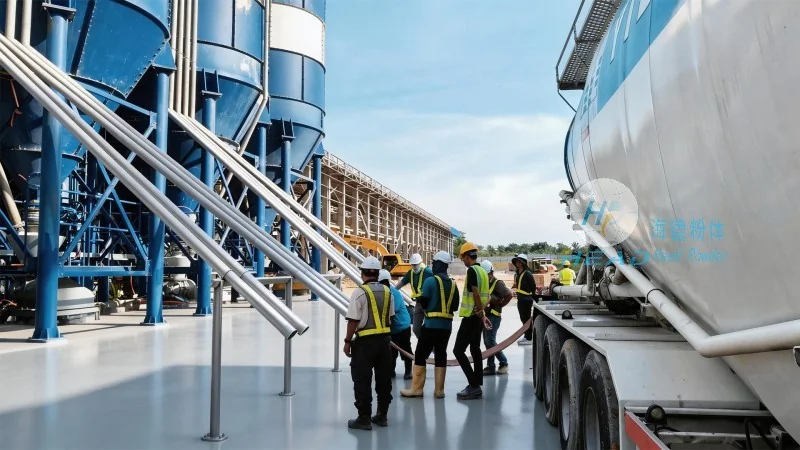
5. Comparison and Selection Criteria
When selecting a dry desulfurizer delivery method, several factors need to be considered to ensure the optimal choice for a specific application. These factors include the material characteristics (such as particle size, moisture content, and abrasiveness), the required transport distance and capacity, the available space and budget, and the environmental regulations. Pneumatic conveying is often preferred for moderate distances and moderate capacities, while screw and belt conveyors are suitable for shorter distances and higher capacities. Hydraulic conveying is typically used for specialized applications where other methods are not feasible. Shandong HeadPowder Engineering Co., Ltd. provides comprehensive solutions and expert advice to help clients choose the most appropriate delivery method based on their specific needs and operational requirements.




