Micropowder material pneumatic conveying systems represent a sophisticated technology used in industrial processes to transport fine powders efficiently. These systems are designed to handle materials with particle sizes typically ranging from a few microns to several hundred microns, which can pose unique challenges in traditional material handling due to their fine nature and potential for dust generation. The core principle of pneumatic conveying is to use a gas stream, often air or a combination of air and other gases, to transport the powder through a pipeline system. This method offers advantages such as reduced equipment wear, minimal product contamination, and the ability to handle materials that are difficult to transport via mechanical means.
Key Principles of Pneumatic Conveying for Micropowders
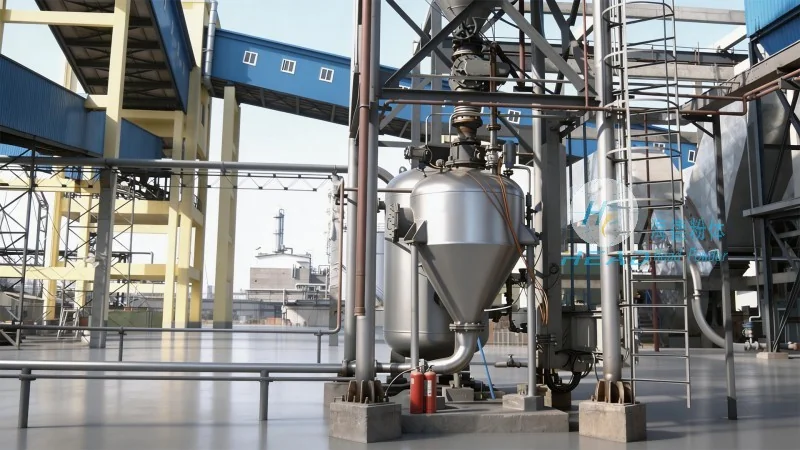
The fundamental principle of micropowder pneumatic conveying involves creating a flow of air or gas that lifts and transports the powder particles. This is achieved through various mechanisms, including pressure or vacuum systems. In pressure systems, compressed air is introduced at the inlet of the conveying line, creating a high-pressure environment that propels the powder forward. Vacuum systems, on the other hand, use a vacuum pump to create a low-pressure zone that draws the powder into the system. The choice between pressure and vacuum depends on factors such as the distance to be covered, the material's properties, and the system's overall design. For micropowders, the system must be carefully designed to prevent particle agglomeration and ensure consistent flow, as these fine particles are prone to sticking to surfaces or forming clumps.
Working Scene Characteristics and Applications
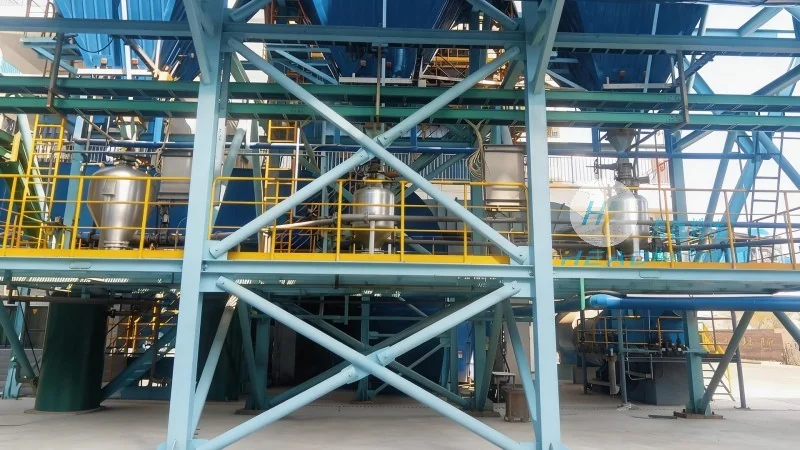
The working scene characteristics of micropowder pneumatic conveying systems are tailored to specific industrial environments where fine powders need to be transported. These systems are commonly used in industries such as pharmaceuticals, food processing, chemical manufacturing, and mining. In pharmaceutical applications, for example, the system must meet stringent hygiene and contamination control standards, ensuring that the powders are handled in a sterile environment. In food processing, the materials are often sensitive to moisture and temperature, requiring the system to maintain controlled conditions to preserve product quality. The versatility of pneumatic conveying allows it to adapt to various working scenarios, from short-distance transport within a facility to long-distance pipelines connecting different production units. The system's ability to handle a wide range of micropowders, including those with different densities and flow characteristics, makes it a preferred choice in many industrial settings.
Advantages and Considerations in Micropowder Pneumatic Conveying
One of the primary advantages of micropowder pneumatic conveying systems is their ability to minimize product contamination and maintain product integrity. Unlike mechanical conveying methods, which may involve direct contact with metal or other materials, pneumatic systems use enclosed pipelines, reducing the risk of cross-contamination. Additionally, the system's design allows for precise control over the flow rate and pressure, enabling consistent material delivery. However, there are also considerations to keep in mind. For instance, the system requires regular maintenance to prevent clogging and ensure optimal performance, especially when handling powders with high moisture content or those that tend to agglomerate. The energy consumption of pneumatic systems can also be higher compared to some mechanical alternatives, although advancements in technology have helped improve efficiency. Overall, the benefits of using pneumatic conveying for micropowders often outweigh the challenges, making it a reliable solution for many industrial applications.
About Shandong HeadPowder Engineering Co., Ltd.
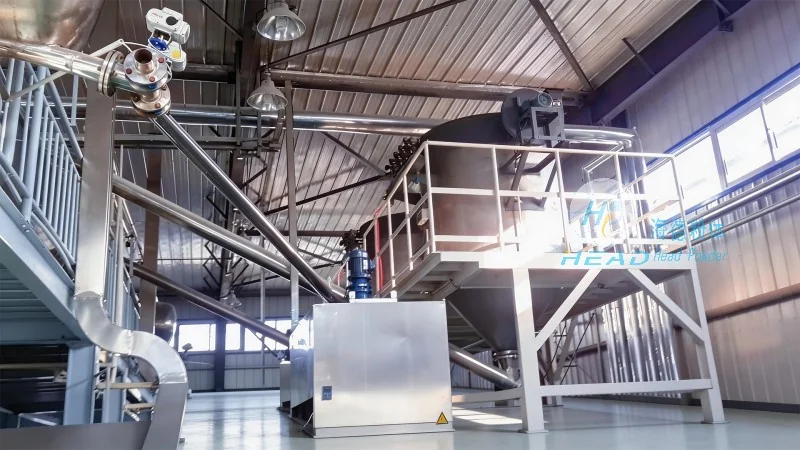
Shandong HeadPowder Engineering Co., Ltd., commonly known as headpowder, is a leading provider of advanced material handling solutions, specializing in the design and manufacturing of micropowder pneumatic conveying systems. With a focus on innovation and customer-centric solutions, the company has established itself as a trusted partner in the industry. HeadPowder's systems are engineered to meet the specific needs of various industries, ensuring efficient and reliable transport of fine powders. The company's commitment to quality and performance has earned it a reputation for delivering durable and efficient equipment that enhances productivity and reduces operational costs. HeadPowder's headquarters is located in Shandong, China, where the company leverages its expertise and resources to develop cutting-edge solutions for the global market.




