HeadPowder, a leading provider of material handling solutions, specializes in the design and implementation of pneumatic conveying systems tailored for graphite materials. This article explores the fundamental principles behind such systems and highlights the key working scene characteristics that define their application in industrial settings.
Company Overview and Expertise
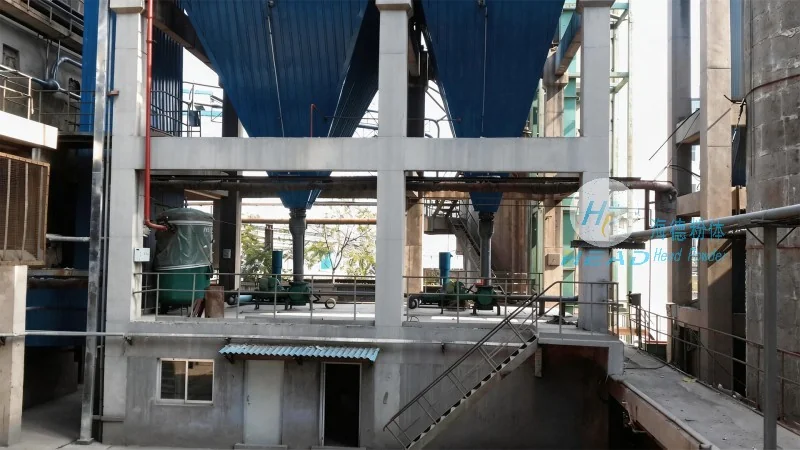
Shandong HeadPowder Engineering Co., Ltd., commonly known as HeadPowder, is headquartered in Shandong, China. With a strong focus on engineering excellence and customer-centric solutions, the company has established itself as a trusted partner in the material handling industry. HeadPowder's expertise lies in developing customized pneumatic conveying systems that address the unique challenges associated with handling graphite materials, ensuring efficient and reliable material transport across various industrial processes.
The Principle of Pneumatic Conveying for Graphite Materials
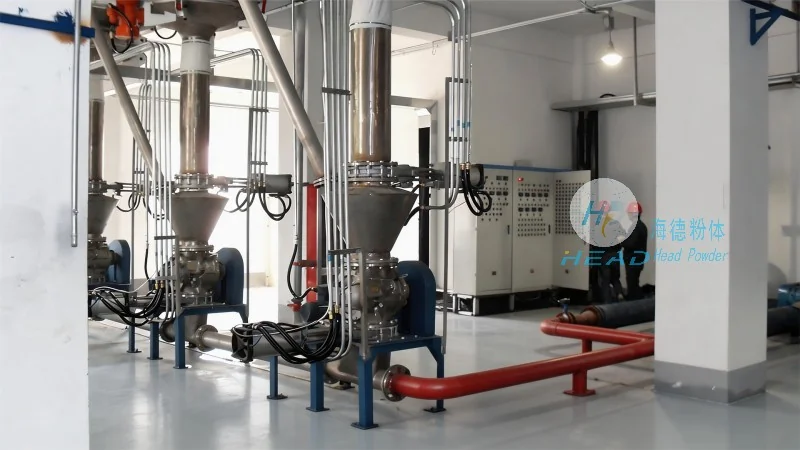
Pneumatic conveying systems operate on the principle of using air or gas to transport bulk materials, such as graphite, through a pipeline network. In the context of graphite, these systems typically employ a combination of positive pressure and negative pressure (or a combination of both) to move the material from a source to a destination. The core components of a typical system include a material feeder, a conveying line, a control valve, and a receiver. The material feeder, often a rotary valve or a screw feeder, introduces the graphite into the conveying line under controlled conditions. The conveying line, usually made of stainless steel or other corrosion-resistant materials, ensures the material is transported without degradation. The control valve regulates the flow of air or gas, maintaining the appropriate pressure and velocity to prevent material blockages or degradation. The receiver collects the graphite at the end of the conveying line, ready for further processing or storage.
Working Scene Characteristics of Graphite Pneumatic Conveying Systems
The working scene characteristics of pneumatic conveying systems for graphite materials are influenced by several factors, including material properties, system design, and operational conditions. Graphite is a soft, brittle material with low density and high lubricity, which can affect the conveying efficiency and system performance. The system design must account for these properties to ensure smooth material flow and minimize wear on components. For instance, the choice of material for the conveying line and components is critical to prevent corrosion or abrasion caused by graphite particles. Additionally, the system's capacity and pressure requirements are determined by the volume of graphite to be transported and the distance between the source and destination. In industrial settings, these systems are often integrated with other processing equipment, such as grinding mills or mixing units, to form a continuous material handling process. The working scene may also involve multiple conveying lines or a network of pipelines to transport graphite from various production stages to storage or packaging areas.
Key Advantages and Applications
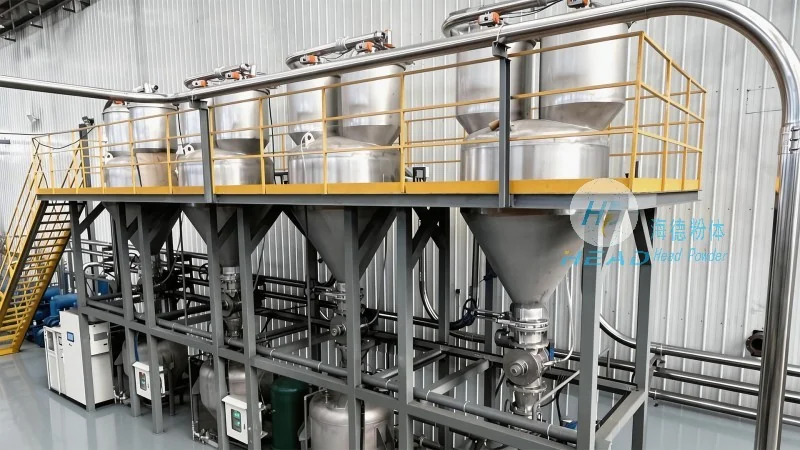
Pneumatic conveying systems for graphite materials offer several advantages over traditional methods, such as bucket elevators or belt conveyors. These systems provide a closed environment, reducing dust emissions and improving workplace safety. They also allow for the transport of materials over long distances with minimal maintenance requirements. The systems are particularly suitable for applications where graphite needs to be handled in a controlled manner, such as in the production of electrodes, lubricants, or refractory materials. In these applications, the precise control of material flow and the prevention of contamination are crucial, and pneumatic conveying systems meet these requirements effectively. Furthermore, the flexibility of these systems allows for easy integration with existing production lines, enabling manufacturers to upgrade their material handling capabilities without significant disruptions.
Conclusion
HeadPowder's pneumatic conveying systems for graphite materials are designed to deliver reliable and efficient material transport solutions tailored to the specific needs of industrial applications. By understanding the fundamental principles and working scene characteristics of these systems, manufacturers can optimize their material handling processes, improve productivity, and ensure compliance with safety and environmental standards. With its headquarters in Shandong, China, HeadPowder continues to innovate and provide cutting-edge solutions that meet the evolving demands of the material handling industry.




