

Operation Process and Working Principle of Coffee Powder Conveying Machine
Understanding the operation process and working principle of coffee powder conveying machines is essential for optimizing the efficiency and reliability of coffee processing operations. These specialized equipment are designed to handle the delicate nature of coffee powders, ensuring minimal degradation and consistent quality throughout the conveying process. As a key component in coffee production lines, coffee powder conveying machines play a vital role in transporting raw or ground coffee from storage to processing units, such as roasters or packaging systems. Shandong HeadPowder Engineering Co., Ltd., a leading manufacturer in the industry, specializes in developing and supplying high-quality coffee powder conveying machines that meet the demands of modern coffee processing facilities.
Overview of Coffee Powder Conveying Machines
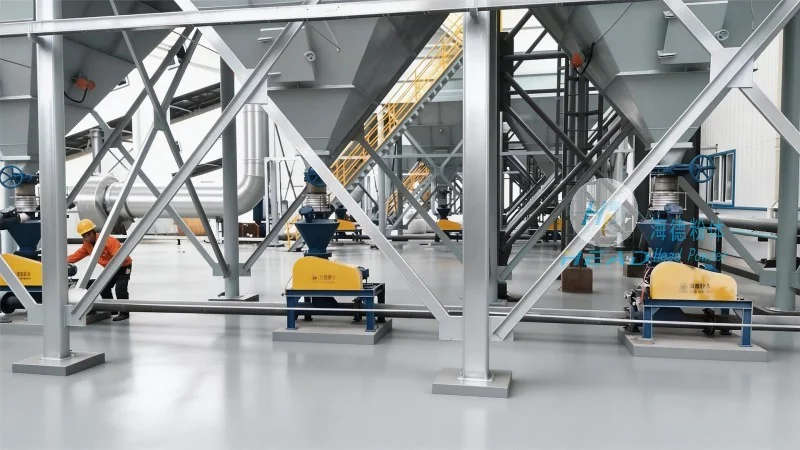
Coffee powder conveying machines, often referred to as coffee powder transport equipment, are engineered to handle the unique characteristics of coffee powders. These machines are typically equipped with features that prevent caking, agglomeration, or contamination, which are common challenges when handling fine powders. The design of these systems incorporates materials that are resistant to corrosion and wear, ensuring long-term durability and performance. By integrating advanced technologies, such as pneumatic or mechanical conveying methods, coffee powder conveying machines offer flexible and efficient solutions for various coffee processing applications.
Key Components and Their Functions
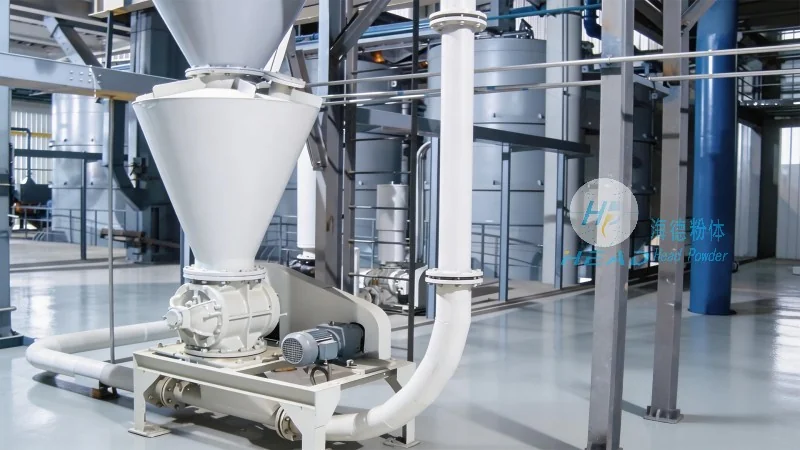
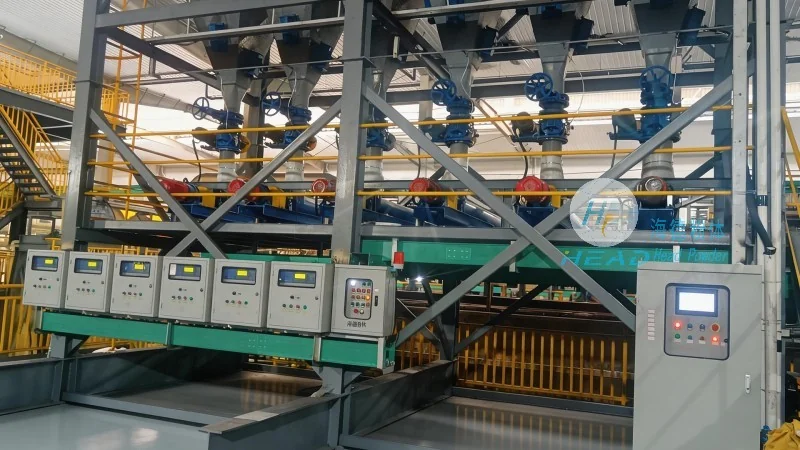
The operation of coffee powder conveying machines relies on several critical components that work in harmony to achieve efficient powder transport. The main components include the hopper, conveyor system, control panel, and discharge mechanism. The hopper is responsible for storing the coffee powder and feeding it into the conveying system. It is designed with smooth surfaces and sloped sides to prevent powder buildup and ensure uniform flow. The conveyor system, which may consist of pneumatic ducts, rotary valves, or screw conveyors, is the core of the machine. It uses air pressure or mechanical force to move the coffee powder from the hopper to the discharge point. The control panel allows operators to adjust parameters such as air pressure, speed, and flow rate, enabling precise control over the conveying process. The discharge mechanism, often a rotary valve or a venturi system, regulates the release of coffee powder into the next stage of the production line.
Operation Process of Coffee Powder Conveying Machines
The operation process of coffee powder conveying machines begins with the loading of coffee powder into the hopper. Once the hopper is filled, the system starts by activating the conveyor mechanism. For pneumatic conveying systems, compressed air is introduced into the ducts, creating a flow that carries the coffee powder particles through the system. The air pressure and velocity are carefully controlled to prevent particle damage and ensure consistent transport. The coffee powder then travels through the conveying lines, which may include bends, filters, or separators to remove any moisture or debris. The discharge mechanism then releases the coffee powder into the receiving container or processing unit. The entire process is monitored by the control panel, which provides real-time feedback on flow rates, pressure, and other critical parameters. Operators can adjust settings as needed to maintain optimal performance and prevent issues such as blockages or overloading.
Working Principle of Coffee Powder Conveying Machines
The working principle of coffee powder conveying machines is based on the principles of fluidization and pneumatic transport. In pneumatic conveying systems, the coffee powder is suspended in a stream of air, allowing it to be transported through the system without direct contact with the conveying components. This method is particularly effective for handling fine powders, as it minimizes friction and reduces the risk of particle degradation. The mechanical conveying systems, such as screw or belt conveyors, use mechanical force to move the coffee powder. These systems are often used for short-distance transport or when the powder is more cohesive. The working principle also involves the use of pressure differentials to create a flow of air or material, ensuring that the coffee powder moves from the source to the destination efficiently. The design of the conveying machine takes into account the specific properties of coffee powder, such as its particle size, density, and moisture content, to optimize the conveying process and prevent issues like caking or agglomeration.
Benefits and Applications of Coffee Powder Conveying Machines
Coffee powder conveying machines offer several benefits that enhance the efficiency and quality of coffee processing operations. These machines improve the accuracy and consistency of powder transport, reducing the risk of contamination and ensuring that the coffee powder reaches the processing stage in optimal condition. By minimizing manual handling, they also reduce the risk of human error and improve workplace safety. The flexibility of these systems allows them to be integrated into various coffee production lines, from small-scale roasting operations to large industrial facilities. Coffee powder conveying machines are widely used in coffee processing plants, where they are essential for transporting raw coffee beans, ground coffee, or instant coffee powders. They are also utilized in the packaging industry, where they help in transferring coffee powder into bags or containers. The reliability and efficiency of these machines contribute to overall production efficiency and cost savings, making them a valuable investment for coffee manufacturers.