At Shandong HeadPowder Engineering Co., Ltd., we specialize in the design and manufacturing of advanced powder conveying systems, including the silicon carbide powder conveying machine. This equipment is engineered to handle the unique challenges associated with transporting silicon carbide powder, a material widely used in various industrial applications due to its high hardness, thermal stability, and chemical resistance. The following sections will detail the operational process and underlying working principles of this critical machinery, highlighting its efficiency and reliability in material handling.
Key Components and Their Roles
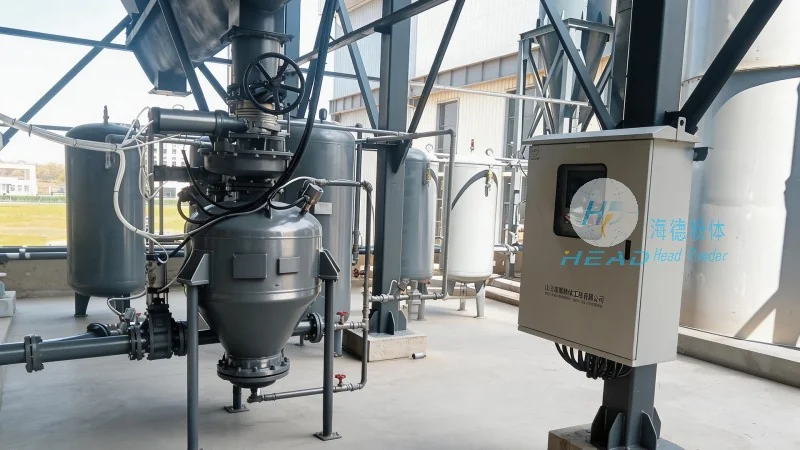
The silicon carbide powder conveying machine consists of several key components that work in tandem to ensure smooth and efficient material transport. These components include the hopper, feeding mechanism, conveyor system (such as screw or pneumatic conveyors), control panel, and discharge outlet. Each part plays a crucial role in the overall operation. The hopper is designed to store the silicon carbide powder, providing a stable feed source. The feeding mechanism, often a rotary valve or screw feeder, regulates the flow of powder into the conveyor system. The conveyor itself, which can be either mechanical (e.g., screw conveyor) or pneumatic (e.g., airlock or pressure vessel), moves the powder from the hopper to the discharge point. The control panel allows operators to monitor and adjust the system parameters, ensuring optimal performance. Finally, the discharge outlet delivers the processed powder to the next stage of production or storage.
Operation Process Step-by-Step
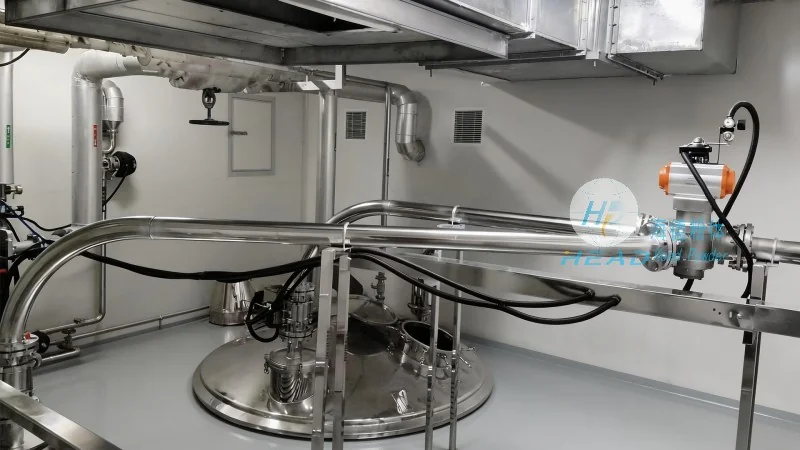
The operation of the silicon carbide powder conveying machine follows a systematic sequence of steps, each designed to maintain consistency and efficiency. The process begins with the loading of silicon carbide powder into the hopper. The powder is then fed into the conveyor system through the feeding mechanism, which controls the rate of material flow. The conveyor transports the powder through the system, ensuring it moves uniformly without clogging or segregation. The control panel continuously monitors the system's performance, adjusting parameters such as speed or pressure as needed. As the powder reaches the discharge outlet, it is collected and prepared for further processing or use. This step-by-step process minimizes downtime and maximizes throughput, making the machine ideal for high-volume production environments.
Working Principle: Mechanical and Pneumatic Systems
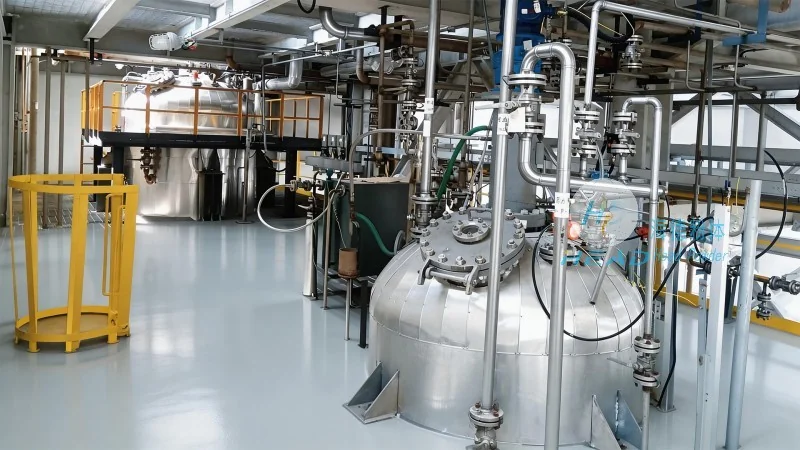
There are two primary types of silicon carbide powder conveying machines based on their operating principles: mechanical and pneumatic systems. Mechanical systems rely on physical force to move the powder, typically using screw conveyors or belt conveyors. The screw conveyor, for example, consists of a rotating screw inside a tube, which pushes the powder forward. This method is effective for handling bulk materials and is often preferred when the powder is not too fine or when the system requires a high degree of control over the flow rate. Pneumatic systems, on the other hand, use compressed air to transport the powder through a pipeline. The powder is suspended in the air stream and carried to the discharge point. This method is particularly suitable for fine powders that are prone to clogging in mechanical systems. Both systems operate on the principle of maintaining a consistent flow of material, with the control panel adjusting parameters to ensure smooth operation.
Advantages and Applications
The silicon carbide powder conveying machine offers several advantages that make it a preferred choice in industrial settings. Its ability to handle abrasive materials like silicon carbide reduces wear and tear on components, extending the equipment's lifespan. The system's efficiency in maintaining consistent flow rates ensures that downstream processes receive a uniform supply of material, improving product quality. Additionally, the machine's compact design and ease of maintenance make it suitable for various production environments. The applications of this equipment are diverse, including the production of refractory materials, abrasive tools, and semiconductor components. In the refractory industry, silicon carbide powder is used to manufacture high-temperature bricks and linings. In the abrasive industry, it is used to produce grinding wheels and sandpapers. In the semiconductor industry, it is used as a raw material for high-purity silicon carbide wafers. The versatility of the conveying machine makes it an essential tool in these and other industries.
Maintenance and Safety Considerations
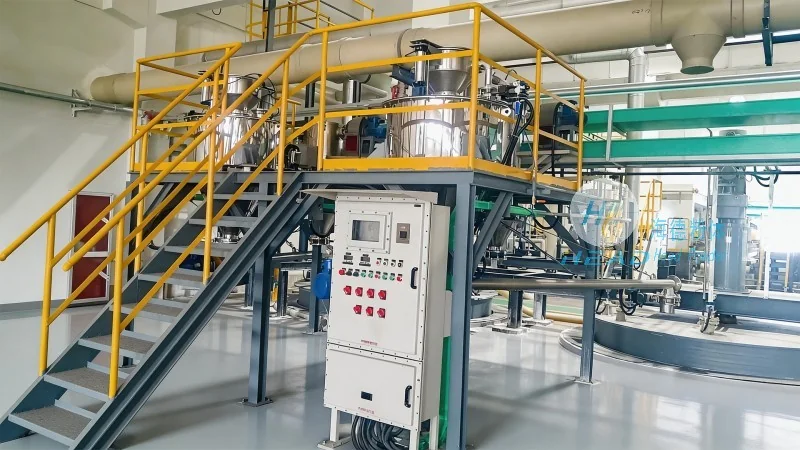
To ensure the long-term performance and safety of the silicon carbide powder conveying machine, regular maintenance is essential. This includes inspecting and cleaning the hopper and conveyor components to prevent clogging and material buildup. The feeding mechanism should be checked for wear and tear, and the conveyor's bearings should be lubricated regularly. The control panel and sensors should be tested to ensure they are functioning correctly. Safety considerations are also critical, as the machine handles abrasive materials that can cause injury if not handled properly. Operators should wear appropriate personal protective equipment (PPE), such as gloves and safety glasses, when operating the machine. The system should be equipped with emergency stop buttons and proper ventilation to prevent dust accumulation and potential explosions. By following these maintenance and safety guidelines, the machine can operate reliably and safely for extended periods.




