

Preventing Dust Leakage in Pneumatic Conveying Systems for Ferric Sulfate Transport
When operating pneumatic conveying systems to transport ferric sulfate, preventing dust leakage is a critical concern for maintaining operational efficiency and ensuring workplace safety. Ferric sulfate, a common chemical used in water treatment and industrial processes, can generate fine particles that pose health risks and environmental hazards if not properly contained. This article explores effective strategies and best practices implemented by Shandong HeadPowder Engineering Co., Ltd. to mitigate dust leakage during the transport of ferric sulfate, highlighting key components and operational measures that enhance system reliability.
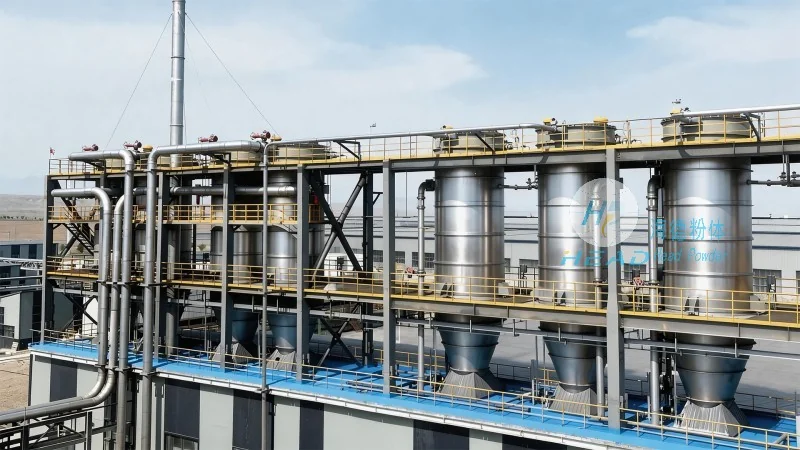
Understanding the Challenges of Ferric Sulfate Transport
Ferric sulfate, also known as iron(III) sulfate, is a hygroscopic material that readily absorbs moisture from the air, leading to increased dust generation when handled. In pneumatic conveying systems, the material is transported through a pipeline using compressed air, which can cause particles to become airborne and escape from the system if proper sealing and filtration are not in place. The primary challenges include material attrition during transport, inadequate sealing at joints and connections, and insufficient filtration of exhaust air. These factors contribute to dust leakage, which not only reduces material efficiency but also poses health risks such as respiratory issues for workers and potential environmental contamination.
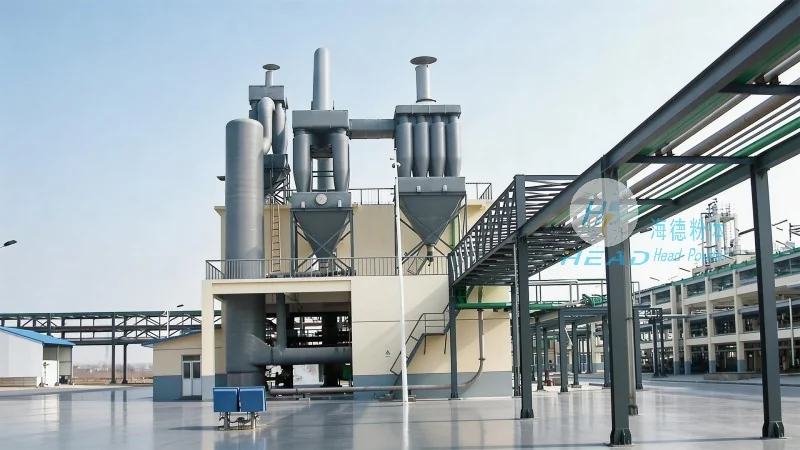
Key Components for Dust Leakage Prevention
Shandong HeadPowder Engineering Co., Ltd. employs several critical components to prevent dust leakage in pneumatic conveying systems for ferric sulfate. First, high-quality sealing mechanisms are installed at all system joints, including elbows, tees, and valves. These seals are designed to withstand the abrasive nature of ferric sulfate and maintain a tight fit under varying pressure conditions. Additionally, the system incorporates advanced filtration systems, such as cartridge filters or bag filters, to capture any airborne particles before they exit the conveying line. The filtration media is selected based on the particle size and density of ferric sulfate, ensuring high efficiency in capturing fine dust particles. Another essential component is the use of positive pressure control, where the system maintains a slight overpressure to prevent external air from entering and carrying dust particles into the environment.
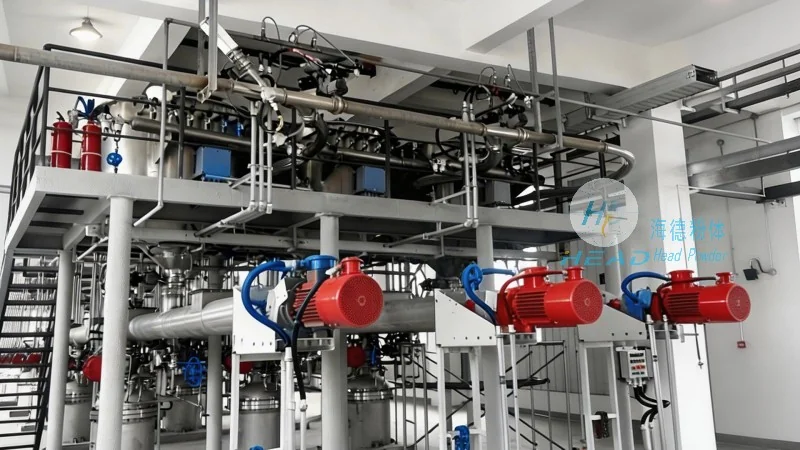
Operational Measures to Enhance System Performance
Beyond hardware components, operational measures play a vital role in preventing dust leakage. Regular maintenance is crucial, including periodic inspection of seals, filter replacements, and cleaning of system components to remove accumulated material. The system is designed with a monitoring system that tracks pressure differentials and air flow rates, alerting operators to any deviations that may indicate a potential leak. Additionally, proper material handling practices, such as avoiding sudden pressure changes or excessive vibration, help minimize particle breakage and reduce dust generation. Training for operators on the proper use of the system and emergency procedures further ensures that dust leakage is addressed promptly and effectively.
Case Study: Successful Implementation by Shandong HeadPowder Engineering Co., Ltd.
Shandong HeadPowder Engineering Co., Ltd. has successfully implemented dust leakage prevention strategies in multiple industrial applications. For example, in a water treatment facility, the company designed a pneumatic conveying system that transports ferric sulfate from storage silos to dosing points. By integrating high-quality seals, advanced filtration, and positive pressure control, the system achieved a dust leakage rate of less than 0.1% of the total material, significantly reducing health risks and operational costs. The facility reported improved worker safety and reduced environmental compliance issues, demonstrating the effectiveness of the implemented measures. This case study highlights the importance of a comprehensive approach to dust control, combining robust hardware with diligent operational practices.
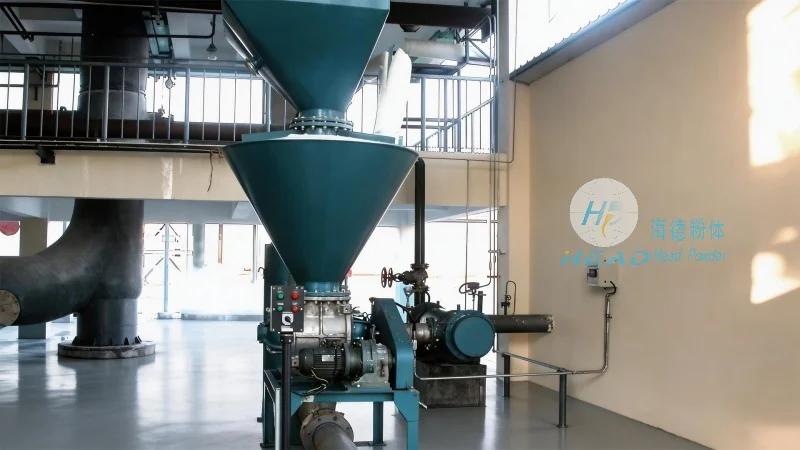
Conclusion: Ensuring Safe and Efficient Ferric Sulfate Transport
Preventing dust leakage in pneumatic conveying systems for ferric sulfate requires a combination of advanced technology, proper design, and consistent operational practices. Shandong HeadPowder Engineering Co., Ltd. demonstrates expertise in addressing these challenges through its commitment to quality and innovation. By implementing high-quality sealing systems, efficient filtration, and positive pressure control, along with regular maintenance and operator training, the company ensures that pneumatic conveying systems operate safely and efficiently, minimizing dust leakage and protecting both workers and the environment. For industries relying on ferric sulfate, partnering with a specialized engineering firm like Shandong HeadPowder Engineering Co., Ltd. is essential to achieve reliable and safe material transport.