

Principle and Application Scenarios of Chloroprene Rubber Pneumatic Conveying
Chloroprene rubber, also known as neoprene, is a synthetic polymer widely used in industrial applications due to its excellent resistance to oil, chemicals, and weathering. Pneumatic conveying is a key method for transporting this material efficiently and safely. This article explores the fundamental principles behind chloroprene rubber pneumatic conveying and highlights the specific characteristics of its operational scenarios.
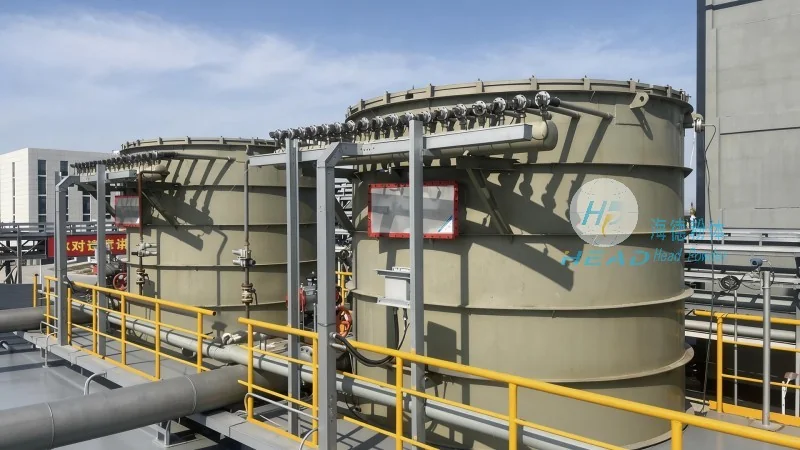
Understanding the Core Principles of Chloroprene Rubber Pneumatic Conveying
The process of pneumatic conveying involves transporting bulk materials like chloroprene rubber through a pipeline using air or gas as the conveying medium. It operates on the principle of creating a pressure differential between the conveying line and the ambient environment. By generating a vacuum or pressure within the pipeline, the material is drawn or pushed through the system. For chloroprene rubber, which can be abrasive and require gentle handling, the choice of conveying system is critical. The most common types include pressure and vacuum systems, each with distinct advantages depending on the material characteristics and distance of transport.
Key Components and Mechanisms in Chloroprene Rubber Pneumatic Conveying Systems
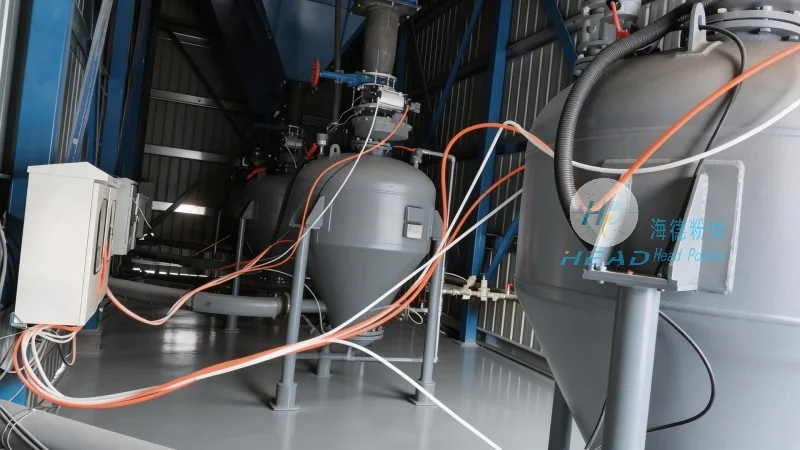
A typical pneumatic conveying system for chloroprene rubber consists of several essential components. These include a hopper or feeder to control the material flow, a conveying line (often made of corrosion-resistant materials like stainless steel or special polymers to withstand the rubber's properties), a blower or compressor to generate the air flow, and a receiver or silo to collect the material at the destination. The feeder is designed to minimize material degradation and ensure consistent flow, which is crucial for maintaining the quality of chloroprene rubber. The conveying line must be carefully selected to prevent abrasion and contamination, as even minor damage can affect the rubber's properties. The blower or compressor provides the necessary pressure or vacuum to move the material through the system, with the speed and pressure adjusted based on the material's density and particle size.
Application Scenarios and Operational Characteristics
The operational scenarios for chloroprene rubber pneumatic conveying vary based on the specific requirements of the industrial process. For example, in manufacturing facilities where chloroprene rubber is used to produce adhesives, sealants, or industrial products, the material needs to be transported from storage silos to processing equipment. In such cases, a pressure system is often preferred because it allows for direct feeding into high-pressure mixing or extrusion equipment. The pressure system operates by using a positive pressure blower to push the material through the pipeline, ensuring a continuous and controlled flow. This method is particularly effective for short to medium distances and when the material is in a dry, free-flowing state.
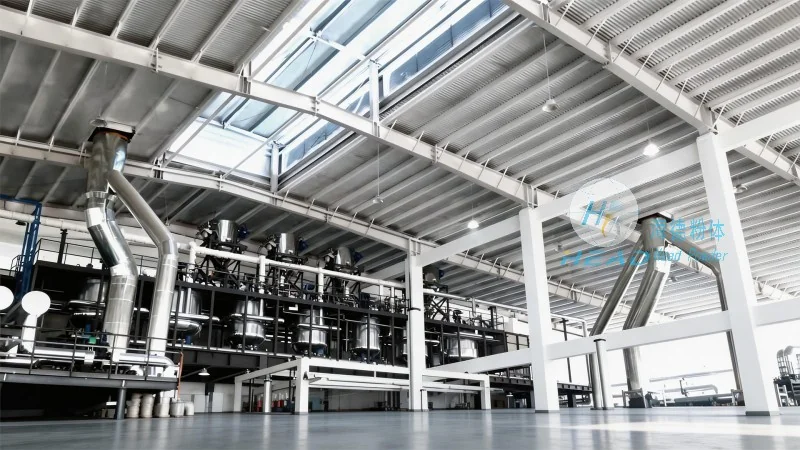
Vacuum systems, on the other hand, are commonly used when the material needs to be transported from a lower elevation to a higher one or when the material is more sensitive to pressure changes. The vacuum system creates a negative pressure in the pipeline, drawing the material from the source to the destination. This approach is ideal for applications where the material is stored in a hopper or bin and needs to be conveyed to a processing unit located above. The vacuum system also helps in reducing dust emissions and improving safety, as the material is contained within the pipeline rather than being exposed to the environment.
Advantages and Considerations for Chloroprene Rubber Pneumatic Conveying
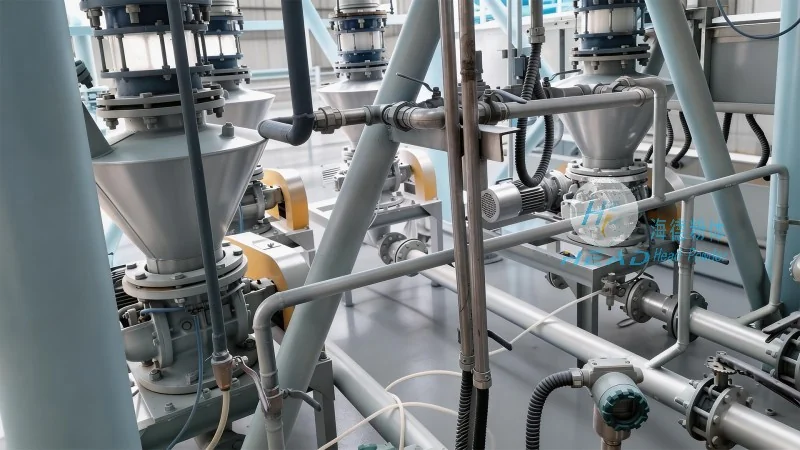
Implementing pneumatic conveying for chloroprene rubber offers several advantages. One of the primary benefits is the ability to transport the material in a closed system, which minimizes dust exposure and improves workplace safety. This is particularly important for chloroprene rubber, which can generate fine particles that may be harmful if inhaled. Additionally, pneumatic conveying allows for precise control over the material flow rate, ensuring consistent quality in downstream processes. The system also reduces the need for manual handling, which can be labor-intensive and increase the risk of accidents. However, there are also considerations to keep in mind. For instance, the cost of the equipment and maintenance can be higher compared to other conveying methods. The system requires regular cleaning to prevent material buildup and clogging, especially if the rubber is sticky or has a tendency to agglomerate. Furthermore, the energy consumption of the blower or compressor needs to be managed to ensure efficiency and reduce operational costs.
Case Study: HeadPowder's Expertise in Chloroprene Rubber Pneumatic Conveying Solutions
Shandong HeadPowder Engineering Co., Ltd. specializes in providing customized pneumatic conveying solutions tailored to the unique needs of industries handling chloroprene rubber. With years of experience in the field, HeadPowder has developed advanced systems that address the specific challenges of transporting this material. The company's solutions include specialized hoppers and feeders designed to handle the abrasive nature of chloroprene rubber, ensuring minimal wear and tear on the equipment. The conveying lines are constructed from high-quality materials that resist corrosion and abrasion, maintaining the integrity of the rubber throughout the process. HeadPowder also offers comprehensive maintenance and support services to ensure the longevity and efficiency of the systems. By leveraging their expertise, industries can optimize their chloroprene rubber handling processes, reducing downtime and improving overall productivity.