

Principle and Working Scene Characteristics of Dry Pebble Pneumatic Conveying
Pneumatic conveying systems have become a vital component in material handling across various industries, particularly for transporting dry pebbles and similar bulk materials. This technology offers an efficient, dust-free, and flexible solution for moving pebbles from one location to another, making it indispensable in mining, construction, and industrial processing sectors. Understanding the principles and characteristics of dry pebble pneumatic conveying is crucial for optimizing material transport processes and enhancing operational efficiency.
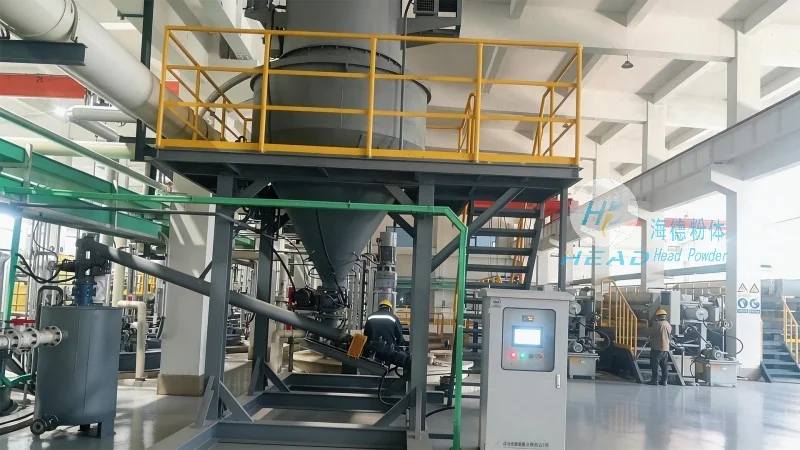
The Working Principle of Pneumatic Conveying for Dry Pebbles
At its core, dry pebble pneumatic conveying operates by using air pressure to transport materials through a pipeline system. The process typically involves several key components: a hopper for material storage, a feeder to control the flow of pebbles into the system, a conveying line where the pebbles are propelled by air, and a receiver for the material at the destination. The system can function in either positive or negative pressure modes. In positive pressure systems, air is forced through the pipeline, pushing the pebbles forward. In negative pressure systems, air is drawn out of the line, creating a vacuum that pulls the material. The choice between these modes depends on factors such as the distance, material properties, and system design requirements.
Key Working Scene Characteristics and Applications
The effectiveness of dry pebble pneumatic conveying is defined by several characteristics that make it suitable for specific working environments. One of the primary advantages is its ability to handle abrasive materials like pebbles without causing wear and tear on the system components. This is achieved through the use of robust materials for the conveying line and appropriate air flow management. Another critical characteristic is the system's flexibility in terms of layout and installation. It can be adapted to various spatial configurations, including vertical and horizontal transport, making it ideal for both indoor and outdoor applications. Additionally, the technology provides a dust-free operation, which is essential for maintaining a safe and healthy working environment, especially in industrial settings where dust can be a health hazard.
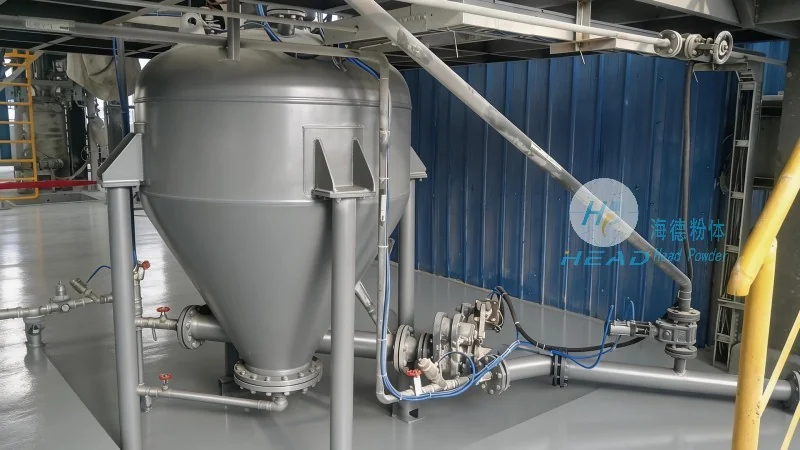
About Shandong HeadPowder Engineering Co., Ltd.
Shandong HeadPowder Engineering Co., Ltd. specializes in the design, manufacturing, and installation of advanced pneumatic conveying systems tailored for dry pebble transport. With years of experience in the field, the company has developed a deep understanding of the technical and operational aspects of such systems. Their expertise ensures that each system is customized to meet the specific needs of clients, whether it's for short-distance transport within a facility or long-distance movement across different sites. The company's commitment to quality and innovation has made them a trusted partner in the industry, providing reliable solutions that enhance productivity and safety.
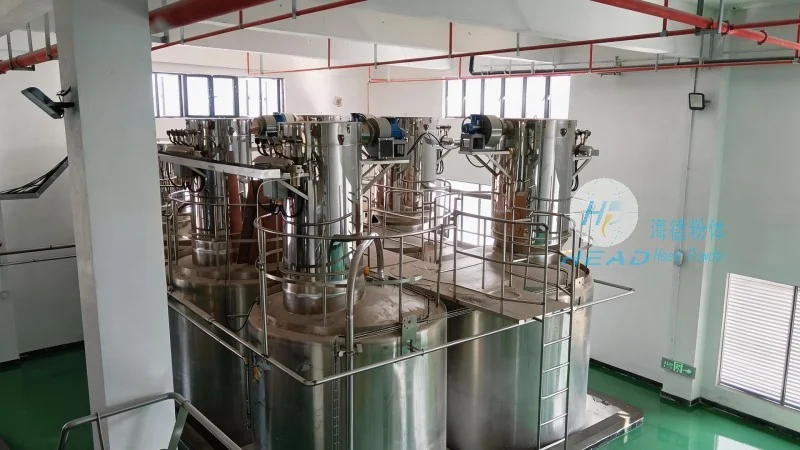
Technical Advantages and Practical Implementation
Implementing dry pebble pneumatic conveying offers numerous technical advantages that contribute to improved operational performance. One of the most significant benefits is the reduction in labor costs associated with manual handling of bulk materials. By automating the transport process, companies can minimize the need for manual labor, leading to cost savings and increased efficiency. Furthermore, the system's ability to operate continuously without interruption allows for consistent material flow, which is crucial for maintaining production schedules. Another advantage is the reduced risk of material contamination, as the enclosed system prevents exposure to external elements and contaminants.
In practical terms, the implementation of a dry pebble pneumatic conveying system involves careful planning and engineering. The system design must consider factors such as the material's density, particle size, and moisture content, as these affect the air flow requirements and system performance. Proper sizing of the conveying line, air compressor, and feeder is essential to ensure optimal operation. Regular maintenance and monitoring are also critical to prevent system failures and ensure long-term reliability. Shandong HeadPowder Engineering Co., Ltd. provides comprehensive support throughout the entire process, from initial consultation and system design to installation and after-sales service, ensuring that clients achieve the best possible results.