High-alumina fly ash, a byproduct of coal combustion, poses unique challenges in material handling due to its chemical and physical properties. The efficient and safe transport of this material is crucial for industrial applications, particularly in power plants and cement production facilities. This article explores the underlying principles of high-alumina fly ash material handling equipment and highlights the key characteristics of its operational scenarios, providing insights into how such systems enhance process efficiency and operational safety.
About Shandong HeadPowder Engineering Co., Ltd.
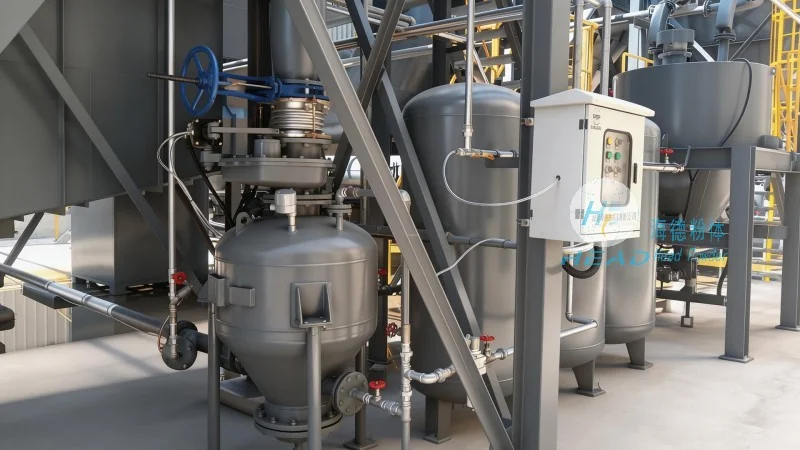
HeadPowder, a leading manufacturer in the field of material handling solutions, specializes in developing customized equipment for handling challenging materials like high-alumina fly ash. With a strong focus on engineering excellence and customer-centric design, HeadPowder has established itself as a trusted partner for industries requiring reliable and efficient material transport systems. The company’s headquarters is located in Shandong, China, where its team of experts leverages years of experience to deliver innovative solutions tailored to specific industrial needs.
The Principle of High-Alumina Fly Ash Material Handling Equipment
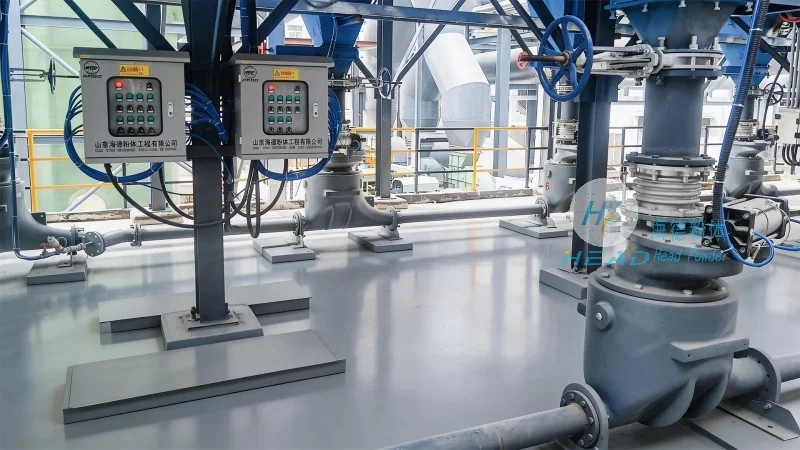
High-alumina fly ash material handling equipment operates on principles tailored to the material’s characteristics. The primary goal is to ensure smooth, continuous transport while minimizing material degradation and equipment wear. Key components and mechanisms include: conveyor systems, such as belt conveyors or screw conveyors, which are designed to handle the abrasive and potentially sticky nature of high-alumina fly ash. These systems often incorporate special materials for the conveyor belt or screw, such as rubber or metal alloys, to resist wear and prevent material buildup. Additionally, air-assisted transport methods, like pneumatic conveyors, may be employed for more delicate or fine-grained ash, where the material is suspended in air and transported through pipelines. The design of these systems takes into account factors like ash density, moisture content, and particle size distribution to optimize performance and ensure reliable operation.
Working Scene Characteristics of High-Alumina Fly Ash Material Handling Equipment
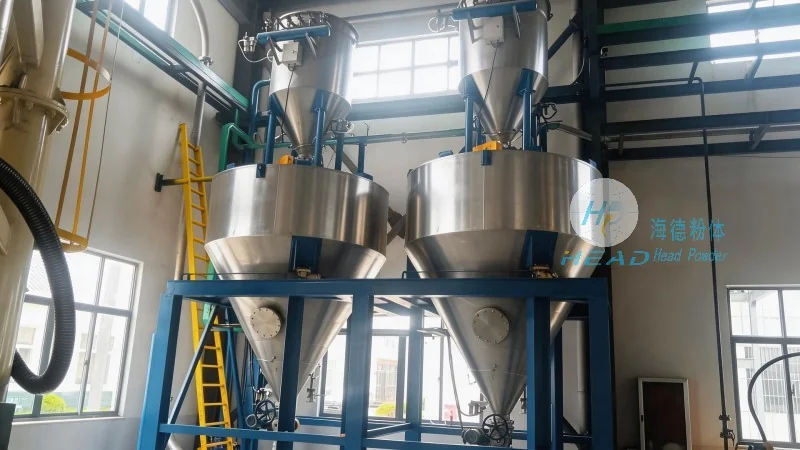
The operational scenarios for high-alumina fly ash material handling equipment vary widely depending on the industrial application. In power plants, for instance, the equipment is typically used to transport fly ash from the boiler to storage silos or for further utilization in cement production. The working environment in such settings is often characterized by high temperatures, dust, and the need for continuous operation, demanding equipment that can withstand harsh conditions while maintaining efficiency. In cement factories, the equipment may be integrated into the raw material processing line, where high-alumina fly ash is used as a supplementary cementitious material. Here, the focus is on precise dosing and consistent material flow to ensure the quality of the final cement product. Other industrial applications, such as in the production of building materials or in waste management facilities, also utilize these systems for the handling of high-alumina fly ash. The key characteristics of these working scenes include: high throughput requirements, continuous operation, and the need for environmental compliance, as the handling of fly ash must adhere to strict regulations regarding dust control and emissions. HeadPowder’s equipment is designed to meet these diverse requirements, offering flexible solutions that adapt to the specific demands of each operational scenario.
Conclusion
High-alumina fly ash material handling equipment is a critical component in industries that rely on the efficient processing of this valuable byproduct. By understanding the underlying principles of these systems and the characteristics of their operational environments, industries can select and implement equipment that maximizes productivity, ensures safety, and adheres to regulatory standards. HeadPowder, with its expertise in material handling solutions, continues to provide innovative and reliable equipment tailored to the unique needs of high-alumina fly ash transport, supporting the sustainable development of industrial processes.




