For industries dealing with ceramic materials, efficient and reliable material handling is crucial for maintaining production efficiency and product quality. Ceramic material handling equipment, as a specialized type of industrial machinery, plays a vital role in the entire production process. This equipment is designed to transport, store, and manage ceramic raw materials and finished products with precision and safety. Understanding its working principles and application scenarios is essential for optimizing production lines and ensuring smooth operational workflows.
Working Principles of Ceramic Material Handling Equipment
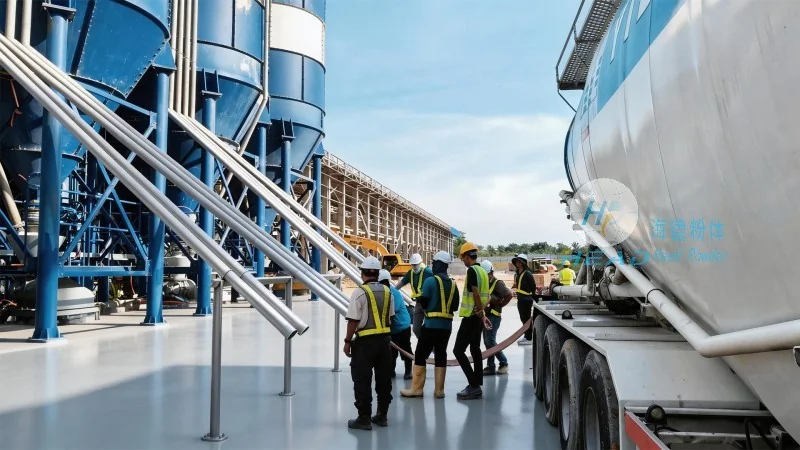
The core working principle of ceramic material handling equipment revolves around mechanical movement and control systems. These systems typically include conveyor belts, hoists, and automated sorting mechanisms. The equipment operates by converting electrical energy into mechanical energy to move ceramic materials from one location to another. Key components such as motor drives, control panels, and sensors ensure precise control over the movement speed and direction. For example, conveyor belts use rollers or chains to transport ceramic items, while hoists utilize pulleys and cables to lift and lower materials vertically. The integration of these components allows for seamless material flow, reducing manual labor and minimizing the risk of material damage during transport.
Key Features and Technical Advantages
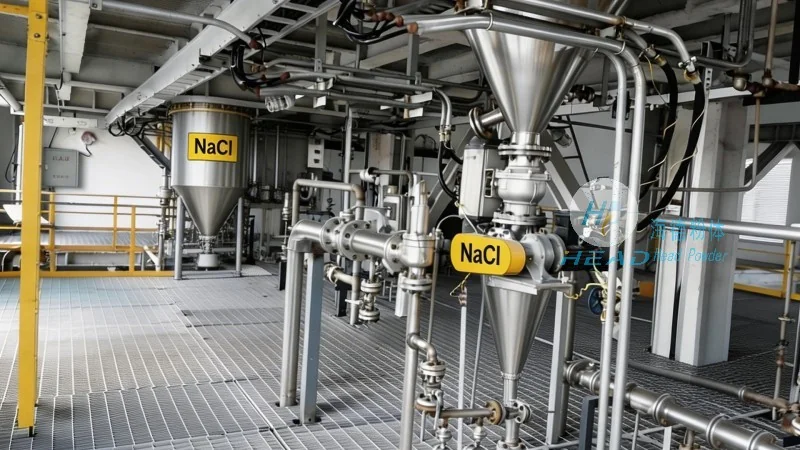
Ceramic material handling equipment from Shandong HeadPowder Engineering Co., Ltd. is engineered with several advanced features that enhance performance and durability. These features include high-strength materials resistant to abrasion and corrosion, which are essential for handling ceramic materials that can be hard and abrasive. The equipment also incorporates intelligent control systems that allow for real-time monitoring and adjustment of operational parameters. This ensures optimal performance under varying production loads and environmental conditions. Additionally, the design emphasizes safety, with features like emergency stop buttons and protective enclosures to prevent accidents and protect operators. The robust construction and advanced technology make this equipment suitable for long-term use in demanding industrial environments.
Application Scenarios in Different Industries
The versatility of ceramic material handling equipment makes it applicable across multiple industries. In the ceramics manufacturing sector, it is commonly used in factories for transporting raw clay, glazes, and finished ceramic products. For instance, in tile production lines, the equipment efficiently moves large ceramic tiles from the molding stage to the drying and firing processes. In the sanitary ware industry, it handles heavy ceramic bathroom fixtures, ensuring safe and efficient movement between production stages. Furthermore, in the electronics and aerospace industries, where ceramic components are used, this equipment is used to transport delicate ceramic parts with precision, minimizing the risk of damage. The adaptability of the equipment allows it to be customized for specific production needs, making it a valuable asset in various industrial settings.
Operational Efficiency and Cost Benefits
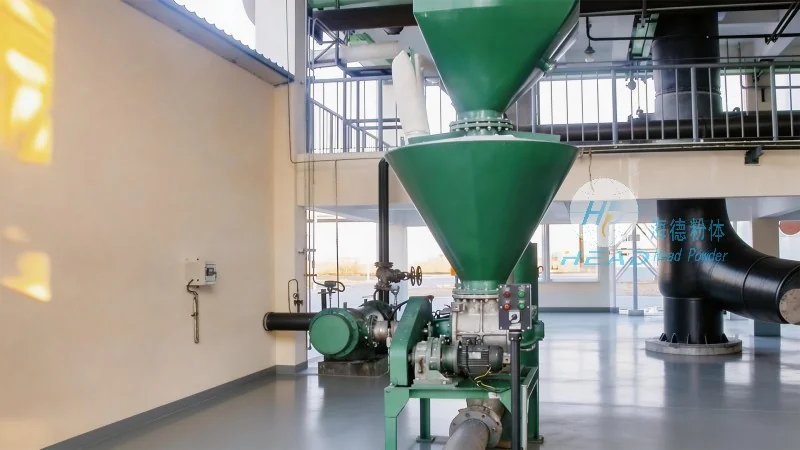
Implementing ceramic material handling equipment can significantly improve operational efficiency and reduce costs for businesses. By automating material transport, companies can reduce the need for manual labor, leading to lower labor costs and improved safety. The equipment's ability to handle large volumes of materials quickly and accurately minimizes production downtime and increases overall output. Additionally, the precise control over material movement reduces material waste and damage, which in turn lowers material costs. The long service life and low maintenance requirements of high-quality equipment further contribute to cost savings over time. For example, a well-designed conveyor system can operate continuously for extended periods with minimal downtime, ensuring consistent production flow and meeting customer demand efficiently.
Customization and Integration with Production Lines
Shandong HeadPowder Engineering Co., Ltd. offers customized solutions tailored to the specific requirements of each client. The company's expertise allows for the design and manufacturing of equipment that integrates seamlessly with existing production lines. This customization includes adjusting conveyor lengths, speeds, and load capacities to match the production volume and material characteristics. The equipment can also be integrated with other industrial systems, such as automated sorting and quality control machines, to create a fully automated material handling system. This integration enhances overall operational efficiency and reduces the need for manual intervention. The company's commitment to customer needs ensures that the equipment not only meets current production requirements but also supports future expansion and technological advancements.




