

What is the pneumatic conveying equipment for potassium carbonate fertilizer? What are its design pr
When it comes to handling potassium carbonate fertilizer, the choice of material handling equipment is critical for efficiency and safety. Pneumatic conveying systems have emerged as a preferred solution for transporting this type of material due to their ability to handle fine powders and granules with minimal dust generation and high throughput. This article explores the design principles and operational aspects of pneumatic conveying equipment specifically tailored for potassium carbonate fertilizer, highlighting the key features that make such systems effective in industrial applications.
Understanding the Core Components of Pneumatic Conveying Systems
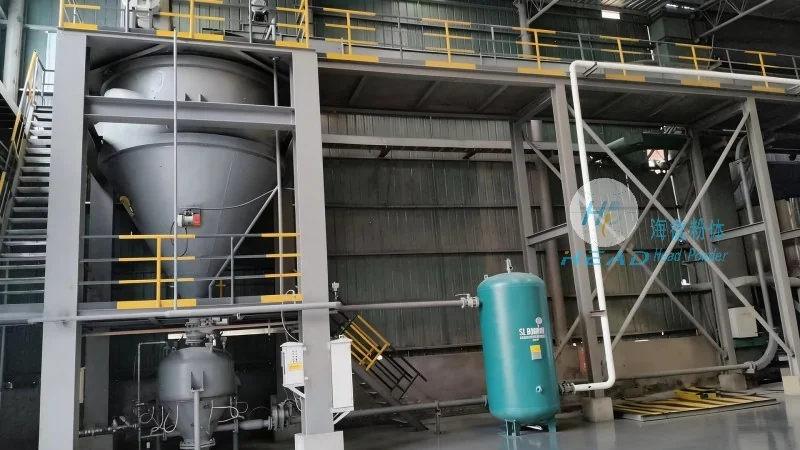
A pneumatic conveying system for potassium carbonate fertilizer typically consists of several key components that work in tandem to ensure reliable material transport. The primary elements include a feeding hopper, a conveying line (often equipped with air ducts), a pressure or vacuum source, and a discharge unit. The feeding hopper is designed to store and meter the fertilizer, ensuring a consistent flow into the system. The conveying line, which may be made of stainless steel or other corrosion-resistant materials, is crucial for maintaining the integrity of the material and preventing contamination. The pressure or vacuum source provides the necessary force to move the material through the line, while the discharge unit collects the fertilizer at the destination point. Each component is engineered to handle the specific properties of potassium carbonate fertilizer, such as its particle size, moisture content, and chemical stability.
Design Principles for Efficient Pneumatic Conveying
The design of pneumatic conveying equipment for potassium carbonate fertilizer is guided by several fundamental principles aimed at optimizing performance and minimizing operational issues. One of the key principles is the selection of the appropriate conveying method—either pressure or vacuum. Pressure systems use compressed air to push the material forward, which is suitable for short to medium distances and high material loads. Vacuum systems, on the other hand, use a vacuum to pull the material, making them ideal for longer distances or when the material needs to be transported from multiple sources. The choice between these methods depends on factors like the distance between the source and destination, the volume of material to be transported, and the specific characteristics of the fertilizer. Another critical design principle is the velocity of the air flow. Maintaining an optimal air velocity is essential to prevent material settling or blockages in the conveying line. Too low a velocity can cause the material to settle, while too high a velocity can lead to excessive wear on the equipment and higher energy consumption. Engineers often use computational fluid dynamics (CFD) simulations to model the flow and determine the ideal air velocity for a given system. Additionally, the system design incorporates features like bends, elbows, and expansion joints to accommodate changes in direction and pressure, ensuring smooth material flow and preventing wear and tear on the components.
Advantages of Pneumatic Conveying for Potassium Carbonate Fertilizer
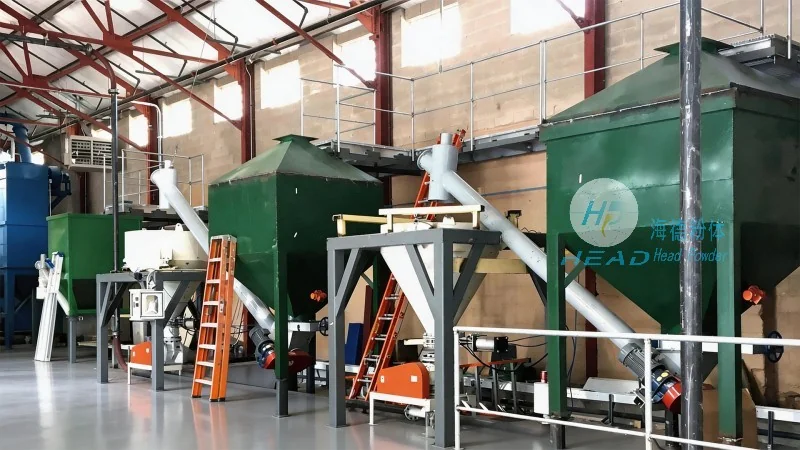
Compared to traditional mechanical conveying methods, pneumatic conveying offers several advantages when handling potassium carbonate fertilizer. One of the most significant benefits is the ability to transport the material in a closed system, which minimizes dust emissions and improves workplace safety. This is particularly important for potassium carbonate, as it can be a respiratory irritant if inhaled in large quantities. The closed system also helps maintain the quality of the fertilizer by preventing contamination from external sources and reducing moisture absorption. Another advantage is the high throughput capacity of pneumatic systems, which can handle large volumes of material quickly and efficiently. This is essential for industrial operations where large-scale production and distribution are required. Additionally, pneumatic conveying systems are relatively easy to install and maintain, with modular components that can be replaced or upgraded as needed. The flexibility of these systems also allows for easy integration with other processing equipment, such as storage silos, mixers, and packaging machines. This integration enhances overall operational efficiency and reduces downtime.
Application Scenarios and Operational Considerations
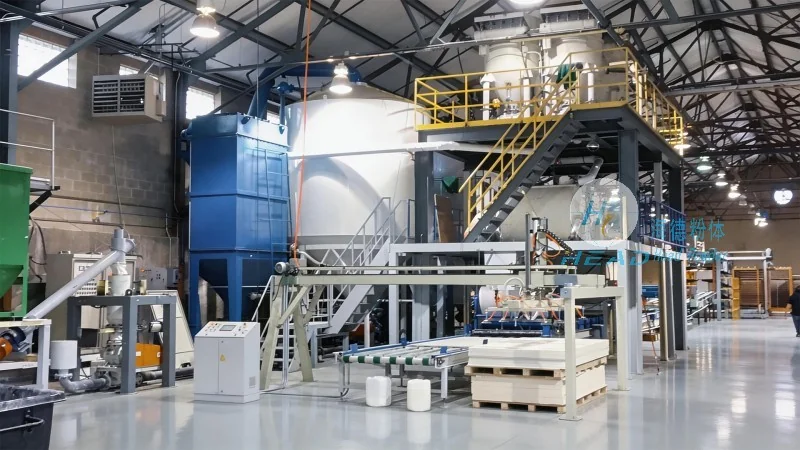
Pneumatic conveying equipment for potassium carbonate fertilizer is widely used in various industrial applications, including fertilizer production plants, storage facilities, and distribution centers. In fertilizer production, these systems are used to transport raw materials from storage silos to processing units, and to move finished products from the production line to packaging areas. In storage facilities, pneumatic conveyors are used to transfer fertilizer from bulk storage tanks to loading trucks or railcars. The equipment is also used in distribution centers to move fertilizer from receiving areas to storage bins or to loading docks. When operating pneumatic conveying systems for potassium carbonate fertilizer, several considerations must be taken into account to ensure optimal performance. First, the material's properties, such as particle size distribution, moisture content, and bulk density, must be carefully considered. These factors affect the air velocity required and the system's capacity. Second, the system must be designed to handle any potential blockages or clogs, which can occur due to the material's tendency to agglomerate or stick to the conveying line. Regular maintenance, including cleaning and lubrication of components, is essential to prevent these issues. Third, the system should be equipped with safety features, such as pressure relief valves and dust collection systems, to protect operators and the environment. Finally, energy efficiency is a key consideration, as pneumatic conveying systems can be energy-intensive. Engineers often incorporate energy-saving measures, such as variable speed drives and optimized air flow, to reduce operational costs.
Conclusion and Company Overview
Pneumatic conveying equipment for potassium carbonate fertilizer is a critical component in modern industrial operations, offering efficient, safe, and reliable material handling solutions. The design principles and components of these systems are tailored to the specific needs of potassium carbonate, ensuring optimal performance and minimal operational issues. As the demand for fertilizer continues to grow, the importance of efficient material handling systems like pneumatic conveyors will only increase. Shandong HeadPowder Engineering Co., Ltd., a leading manufacturer of material handling equipment, specializes in designing and manufacturing pneumatic conveying systems for various industrial applications, including fertilizer processing. With years of experience and a commitment to quality, HeadPowder provides customized solutions that meet the unique requirements of each client. Based in Shandong, China, the company leverages advanced engineering and manufacturing capabilities to deliver high-performance equipment that enhances operational efficiency and safety. Whether for small-scale or large-scale fertilizer operations, HeadPowder's pneumatic conveying systems are designed to meet the highest standards of performance and reliability.