

What is Polyester Fiber Material Pneumatic Conveying Equipment? And What Are Its Design Principles?
For industries dealing with polyester fiber materials, efficient and reliable material handling is crucial to maintaining production efficiency and product quality. Among various conveying methods, pneumatic conveying equipment has emerged as a preferred solution due to its ability to handle fine and abrasive materials like polyester fibers with minimal damage and high throughput. This article explores the concept of polyester fiber material pneumatic conveying equipment and delves into its fundamental design principles, offering insights into how such systems are engineered to meet the specific demands of the polyester fiber industry.
Introduction to Polyester Fiber Material Pneumatic Conveying Equipment
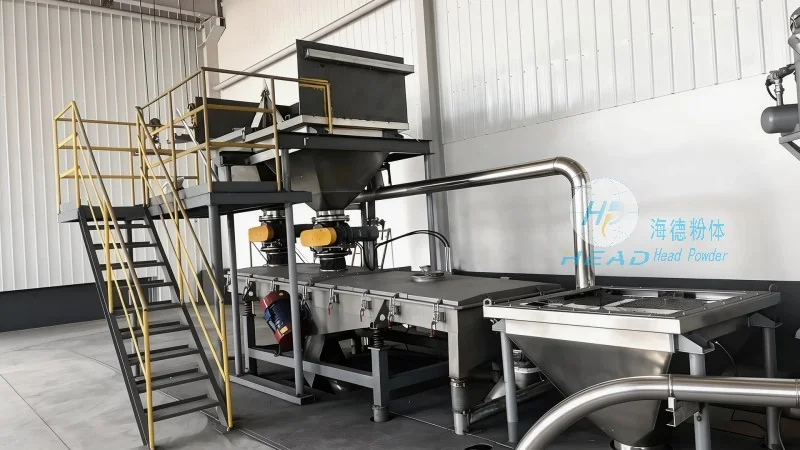
Pneumatic conveying equipment, also known as air conveying systems, utilizes compressed air or other gases to transport bulk materials, including polyester fibers, from one location to another. Unlike mechanical conveying methods that rely on belts, screws, or buckets, pneumatic systems use the force of moving air to move materials through pipelines. This method is particularly advantageous for polyester fibers because it minimizes mechanical stress, reduces dust generation, and allows for precise control over material flow rates. The equipment typically consists of a series of components, including a feeder, a conveying line, a separation or collection unit, and a control system, all working in tandem to ensure smooth and efficient material transport.
Key Components and Their Functions
The design of a polyester fiber material pneumatic conveying system involves several critical components, each playing a vital role in the overall operation. The feeder is responsible for introducing the polyester fibers into the conveying line at a controlled rate, ensuring a consistent flow of material. This component must be designed to handle the specific characteristics of polyester fibers, such as their fine particle size and tendency to agglomerate, to prevent blockages or uneven feeding. The conveying line, often made of stainless steel or other corrosion-resistant materials, is the main pathway for the material and air mixture. Its design, including the diameter and length of the pipeline, is crucial for maintaining the appropriate air velocity to keep the fibers suspended and prevent deposition. The separation or collection unit, typically a cyclone or bag filter, is used to separate the polyester fibers from the air stream, allowing for the recovery of the material and the release of clean air. The control system, which may include sensors, valves, and a programmable logic controller (PLC), monitors and regulates the operation of the entire system, ensuring optimal performance and safety.
Design Principles for Efficient Pneumatic Conveying
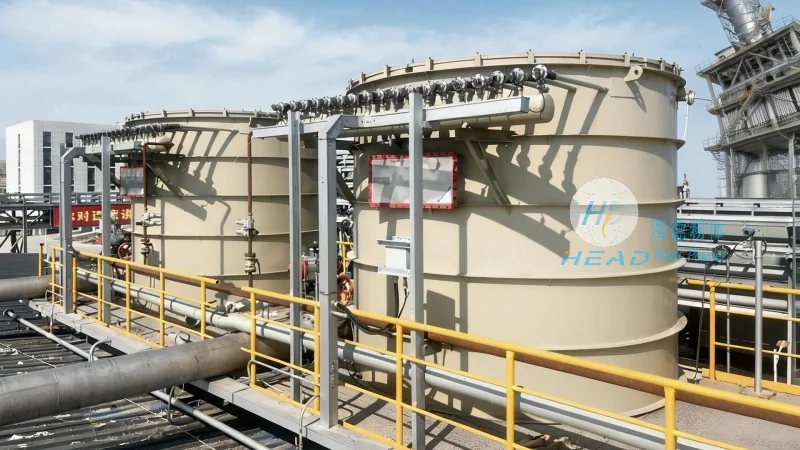
The design principles of polyester fiber material pneumatic conveying equipment are centered on achieving efficient material transport while minimizing energy consumption and material degradation. One of the primary principles is maintaining an appropriate air velocity within the conveying line. For polyester fibers, the air velocity must be high enough to keep the fibers suspended but not so high as to cause excessive wear on the equipment or generate too much dust. Engineers often use the "critical velocity" concept, which is the minimum air velocity required to keep particles suspended, as a guideline for system design. Another key principle is the selection of suitable materials for the equipment components. Since polyester fibers can be abrasive and may contain moisture or other contaminants, the conveying line, feeder, and separation units are typically made of stainless steel or other durable materials that can withstand wear and corrosion. Additionally, the design incorporates features to prevent material buildup and blockages, such as angled bends and smooth transitions in the pipeline, which help maintain consistent airflow and prevent clogging.
Advantages of Pneumatic Conveying for Polyester Fibers
Compared to other conveying methods, pneumatic conveying offers several advantages for handling polyester fibers. Firstly, it provides a dust-free and enclosed environment, which is essential for maintaining product quality and ensuring workplace safety. The enclosed system also reduces the risk of material contamination from external sources. Secondly, pneumatic conveying allows for precise control over material flow rates, enabling manufacturers to adjust the production process according to demand. This flexibility is particularly valuable in industries where polyester fiber production is variable. Thirdly, the system is relatively compact and can be integrated into existing production lines with minimal modifications. This makes it a cost-effective solution for both new and existing facilities. Finally, the energy efficiency of pneumatic conveying systems is higher than that of mechanical systems, as the air used for conveying can be recycled and reused, reducing operational costs over time.
Application Examples in the Polyester Fiber Industry
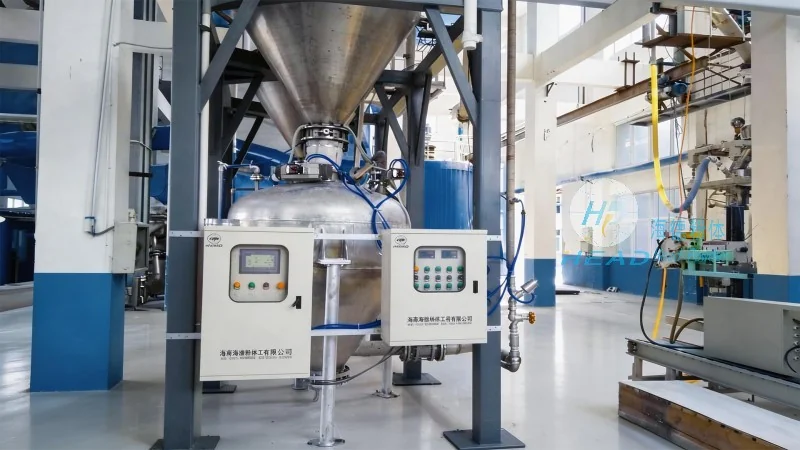
Polyester fiber material pneumatic conveying equipment is widely used in various applications within the polyester fiber industry. For instance, in the production of polyester staple fibers (PSF), the equipment is used to transport raw polyester resin from storage silos to the spinning machines. In the case of recycled polyester fibers, the system is employed to convey post-consumer or post-industrial polyester waste from collection points to the recycling facilities. Additionally, in the manufacturing of polyester filament yarns, pneumatic conveying is used to transport the fibers from the drawing and winding stages to the packaging units. These applications demonstrate the versatility and effectiveness of pneumatic conveying systems in handling polyester fibers at different stages of the production process.
Conclusion
In conclusion, polyester fiber material pneumatic conveying equipment is a critical component in the polyester fiber industry, enabling efficient and reliable material handling while maintaining product quality and operational safety. The design principles, which focus on maintaining appropriate air velocity, using durable materials, and incorporating effective control systems, ensure that these systems can handle the unique characteristics of polyester fibers. As the demand for polyester fibers continues to grow, the importance of such equipment in optimizing production processes and reducing costs will only increase. Companies like Shandong HeadPowder Engineering Co., Ltd., based in China, play a vital role in providing high-quality pneumatic conveying solutions tailored to the specific needs of the polyester fiber industry, helping manufacturers enhance their operational efficiency and competitiveness.