

What is a Barite Powder Material Pneumatic Conveying Equipment? What is its Design Principle?
Barite powder, a critical industrial material utilized across sectors like oil drilling, paint production, and medical imaging, often requires efficient and reliable transportation solutions. Pneumatic conveying equipment has emerged as a sophisticated approach for handling barite powder, offering benefits such as dust-free operation, energy efficiency, and the ability to transport materials over extended distances. This article explores the concept of barite powder pneumatic conveying equipment and examines the underlying design principles that make it an effective choice for industrial applications.
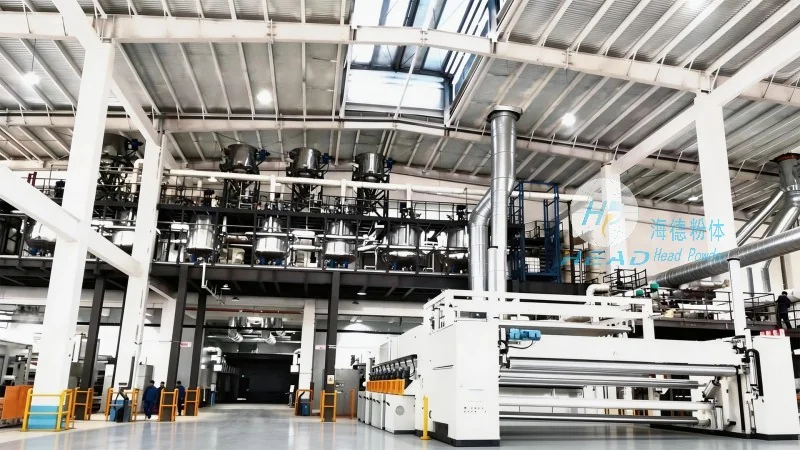
Understanding Barite Powder Pneumatic Conveying Equipment
Barite powder pneumatic conveying equipment is a system engineered to transport barite powder through a pipeline using air or other gas as the conveying medium. Unlike traditional mechanical conveying methods, which rely on belts or buckets, pneumatic systems utilize the force of moving air to move the material. This approach is particularly advantageous for barite powder due to its fine particle size and propensity for dust generation. The equipment typically comprises several key components, including a hopper for material storage, a feeder to control the flow rate, a conveying line, and a receiver for the material at the destination. Each component plays a vital role in ensuring the smooth and efficient operation of the system.
The Core Design Principles of Pneumatic Conveying Systems
The design of barite powder pneumatic conveying equipment is guided by several fundamental principles aimed at optimizing performance, reliability, and safety. The first principle is the selection of the appropriate conveying method, which can be categorized into two main types: dilute-phase and dense-phase. Dilute-phase systems employ high-velocity air to transport the material, resulting in a low concentration of powder in the air stream. This method is suitable for short distances and low to medium material loads. Dense-phase systems, conversely, use lower air velocities and higher material concentrations, making them ideal for long-distance transport and handling of abrasive or sensitive materials like barite powder. The choice between these methods depends on the specific application requirements, including the distance between the source and destination, the material's properties, and the desired flow rate.
A second critical design principle is the calculation of air velocity and pressure. The air velocity must be sufficient to lift and move the barite powder particles through the pipeline without causing excessive wear or blockages. This requires careful consideration of the particle size distribution, density, and flow characteristics of the barite powder. Engineers often use empirical formulas and computational fluid dynamics (CFD) simulations to determine the optimal air velocity and pressure for a given system. Proper air velocity ensures that the powder particles are fully entrained in the air stream, preventing settling or deposition in the pipeline, which could lead to system inefficiencies or blockages.
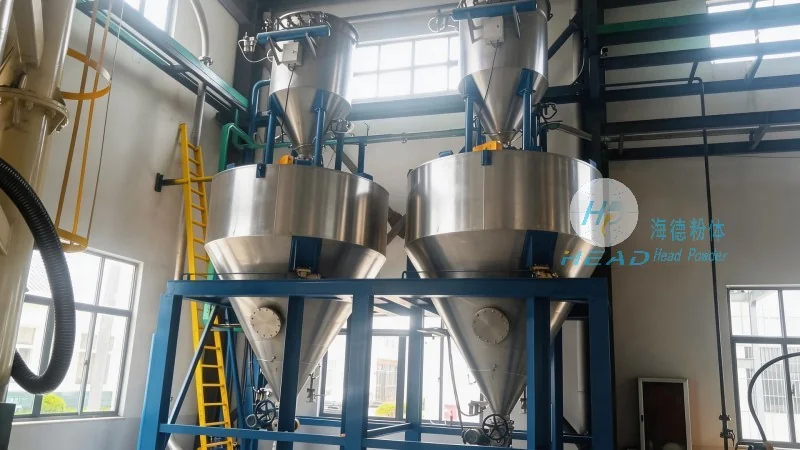
Key Components and Their Functions in Barite Powder Pneumatic Conveying Equipment
The effectiveness of a barite powder pneumatic conveying system heavily relies on the proper design and integration of its key components. The hopper, typically made of stainless steel or other corrosion-resistant materials, serves as the storage container for the barite powder. It is equipped with a discharge valve to control the material flow into the feeder. The feeder, often a rotary valve or a screw feeder, regulates the flow rate of the barite powder into the conveying line, ensuring a consistent and controlled feed. This is crucial for maintaining stable system performance and preventing overloading or underloading of the conveyor.
The conveying line, usually made of stainless steel or plastic, is the main pathway for transporting the barite powder. The material is carried by the air stream, and the line's diameter and length are carefully selected based on the system's design parameters. To prevent material buildup and ensure smooth flow, the line may include bends, elbows, and expansion joints. The receiver, located at the destination, collects the barite powder and is equipped with a discharge valve to release the material into the final process or storage area. The receiver is designed to minimize dust emissions and ensure safe handling of the material.
Advantages of Using Pneumatic Conveying for Barite Powder
Implementing pneumatic conveying equipment for barite powder offers several advantages over traditional methods. Firstly, it provides a dust-free environment, which is essential for maintaining workplace safety and compliance with environmental regulations. Unlike mechanical systems that can generate significant dust, pneumatic systems keep the material contained within the pipeline, reducing the risk of inhalation and contamination. Secondly, pneumatic conveying is highly flexible, allowing for changes in the material flow rate and direction without major modifications to the system. This adaptability makes it suitable for dynamic industrial processes where material requirements may vary. Thirdly, the system is energy-efficient compared to other conveying methods, as it uses less power to transport the material over long distances. The air velocity and pressure can be optimized to minimize energy consumption while maintaining the required flow rate.
Considerations for Designing and Implementing Barite Powder Pneumatic Conveying Systems
When designing and implementing a barite powder pneumatic conveying system, several factors must be considered to ensure optimal performance and longevity. One of the primary considerations is the material's properties, including particle size, density, and moisture content. These factors influence the system's design, such as the air velocity required for entrainment and the potential for material buildup. For example, finer barite powder particles may require higher air velocities to prevent settling, while coarser particles may need lower velocities to avoid excessive wear on the pipeline and components. Moisture content is also a critical factor, as high moisture levels can lead to clumping and blockages in the system.
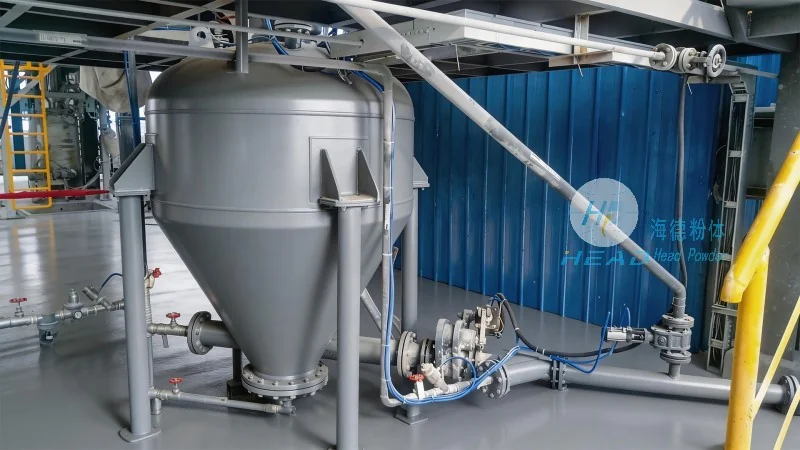
Another important consideration is the system's capacity and flow rate requirements. The design must accommodate the expected material throughput, ensuring that the feeder, conveying line, and receiver can handle the required volume without overloading or underutilizing the equipment. This involves calculating the material's bulk density and flow characteristics to determine the appropriate equipment size and configuration. Additionally, the system's layout and the distance between the source and destination must be carefully planned to minimize pressure losses and ensure efficient material transport.
Maintenance and operational considerations are also crucial for the long-term performance of the barite powder pneumatic conveying system. Regular maintenance, including cleaning the pipeline, checking for wear and tear on components, and monitoring air pressure and flow rates, is essential to prevent system failures and ensure consistent performance. The system should also be equipped with safety features, such as pressure relief valves and dust collection systems, to protect against potential hazards. Proper training of operators on the system's operation and maintenance is vital to maximize its efficiency and lifespan.
Conclusion
Barite powder pneumatic conveying equipment is a sophisticated and effective solution for transporting barite powder in industrial applications. By understanding the design principles, key components, and operational considerations, engineers and industry professionals can select and implement a system that meets their specific needs. The advantages of dust-free operation, flexibility, and energy efficiency make pneumatic conveying an attractive choice for handling barite powder, contributing to improved workplace safety, reduced material losses, and enhanced overall operational efficiency. As industrial demands continue to evolve, the continued development and optimization of pneumatic conveying systems will remain essential for the efficient processing and transportation of barite powder and other fine materials.