

Principle and Working Scene Characteristics of Sodium Nitrate Material Handling Equipment
For industrial operations dealing with sodium nitrate, efficient material handling is crucial for maintaining productivity and safety. This article explores the fundamental principles and operational characteristics of specialized equipment designed for transporting sodium nitrate, a key chemical in various industrial applications. The equipment in question is engineered to handle the unique properties of sodium nitrate, ensuring reliable and safe material movement within industrial settings.
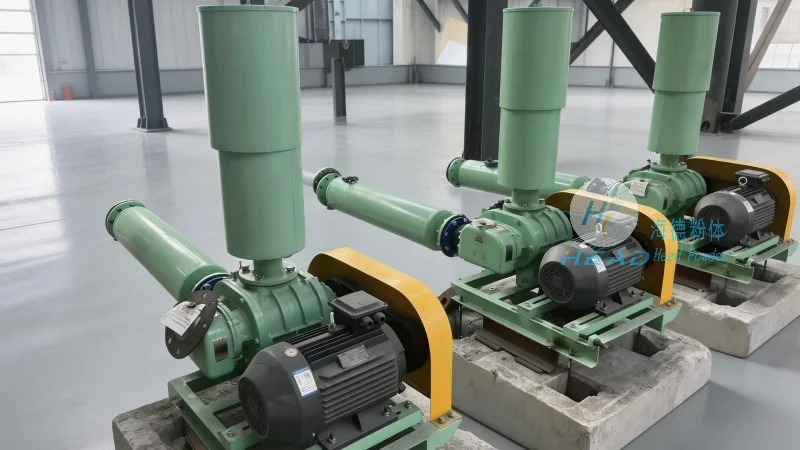
HeadPowder Engineering: Expert in Material Handling Solutions
Shandong HeadPowder Engineering Co., Ltd., a leading manufacturer based in Shandong, China, specializes in developing and supplying advanced material handling equipment tailored to the needs of industries that utilize sodium nitrate. With years of experience in the field, HeadPowder has established itself as a trusted partner for businesses seeking reliable solutions for transporting sodium nitrate. The company’s commitment to quality and innovation ensures that their equipment meets the highest standards of performance and safety, making it suitable for diverse industrial applications.
Principle of Sodium Nitrate Material Handling Equipment
The core principle behind sodium nitrate material handling equipment lies in its ability to handle the material’s physical and chemical properties effectively. Sodium nitrate is a white crystalline solid that can be hygroscopic, meaning it absorbs moisture from the air. This characteristic requires equipment that can prevent moisture absorption and maintain the material’s integrity during transport. The equipment typically employs mechanisms such as conveyor belts, screw conveyors, or pneumatic systems, each designed to handle the material’s flow characteristics. For instance, conveyor belts are often used for bulk material transport, while screw conveyors are suitable for vertical or inclined transport, ensuring smooth and consistent movement of sodium nitrate. The design of the equipment also considers the material’s potential to cause dust or create static electricity, incorporating features like dust suppression and grounding to enhance safety and operational efficiency.
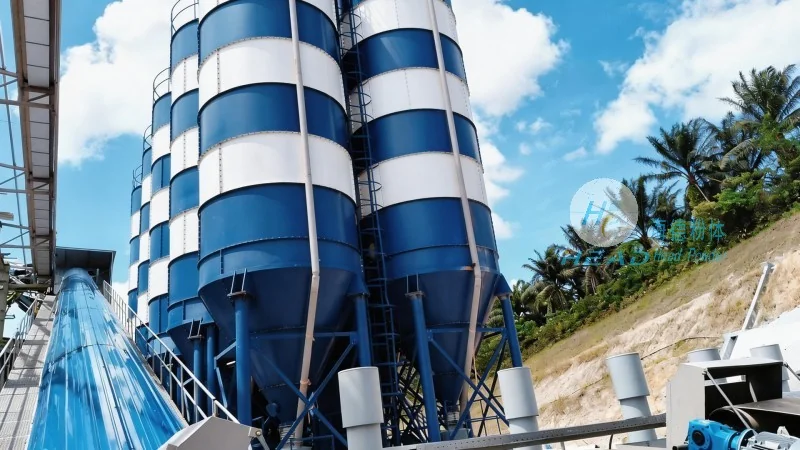
Working Scene Characteristics of Sodium Nitrate Material Handling Equipment
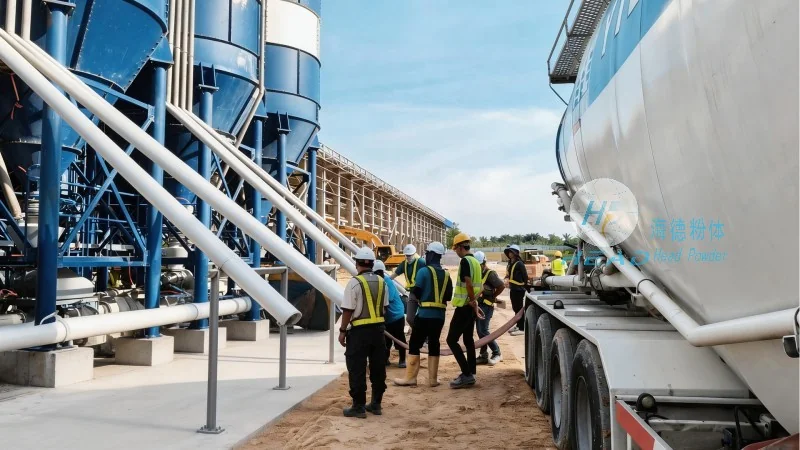
The working scene characteristics of sodium nitrate material handling equipment vary based on the specific industrial application. In fertilizer production, for example, the equipment is used to transport sodium nitrate from storage silos to processing units, where it is blended with other nutrients. The equipment must be able to handle large volumes of material and maintain a consistent flow rate to support continuous production processes. In chemical manufacturing, the equipment may be used in reaction vessels or mixing tanks, where precise dosing of sodium nitrate is critical. The working environment may involve high temperatures or corrosive substances, requiring equipment with durable materials like stainless steel or specialized coatings to resist wear and corrosion. Additionally, the equipment must comply with safety regulations, such as explosion-proof designs for areas where sodium nitrate may be present in flammable atmospheres. The working scene characteristics also include the need for easy maintenance and cleaning, as sodium nitrate can leave residue that may affect the equipment’s performance over time. HeadPowder’s equipment is designed to address these challenges, ensuring reliable operation in diverse industrial settings.
Key Features and Advantages of HeadPowder’s Equipment
HeadPowder’s sodium nitrate material handling equipment offers several key features that enhance its performance and reliability. One of the primary advantages is the use of high-quality materials, such as stainless steel or corrosion-resistant alloys, which ensure durability and resistance to the chemical properties of sodium nitrate. The equipment is also equipped with advanced control systems that allow for precise control of material flow, ensuring consistent and efficient transport. For example, variable speed drives enable operators to adjust the conveyor speed based on the material’s characteristics, optimizing the transport process. The equipment also includes safety features like overload protection and emergency stop buttons, which enhance operational safety and prevent accidents. Additionally, the design of the equipment is modular, allowing for easy installation and integration into existing industrial systems. This modularity reduces downtime and installation costs, making it a cost-effective solution for businesses. HeadPowder’s equipment is also designed for easy maintenance, with accessible components that can be serviced quickly, minimizing production interruptions.
Application Examples and Operational Benefits
The application of sodium nitrate material handling equipment in various industries demonstrates its effectiveness in improving operational efficiency and safety. In the agricultural sector, the equipment is used to transport sodium nitrate for fertilizer production, where it is blended with other nutrients to create high-quality fertilizers. The equipment’s ability to handle large volumes of material at a consistent rate supports the high demand for fertilizers, ensuring timely delivery to farms. In the chemical industry, the equipment is used in the production of explosives or other chemical products, where precise dosing of sodium nitrate is critical for product quality and safety. The operational benefits of using HeadPowder’s equipment include reduced material loss, lower maintenance costs, and improved safety records. The equipment’s reliability also leads to increased productivity, as it minimizes downtime and ensures continuous operation. Furthermore, the equipment’s design allows for easy integration with other industrial systems, such as weighing scales or mixing units, enhancing overall process efficiency. The use of advanced technology in the equipment, such as sensors and monitoring systems, provides real-time data on material flow and equipment performance, enabling operators to make informed decisions and optimize operations.