

Principle and Working Scene Characteristics of Barium Sulfate Material Handling Equipment
Barium sulfate, a widely used industrial material, requires efficient and reliable equipment for its transportation and handling. The equipment designed for this purpose operates on principles that ensure safe and effective material movement, catering to various industrial applications. This article explores the underlying principles of barium sulfate material handling equipment and highlights the key characteristics of its working scenes, providing insights into how such systems enhance operational efficiency in industrial settings.
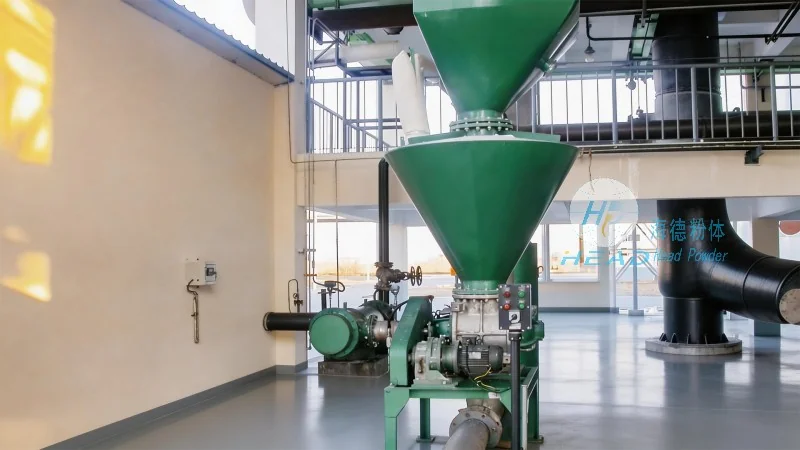
Principle of Operation for Barium Sulfate Material Handling Equipment
The core principle of barium sulfate material handling equipment revolves around the integration of mechanical systems to transport and manage the material. These systems typically include components like conveyors, feeders, and control mechanisms that work in tandem to move the material from one location to another. The equipment is engineered to handle the physical properties of barium sulfate, such as its density and particle size, ensuring that the material is transported without degradation or loss. For instance, the use of specialized conveyor belts or screw feeders minimizes the risk of material breakage or contamination, which is crucial for maintaining product quality. The control systems, often equipped with sensors and automation features, allow for real-time monitoring and adjustment of the material flow, optimizing the overall performance of the handling process.
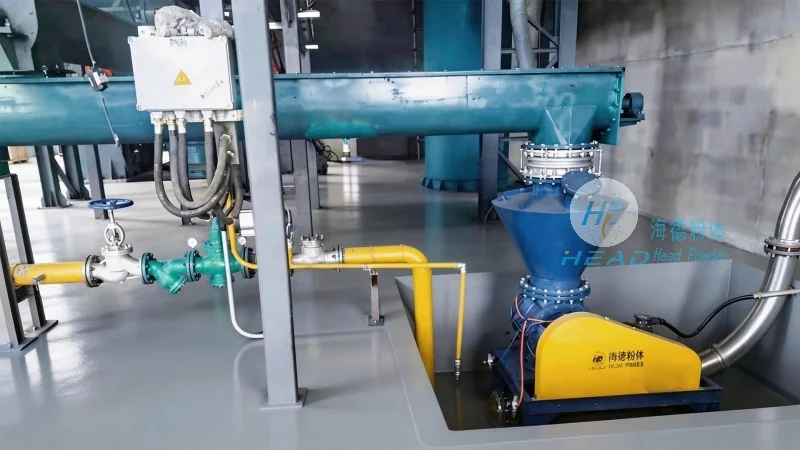
Key Working Scene Characteristics of Barium Sulfate Material Handling Equipment
The working scenes where barium sulfate material handling equipment is deployed exhibit distinct characteristics that influence the design and functionality of the systems. These characteristics include the scale of operations, the environment of the industrial site, and the specific requirements of the downstream processes. In large-scale industrial plants, the equipment is often part of a comprehensive material handling network, connecting multiple production stages and ensuring a continuous flow of raw materials. The environment may vary from indoor processing facilities to outdoor storage areas, requiring equipment that can withstand different conditions, such as temperature fluctuations or exposure to moisture. Additionally, the equipment must align with the specifications of downstream processes, such as filtration or mixing, by providing consistent material feed rates and particle size distributions. The characteristics of the working scene also impact the choice of equipment, with factors like space availability and material throughput dictating the selection of conveyor types, such as belt conveyors or pneumatic systems.
Company Profile: Shandong HeadPowder Engineering Co., Ltd.
HeadPowder, as a leading manufacturer in the field, specializes in the design and production of advanced material handling equipment tailored for industrial applications. With a strong presence in China, particularly in Shandong, the company leverages its expertise to develop solutions that meet the unique needs of clients handling barium sulfate and other industrial materials. The company’s commitment to quality and innovation is reflected in its state-of-the-art manufacturing facilities and rigorous quality control processes. By focusing on customer requirements and technological advancements, HeadPowder ensures that its equipment not only meets but exceeds industry standards, providing reliable and efficient material handling solutions. The company’s products are designed to enhance operational efficiency, reduce downtime, and improve overall productivity for industrial clients, contributing to the seamless flow of material in various production environments.
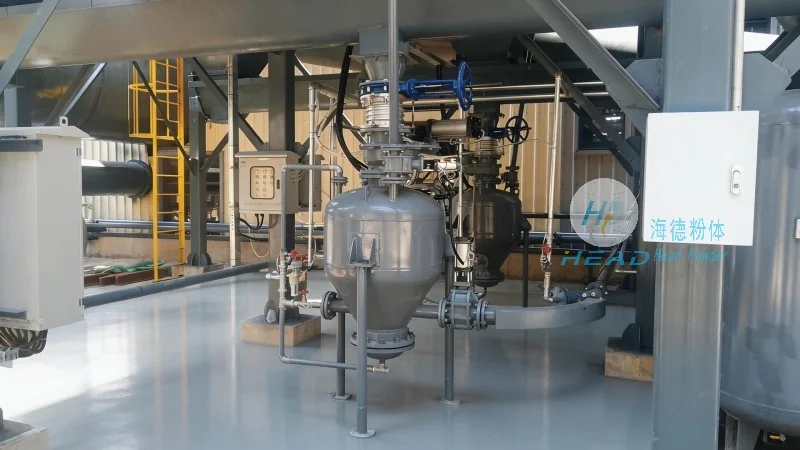
Conclusion: Enhancing Industrial Efficiency with Barium Sulfate Material Handling Equipment
In conclusion, barium sulfate material handling equipment plays a vital role in modern industrial operations by providing efficient and reliable solutions for material transportation. The principles of operation, combined with the characteristics of working scenes, ensure that these systems are tailored to meet the specific demands of industrial processes. Companies like Shandong HeadPowder Engineering Co., Ltd. continue to innovate and improve such equipment, contributing to the advancement of industrial material handling. By understanding the principles and characteristics of these systems, industries can optimize their operations, enhance product quality, and achieve greater efficiency in handling barium sulfate and other materials.