High-pressure powder conveying equipment is a critical component in modern industrial processes, designed to transport bulk powders efficiently and reliably. This equipment plays a vital role in various industries, including chemical, pharmaceutical, food, and mining, where the safe and efficient movement of powders is essential for operational success. The following article provides a detailed overview of the operation process and working principles of such equipment, highlighting its key components, operational workflow, and technical advantages. As a leading manufacturer in the field, Shandong HeadPowder Engineering Co., Ltd. specializes in the design and production of high-quality high-pressure powder conveying systems that meet the diverse needs of industrial clients.
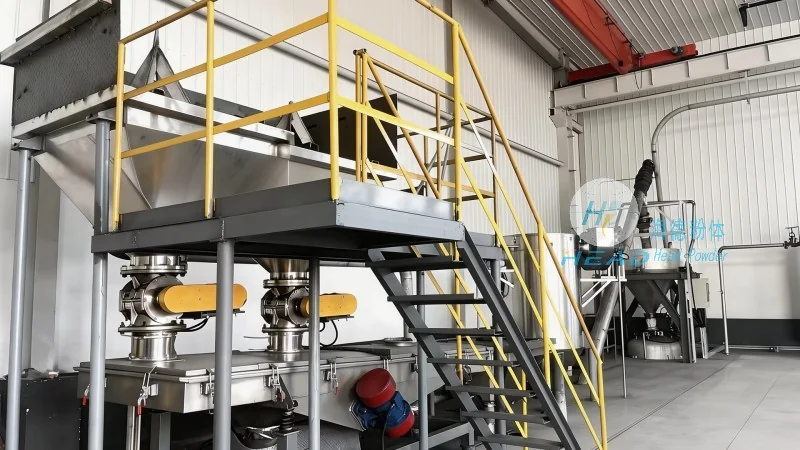
Key Components of High-Pressure Powder Conveying Systems
High-pressure powder conveying systems typically consist of several core components that work in tandem to achieve effective material transport. The primary components include a high-pressure pump, a conveying line (often made of stainless steel or other corrosion-resistant materials), a control system, and a receiver or discharge unit. The high-pressure pump is responsible for generating the necessary pressure to move the powder through the system. The conveying line is designed to withstand the high pressure and ensure minimal particle degradation. The control system monitors and regulates the pressure, flow rate, and other parameters to maintain optimal operation. The receiver or discharge unit collects the conveyed powder and prepares it for further processing or storage.
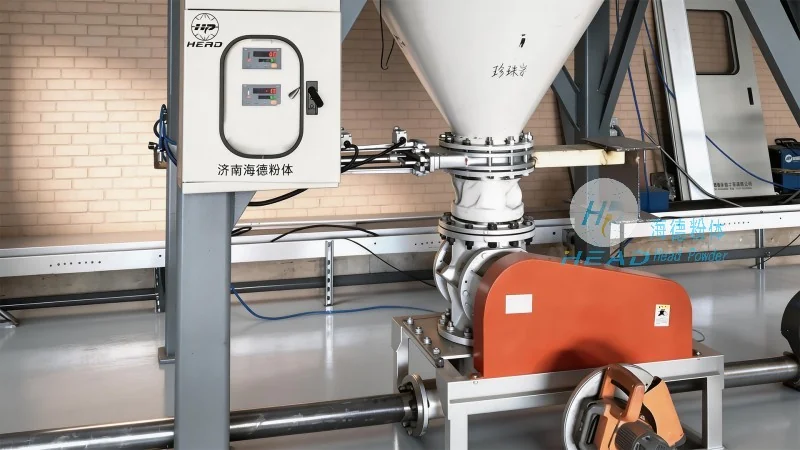
Operation Process of High-Pressure Powder Conveying Equipment
The operation process of high-pressure powder conveying equipment is a carefully orchestrated sequence of steps that ensures the reliable transport of bulk powders. The process begins with the loading of the powder into the system's hopper or feeder. The feeder then regulates the flow rate of the material, ensuring a consistent supply to the high-pressure pump. The pump, typically a positive displacement type, generates the necessary pressure by compressing the powder and the carrier gas (if used). This high-pressure mixture is then injected into the conveying line, which is designed to withstand the pressure and maintain the flow of material. The line may include various components such as bends, elbows, and expansion joints to accommodate changes in direction and pressure. As the powder travels through the line, it is propelled by the pressure, often aided by the use of a carrier gas that helps to reduce friction and prevent clogging. The receiver or discharge unit is positioned at the end of the line and is designed to collect the conveyed powder. The control system monitors the pressure, flow rate, and other parameters in real-time, allowing operators to adjust settings as needed to maintain optimal performance. The entire process is automated, with the control panel providing feedback and alerts to ensure that the system operates within safe and efficient parameters.
Working Principles of High-Pressure Powder Conveying Systems
The working principle of high-pressure powder conveying systems is rooted in the fundamental physics of fluid dynamics and particle transport. At its core, the system relies on the application of high pressure to create a pressure differential that drives the powder through the conveying line. The high-pressure pump serves as the primary energy source, converting mechanical energy into hydraulic pressure. This pressure is then transmitted through the line, where it acts on the powder particles, causing them to move in the direction of the pressure gradient. The use of a carrier gas, such as air or nitrogen, can enhance the flow by reducing the friction between particles and the line walls. The closed system design ensures that the pressure is maintained throughout the line, preventing leaks and maintaining the integrity of the material being conveyed. The system's efficiency is further improved by the use of specialized materials for the conveying line, such as stainless steel or PTFE-coated tubing, which are resistant to corrosion and abrasion. These materials help to extend the system's lifespan and reduce maintenance costs.
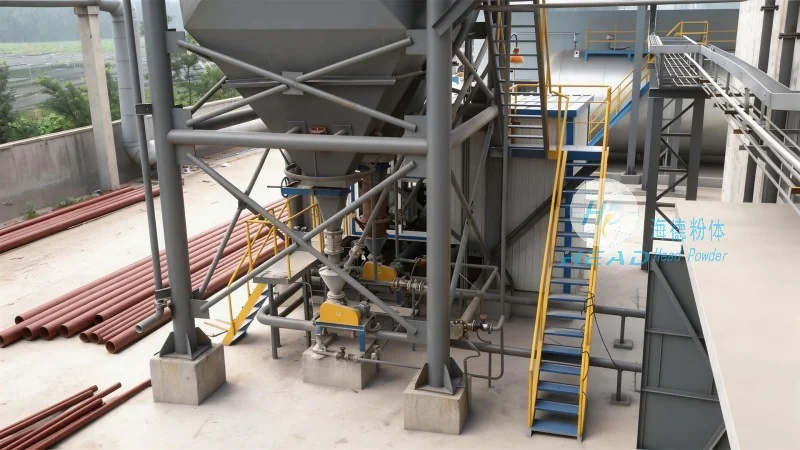
Technical Advantages and Applications
High-pressure powder conveying equipment offers several technical advantages that make it suitable for a wide range of industrial applications. One of the key advantages is its ability to transport fine or cohesive powders that are prone to clogging in traditional systems. The high pressure ensures that the powder flows smoothly through the conveying line, reducing the risk of blockages and downtime. Another advantage is the system's efficiency, as it can transport large volumes of material over long distances with minimal energy consumption. The closed design also helps to maintain product integrity and prevent contamination, which is critical in industries such as pharmaceuticals and food processing. The equipment is widely used in applications such as chemical processing, where it is used to transport raw materials to reactors; in pharmaceutical manufacturing, where it is used to convey active ingredients and excipients; and in mining, where it is used to transport ore and other bulk materials. Additionally, the system's flexibility allows for customization to meet specific operational requirements, making it a versatile solution for various industrial needs.




