

What is a Sand and Gravel Pneumatic Conveying System? What are its Design Principles?
For those in the construction, mining, or material processing industries, understanding the technology behind efficient bulk material transport is crucial. One such system that has gained significant traction is the sand and gravel pneumatic conveying system. This article delves into what these systems are and the fundamental design principles that make them effective for transporting abrasive and heavy materials like sand and gravel.
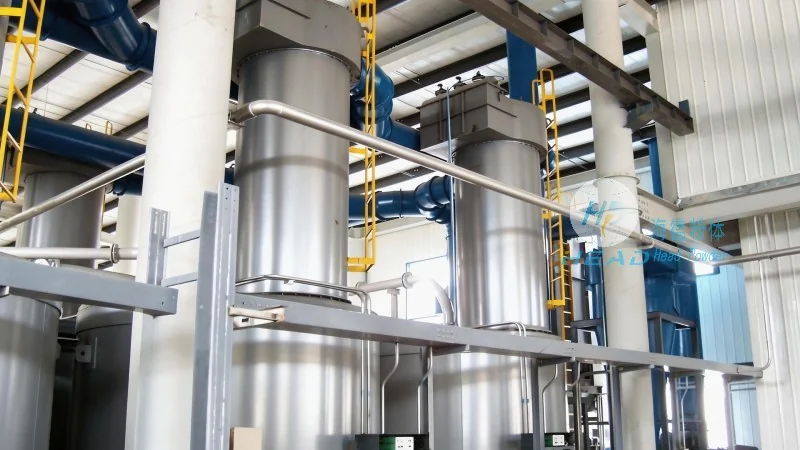
Introduction to Sand and Gravel Pneumatic Conveying Systems
A sand and gravel pneumatic conveying system is a type of pneumatic conveying technology designed specifically for the transport of sand, gravel, and other similar bulk materials. Unlike traditional methods such as belt conveyors or trucks, which can be cumbersome and inefficient for transporting abrasive materials over long distances, pneumatic conveying systems use air pressure to move materials through a pipeline network. This method offers several advantages, including reduced labor costs, minimized material loss, and lower environmental impact due to the elimination of heavy machinery and the associated emissions.
Understanding the Core Function of Pneumatic Conveying Systems
The core function of a pneumatic conveying system is to create a pressure differential between the inlet and outlet of the pipeline. This is achieved by using a compressor to supply compressed air or gas, which then flows through the pipeline, carrying the sand and gravel particles along with it. The system operates on the principle of fluidization, where the air velocity is sufficient to lift and transport the particles. For sand and gravel, which are typically dense and have a high abrasiveness, the system must be designed to handle these characteristics without causing excessive wear on the pipeline or components.
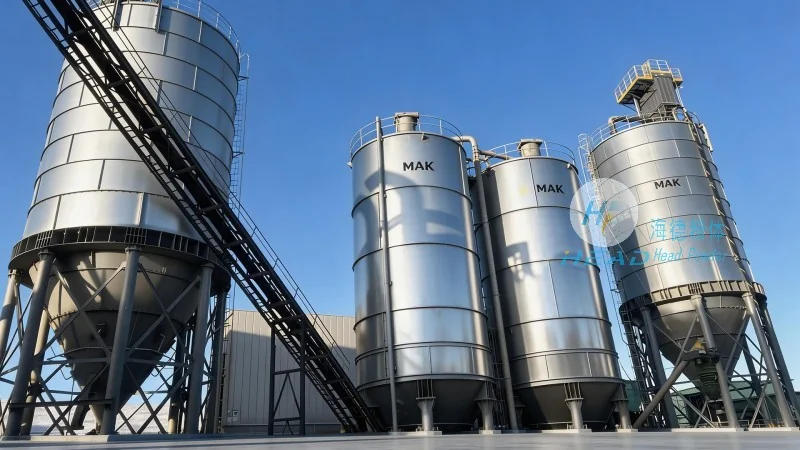
Key Design Principles for Efficient Sand and Gravel Transport
Several key design principles are essential for the successful operation of a sand and gravel pneumatic conveying system. First, the selection of the appropriate air velocity is critical. The velocity must be high enough to overcome the gravitational and frictional forces acting on the particles but low enough to prevent excessive wear on the pipeline and fittings. Engineers typically calculate the required air velocity based on the material's bulk density, particle size, and the distance to be transported. Second, the pipeline diameter and layout play a significant role. A larger diameter reduces pressure drop and wear, while proper bends and fittings minimize energy loss and potential blockages. Third, the system's capacity and pressure requirements are determined by the material's flow characteristics and the desired throughput. Proper sizing of the compressor and pipeline ensures that the system can handle the required volume of material without excessive energy consumption or pressure loss.
Components and Working Mechanism of the System
A typical sand and gravel pneumatic conveying system consists of several key components, including a material hopper, feeder, air compressor, pipeline network, and receiver. The material is first loaded into the hopper, where it is fed into the system by a feeder (such as a rotary valve or screw feeder) at a controlled rate. The air compressor then supplies compressed air to the pipeline, creating a pressure differential. As the air flows through the pipeline, it carries the sand and gravel particles along, transporting them from the hopper to the receiver. The receiver, often equipped with a dust collection system, separates the material from the air and collects it for further processing or storage. The system's efficiency and reliability depend on the proper integration and maintenance of these components. For example, the feeder must be designed to handle the abrasive nature of sand and gravel without clogging, and the pipeline must be made of durable materials like stainless steel or high-grade steel to withstand wear and corrosion.
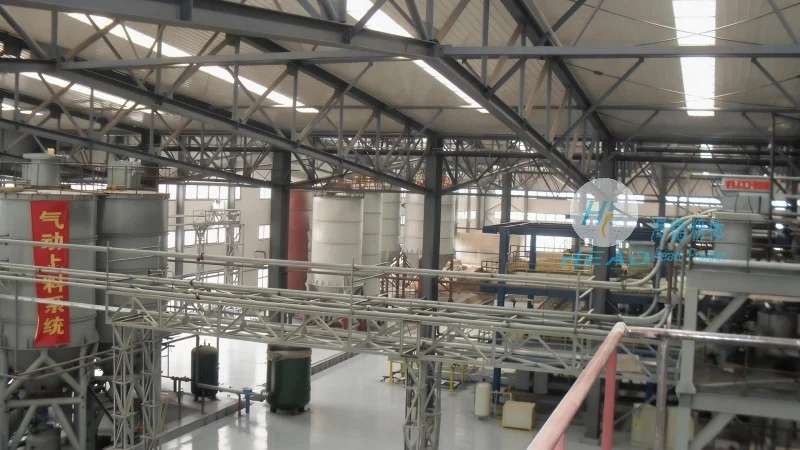
Application Scenarios and Advantages of the Technology
The sand and gravel pneumatic conveying system is widely used in various applications across different industries. In construction, it is commonly used to transport sand and gravel from storage areas to mixing plants or job sites, reducing the need for manual handling and transportation. This not only improves efficiency but also enhances safety by minimizing the risk of accidents associated with heavy machinery. In mining operations, the system can transport ore and gravel from extraction sites to processing facilities, improving operational efficiency and reducing the time and cost associated with material transport. The advantages of this technology extend beyond efficiency and cost savings. For instance, pneumatic conveying systems can handle materials with high moisture content and abrasive properties, making them suitable for a wide range of applications. Additionally, the system can be designed to operate in enclosed environments, reducing dust emissions and improving air quality at the worksite.
About Shandong HeadPowder Engineering Co., Ltd.
Shandong HeadPowder Engineering Co., Ltd., commonly known as HeadPowder, is a leading manufacturer and supplier of pneumatic conveying systems and related equipment. With a strong focus on innovation and quality, the company has established itself as a trusted partner in the construction and material processing industries. HeadPowder's products are designed to meet the specific needs of clients, ensuring efficient and reliable material transport. The company's headquarters is located in Shandong, China, where it has a dedicated team of engineers and technicians dedicated to research, development, and customer support. By leveraging advanced technology and years of industry experience, HeadPowder provides comprehensive solutions for sand and gravel pneumatic conveying systems, helping clients optimize their operations and achieve their business goals. HeadPowder's commitment to quality and customer satisfaction has made it a preferred choice for businesses seeking reliable and efficient pneumatic conveying solutions.