Aluminum battery pneumatic conveying lines are advanced industrial systems designed to transport aluminum battery materials efficiently and safely. These systems are crucial in manufacturing processes where aluminum battery components need to be moved between different stages of production. The technology combines pneumatic conveying with specialized equipment to handle the unique properties of aluminum battery powders or granules, ensuring minimal material loss and consistent quality control.
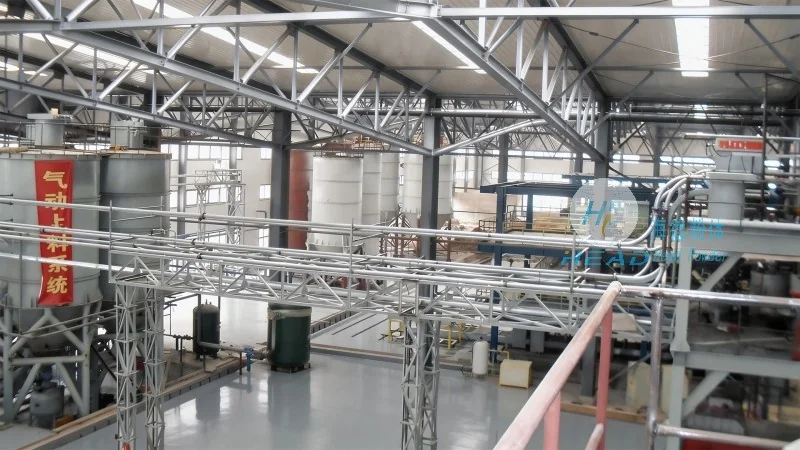
About Shandong HeadPowder Engineering Co., Ltd.
HeadPowder, a leading manufacturer based in Shandong, China, specializes in developing and supplying high-quality pneumatic conveying solutions. With years of experience in the industry, the company has built a reputation for its innovative designs and reliable performance. The company’s facilities and expertise are dedicated to meeting the diverse needs of clients in the battery manufacturing sector, providing tailored solutions that enhance operational efficiency and product integrity.
Design Principles of Aluminum Battery Pneumatic Conveying Lines
The design of aluminum battery pneumatic conveying lines is based on several key principles to ensure optimal performance. First, the system must handle the specific characteristics of aluminum battery materials, such as their density, flowability, and potential reactivity. This involves selecting appropriate materials for the conveying components to prevent corrosion or material degradation. Second, the system must maintain consistent air pressure and flow rates to achieve reliable material transport without clogging or excessive wear on the equipment. Third, the design incorporates safety features to protect both the material and the operators, including proper dust collection and explosion-proof measures, which are critical in handling potentially flammable or reactive aluminum battery powders.
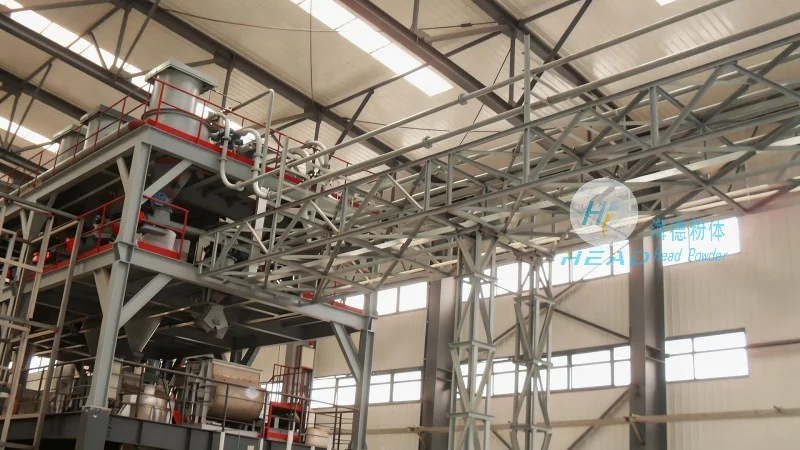
Key Components and Their Functions
Aluminum battery pneumatic conveying lines typically consist of several key components, each playing a vital role in the overall operation. The primary components include the material hopper, which stores the aluminum battery powder or granules; the air compressor, which generates the necessary air pressure for conveying; the conveying line itself, which may be made of flexible hoses or rigid pipes depending on the application; and the material receiver, where the conveyed material is deposited. Additionally, the system may include a dust collector to capture any airborne particles and a control panel to monitor and adjust the air pressure and flow rates in real-time. Each component is carefully selected and integrated to ensure seamless operation and minimal downtime.
Applications in Aluminum Battery Manufacturing
These conveying lines are widely used in various stages of aluminum battery production, from raw material handling to finished product packaging. For instance, in the initial stages, the system can transport raw aluminum powders or other battery components from storage to mixing equipment. During the production process, it may move the mixed materials to molding or pressing machines, ensuring a continuous and controlled flow. In the final stages, the system can convey the finished aluminum battery products to packaging lines, maintaining the integrity of the product and preventing contamination. The versatility of the pneumatic conveying system allows it to adapt to different production volumes and material types, making it a valuable asset in modern aluminum battery manufacturing facilities.
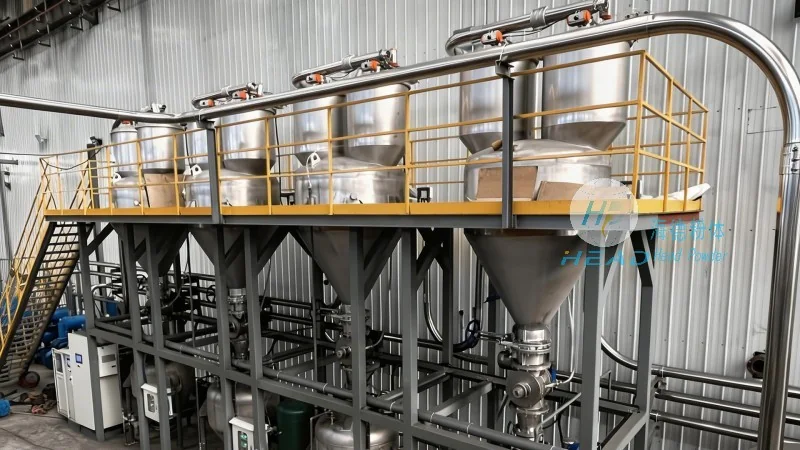
Advantages of Using Aluminum Battery Pneumatic Conveying Lines
There are several advantages to implementing aluminum battery pneumatic conveying lines in industrial settings. One of the main benefits is the ability to handle materials that are difficult to transport using traditional methods, such as powders or granules that are prone to caking or segregation. The pneumatic system prevents material degradation by minimizing contact with air and reducing exposure to moisture or contaminants. Another advantage is the space-saving design, as the conveying lines can be installed in vertical or horizontal configurations, making them suitable for facilities with limited floor space. Additionally, the system offers high throughput rates, allowing for increased production efficiency and reduced labor costs. The automated control features also enhance safety by minimizing human intervention in material handling, reducing the risk of accidents and improving overall operational safety.
Maintenance and Operational Considerations
Proper maintenance is essential to ensure the long-term performance and reliability of aluminum battery pneumatic conveying lines. Regular inspections of the conveying components, such as hoses, pipes, and valves, are necessary to detect any signs of wear or damage. The air compressor and dust collector should also be checked regularly to ensure they are functioning efficiently. Cleaning the system periodically, especially after handling different materials, is crucial to prevent clogging and maintain consistent flow rates. Additionally, training operators on the proper use and maintenance of the equipment is vital to prevent accidents and ensure optimal performance. By following these maintenance practices, manufacturers can extend the lifespan of their conveying lines and minimize downtime, leading to improved productivity and cost savings.




