Introduction to Flour and Grain Material Conveying Lines
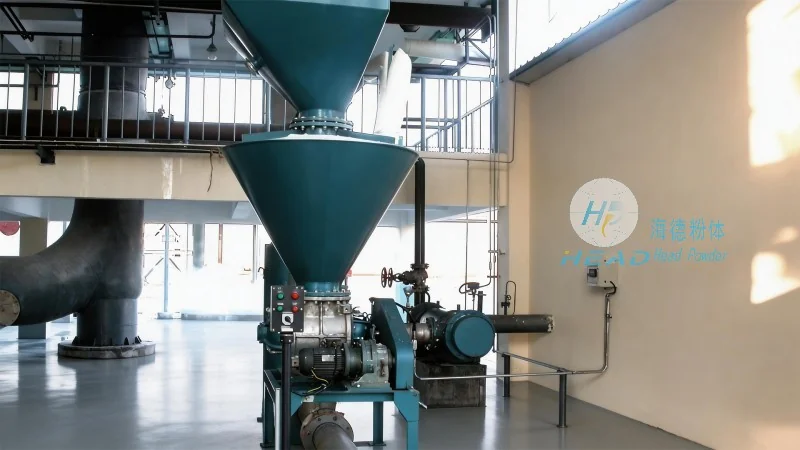
This article explores the fundamental principles and practical application scenarios of flour and grain material conveying lines. These systems are essential in the food processing industry, particularly for handling bulk materials like wheat, rice, and other grains. The efficiency and reliability of such conveyors directly impact production quality and operational costs in mills and processing facilities.
The Working Principle of the Conveying System
The core principle of flour and grain material conveying lines revolves around the mechanical transport of bulk materials from one location to another. Typically, these systems utilize a combination of gravity, mechanical power, and specialized equipment to move materials through pipelines or open channels. The process begins with material feeding, where raw grains or flour are introduced into the system. From there, components like screw conveyors, belt conveyors, or pneumatic systems transport the material through the line. The design of the system is tailored to the specific characteristics of the material—such as particle size, moisture content, and flowability—to ensure smooth and efficient movement. For example, screw conveyors are commonly used for granular materials due to their ability to handle dry or slightly moist products without causing segregation. Belt conveyors, on the other hand, are ideal for transporting larger or bulkier items, providing a stable and continuous flow. Pneumatic systems, or air conveyors, use compressed air to move materials through flexible hoses or pipes, which is particularly effective for fine powders like flour, as it prevents material buildup and ensures uniform distribution.
Key Components and Their Functions
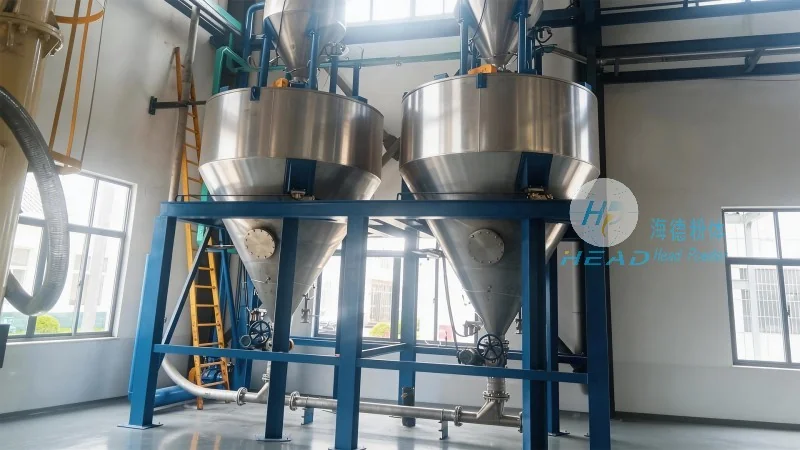
Several critical components work in tandem to ensure the smooth operation of flour and grain material conveying lines. The feeding hopper is the first component, responsible for receiving and storing the raw material before it enters the conveyor. This hopper is designed to handle varying material volumes and maintain a consistent flow rate. The conveyor itself, whether a screw, belt, or pneumatic system, is the heart of the operation, responsible for transporting the material along the designated path. The discharge mechanism, located at the end of the conveyor, ensures the material is released accurately and without spillage. Additionally, control systems, including sensors and variable speed drives, monitor and adjust the conveyor's speed and operation based on real-time conditions. These components are engineered to withstand the harsh conditions of the food processing industry, such as high humidity, dust, and frequent cleaning cycles.
Application Scenarios and Industry Usage
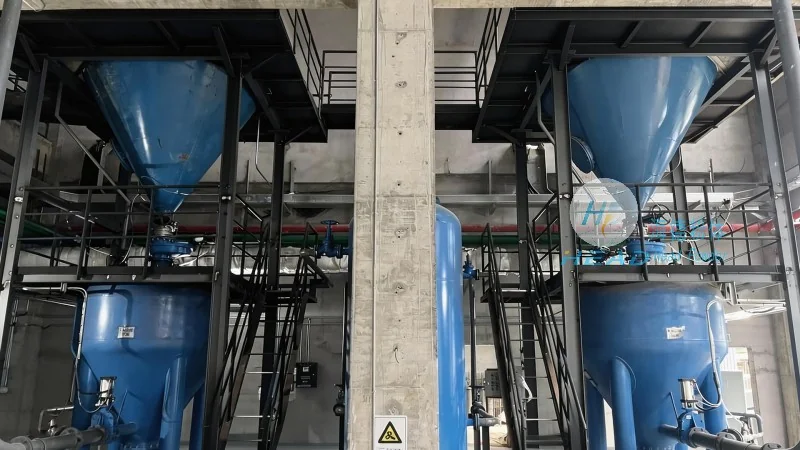
Flour and grain material conveying lines are widely used across various industries, with the most common applications in flour mills, rice processing plants, and grain storage facilities. In flour mills, these systems are crucial for transporting raw wheat from storage silos to grinding equipment, and then moving the resulting flour to packaging lines. The efficiency of the conveying system directly affects the mill's output, as delays in material transport can lead to bottlenecks and reduced productivity. In rice processing plants, similar systems are used to move raw rice from cleaning and sorting stages to milling and polishing equipment. The ability to handle different grain types and sizes makes these conveying lines versatile and adaptable to various production needs. Additionally, in grain storage facilities, conveying lines are used to transfer stored grains between silos or to loading docks for distribution. These applications highlight the importance of reliable and efficient material handling in maintaining smooth production workflows.
Company Profile: Shandong HeadPowder Engineering Co., Ltd.
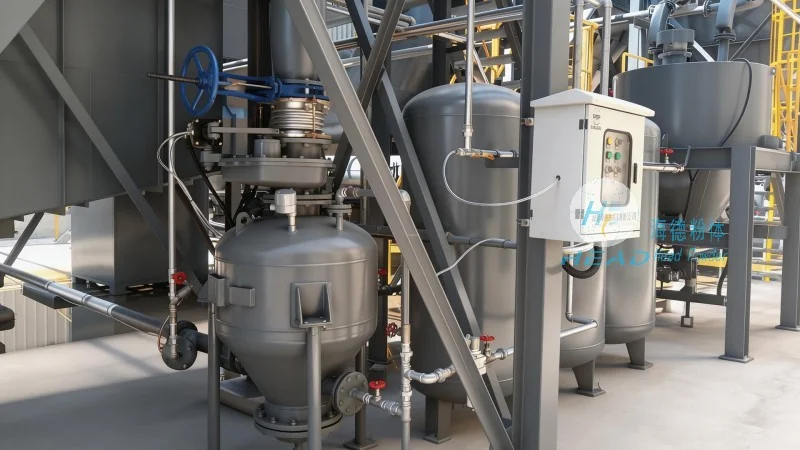
Shandong HeadPowder Engineering Co., Ltd. is a leading manufacturer specializing in the design, development, and installation of flour and grain material conveying systems. With a strong presence in China, particularly in Shandong province, the company has built a reputation for delivering high-quality, customized solutions tailored to the unique needs of the food processing industry. The company's team of engineers and technicians leverages advanced technology and industry expertise to create conveying systems that meet strict safety and hygiene standards. Based in China, Shandong HeadPowder Engineering Co., Ltd. serves clients both domestically and internationally, providing comprehensive support from initial consultation to long-term maintenance. The company's commitment to quality and customer satisfaction has made it a trusted partner for businesses seeking reliable material handling solutions.
Technical Advantages and Practical Benefits
The flour and grain material conveying lines offered by Shandong HeadPowder Engineering Co., Ltd. come with several technical advantages that enhance operational efficiency and product quality. One key advantage is the system's ability to handle a wide range of material types, from fine powders to bulk grains, without causing segregation or material loss. This is achieved through the use of specialized components, such as variable speed drives and adjustable feed mechanisms, which maintain consistent material flow. Another advantage is the system's energy efficiency, as modern conveying technologies minimize power consumption while maximizing throughput. The use of durable materials, such as stainless steel and food-grade plastics, ensures the system's longevity and compliance with industry standards. Additionally, the modular design of the conveying lines allows for easy installation and maintenance, reducing downtime and operational costs. These benefits make the conveying systems suitable for both small-scale and large-scale production facilities, providing a reliable solution for material handling needs.




