

Principle and Working Scene Characteristics of Clay Material Conveying Lines
Clay material conveying lines are integral to industrial operations, especially in sectors dealing with raw materials that demand efficient and reliable transportation. Understanding the fundamental principles and the specific characteristics of these systems is vital for optimizing operational efficiency and ensuring smooth production processes. This article explores the core principles of clay material conveying lines, alongside the key working scene characteristics that define their performance and applicability.
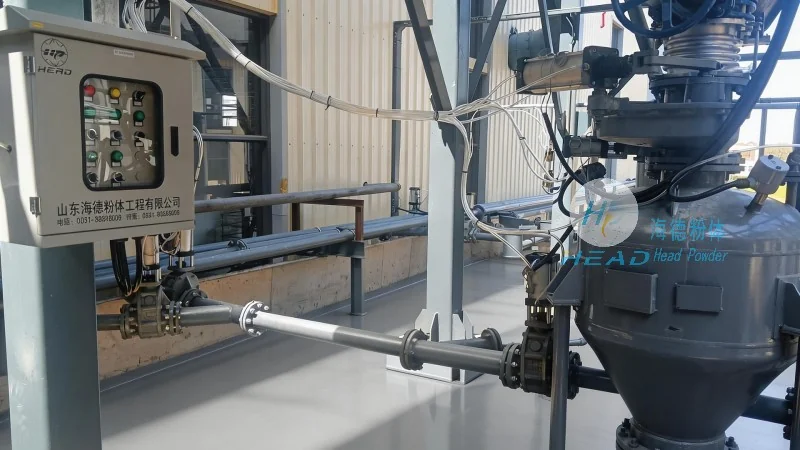
Principle of Clay Material Conveying Lines
The core principle of clay material conveying lines centers on specialized equipment designed to address the unique properties of clay, such as high moisture content, plasticity, and a tendency to stick or clump. These systems typically utilize mechanisms like belt conveyors, screw conveyors, or pneumatic conveying systems, each tailored to overcome the challenges posed by clay materials. For example, belt conveyors are widely adopted due to their ability to transport clay over long distances with minimal maintenance, while screw conveyors offer a compact solution for vertical or horizontal material movement. Pneumatic conveying systems, meanwhile, employ air pressure to transport clay particles, proving effective for handling fine or dusty clay materials.
Working Scene Characteristics of Clay Material Conveying Lines
The working scene characteristics of clay material conveying lines are shaped by factors including the type of clay processed, the production environment, and specific operational requirements. A primary characteristic is the need for consistent material flow, as clay can clog or distribute unevenly if not managed properly. This necessitates careful consideration of the conveyor's design, including speed, inclination, and material handling capacity. Additionally, the working environment often involves high humidity and dust generation, requiring robust sealing and dust control measures to maintain operational safety and product quality.
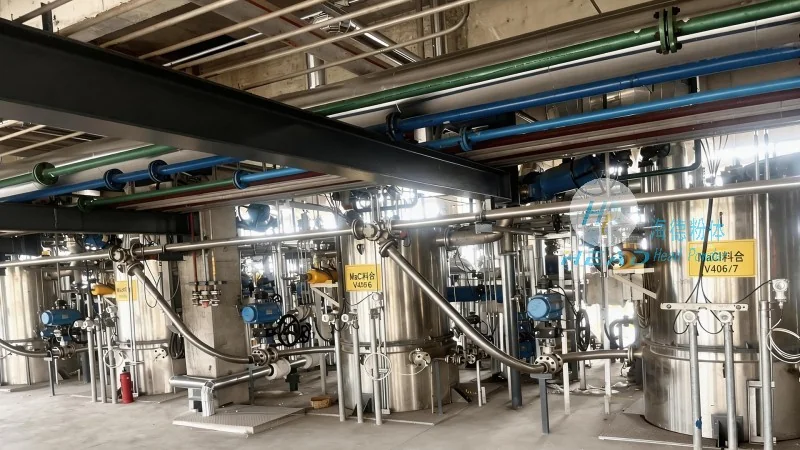
Application Scenarios and Industry Integration
Clay material conveying lines are widely integrated into industrial processes across mining, construction, and manufacturing. In mining operations, these systems transport clay from extraction sites to processing facilities, ensuring a continuous raw material supply. In construction, they play a vital role in transporting clay for brick-making or other building material production, where uniform handling is critical for product consistency. The manufacturing sector also benefits, particularly in ceramics or pottery production, where precise clay transport is essential for maintaining finished product quality.
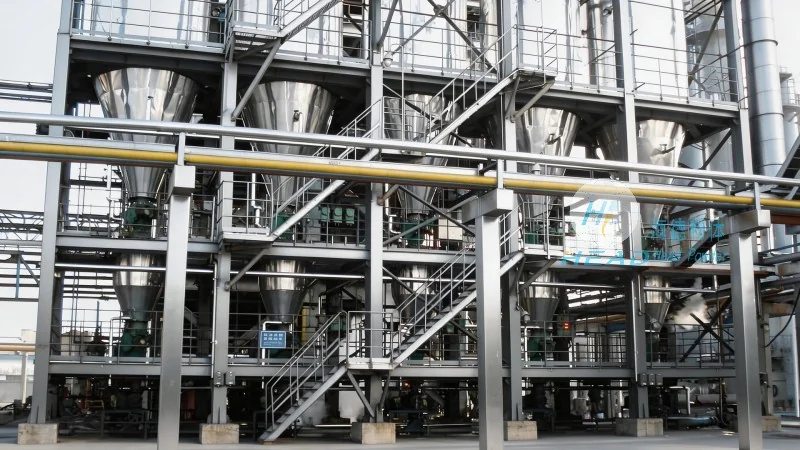
Company Profile: Shandong HeadPowder Engineering Co., Ltd.
HeadPowder, a leading engineering solutions provider, specializes in designing, manufacturing, and installing clay material conveying lines. With a strong presence in Shandong, China, the company leverages expertise in material handling technology to deliver customized solutions tailored to client needs. The company's commitment to quality and innovation has established it as a trusted industry partner, offering reliable equipment that enhances operational efficiency and reduces downtime. HeadPowder's team of experienced engineers and technicians ensures each conveying line is optimized for performance, durability, and safety, meeting the highest industry standards.
Address and Location
HeadPowder Engineering is located in Shandong, China, providing a strategic base for serving regional and international clients. The company's facilities are equipped with advanced manufacturing capabilities and testing equipment, enabling the development of cutting-edge solutions for clay material handling. By operating from this location, HeadPowder efficiently manages logistics and support services, ensuring timely delivery and after-sales assistance to its customers.