Automatic blending and material conveying lines represent a sophisticated integration of technology designed to streamline the process of material handling and mixing in industrial applications. At the core of these systems lies a systematic approach to ensure precise control over the flow, mixing, and distribution of various raw materials. The fundamental principle revolves around the use of automated mechanisms, such as conveyor belts, screw conveyors, and pneumatic systems, to transport materials from storage to processing units. This automation not only enhances efficiency but also minimizes human intervention, reducing the risk of errors and improving overall operational consistency. Shandong HeadPowder Engineering Co., Ltd., based in Shandong, China, specializes in designing and manufacturing such advanced systems tailored to meet the diverse needs of industrial clients.
Key Components and Their Functions
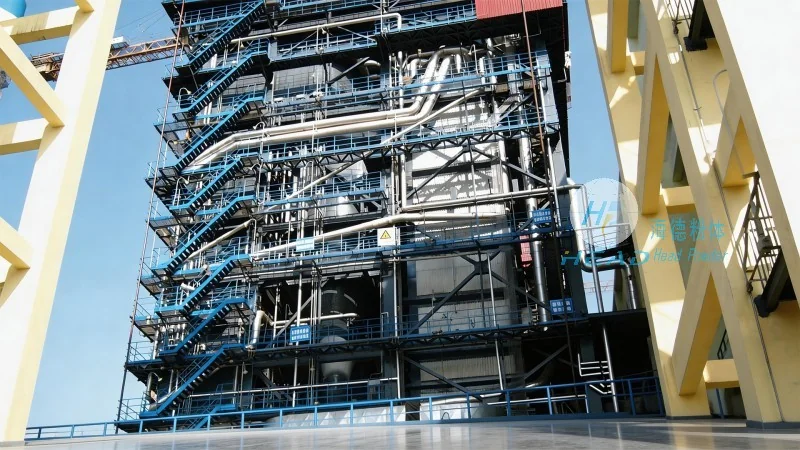
The effectiveness of an automatic blending and material conveying line is largely determined by its component design. Key elements include material feeders, which regulate the flow of different ingredients; blending units, which mix materials to achieve the desired composition; and conveying mechanisms, which transport the mixed product to subsequent processing stages. Each component is engineered to work in harmony, ensuring that the material flow is continuous and the mixing ratio is accurate. For instance, variable speed drives in conveyor systems allow for precise control over the speed of material movement, while sensors monitor the level of material in hoppers to prevent overfilling or underfilling.
Application Scenarios in Industrial Settings
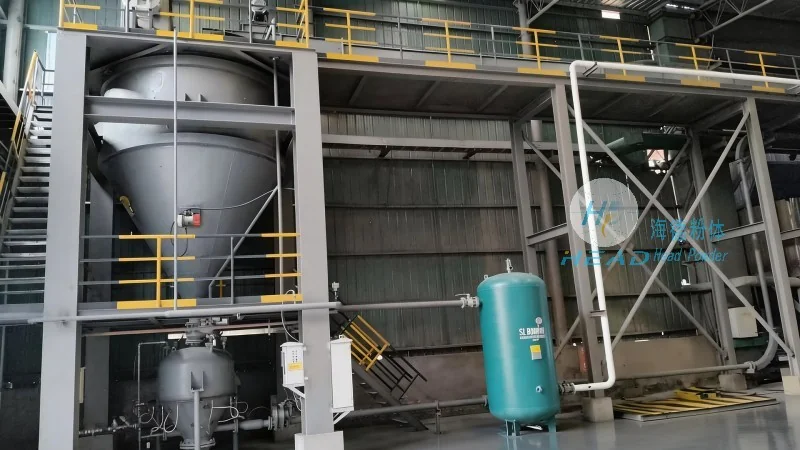
Automatic blending and material conveying lines find widespread application across various industries, including pharmaceuticals, food processing, chemical manufacturing, and bulk material handling. In the pharmaceutical industry, these systems are crucial for ensuring the precise mixing of active ingredients and excipients, maintaining compliance with stringent quality standards. In food processing, they facilitate the blending of ingredients for beverages, snacks, and other products, ensuring uniform taste and texture. Chemical manufacturers utilize these lines for mixing raw chemicals, which requires careful control to avoid reactions or contamination. Bulk material handling industries, such as mining and agriculture, rely on these systems to transport and blend raw materials like ores, grains, and fertilizers, optimizing the processing workflow.
Advantages of Implementing Automatic Systems
Adopting automatic blending and material conveying lines offers numerous advantages over traditional manual systems. Firstly, automation significantly reduces labor costs and minimizes the risk of human error, leading to higher product quality and consistency. Secondly, these systems enhance operational efficiency by enabling continuous production, reducing downtime, and improving throughput. Thirdly, they provide better safety by eliminating the need for workers to handle heavy or hazardous materials manually. Additionally, the integration of sensors and control systems allows for real-time monitoring and adjustment, ensuring that the process remains within optimal parameters. This level of control is particularly valuable in industries where product specifications are critical, such as in the production of pharmaceuticals or high-value food products.
Customization and Scalability
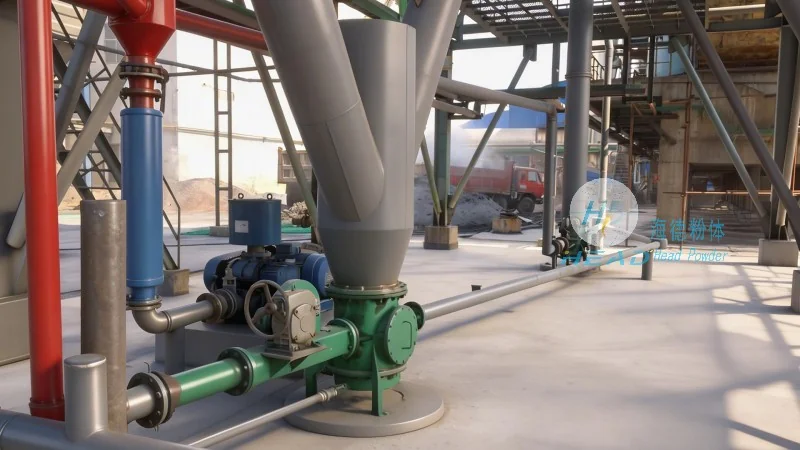
One of the key strengths of automatic blending and material conveying lines is their adaptability to different production needs. Manufacturers can customize these systems to handle a wide range of materials, from fine powders to bulk solids, and to accommodate varying production volumes. The modular design of many systems allows for easy expansion or reconfiguration as production requirements change. For example, a small-scale blending line can be upgraded to a larger system by adding additional conveyors or blending units without disrupting the entire operation. This flexibility makes automatic blending systems suitable for both small-scale and large-scale industrial applications.




