

Working Principle and Features of Low-Pressure Continuous Powder Conveying
Low-pressure continuous powder conveying is a crucial technology in the field of material handling, designed to transport bulk powders efficiently and safely under low-pressure conditions. This method has gained significant attention in various industries due to its ability to handle a wide range of powder types while minimizing operational risks and energy consumption. As a leading provider in this field, Shandong HeadPowder Engineering Co., Ltd. (headpowder) specializes in developing and manufacturing advanced low-pressure conveying systems tailored to meet the diverse needs of modern industrial applications.
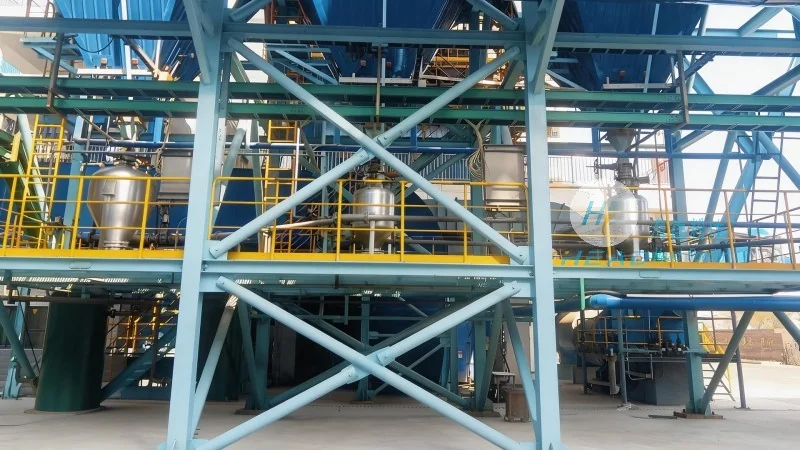
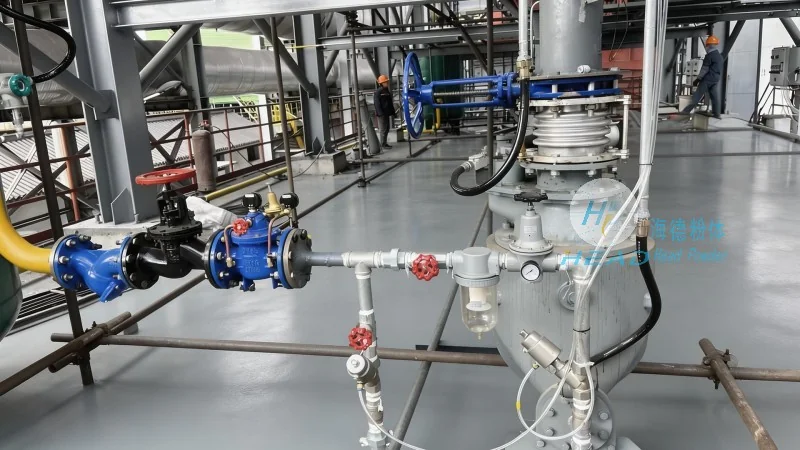
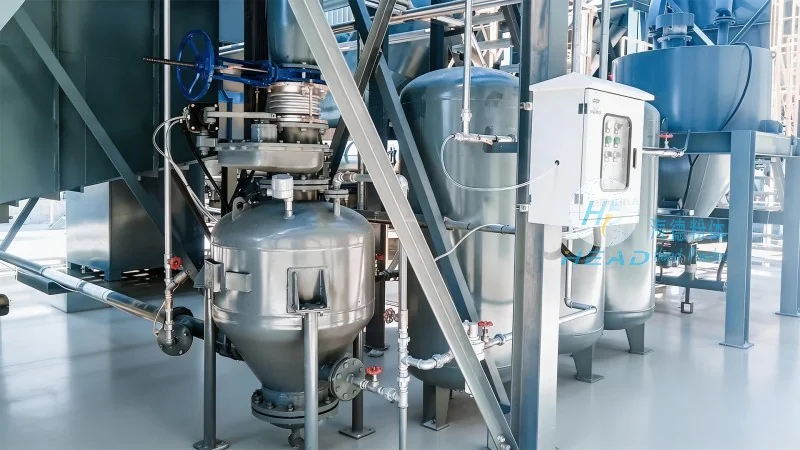
Working Principle of Low-Pressure Continuous Powder Conveying
The core working principle of low-pressure continuous powder conveying involves the use of a closed system where powders are transported through a network of pipes using low-pressure air or gas. Unlike high-pressure systems, low-pressure conveying operates at pressures typically below 0.5 bar, which reduces the risk of dust explosions and makes it suitable for a variety of industrial applications. The process begins with the feeding of the powder into the conveying line, where it is then carried by the air flow through the system. The air velocity is carefully controlled to ensure that the powder particles are suspended and transported without clogging or degradation. This method relies on the principle of pneumatic transport, where the air flow provides the necessary force to move the powder particles through the pipeline. The system is designed to maintain a consistent flow rate, ensuring that the material is transported smoothly and without interruptions. The low-pressure design also allows for easier maintenance and cleaning, as the system components are less prone to wear and tear compared to high-pressure alternatives.
Key Features of Low-Pressure Continuous Powder Conveying
Low-pressure continuous powder conveying offers several distinct advantages that make it an attractive option for many industries. One of the primary features is its ability to handle a wide variety of powder characteristics, including different particle sizes, densities, and flowabilities. This versatility allows it to be used in applications ranging from food processing to chemical manufacturing. Another key feature is the low operational pressure, which significantly reduces the risk of dust explosions and makes the system safer to operate. Additionally, low-pressure conveying systems are generally more energy-efficient compared to high-pressure alternatives, as they require less power to maintain the air flow. The continuous nature of the process ensures a steady and consistent flow of material, which is essential for maintaining production efficiency. Furthermore, these systems are designed to be compact and flexible, allowing for easy integration into existing production lines and adaptation to different spatial constraints. The modular design of the systems also enables easy expansion or modification as production needs change.