

Working Principle and Features of Wood Ash Pneumatic Conveying System Equipment
Shandong HeadPowder Engineering Co., Ltd., a leading manufacturer based in China, specializes in the design and production of advanced pneumatic conveying systems for various industrial applications. Among their product offerings is the wood ash pneumatic conveying system, which is engineered to efficiently handle and transport wood ash from production sites to storage or processing facilities. This system is particularly valuable in industries such as biomass energy, waste management, and environmental remediation, where the effective handling of ash byproducts is critical for operational efficiency and sustainability.
Working Principle of the Wood Ash Pneumatic Conveying System
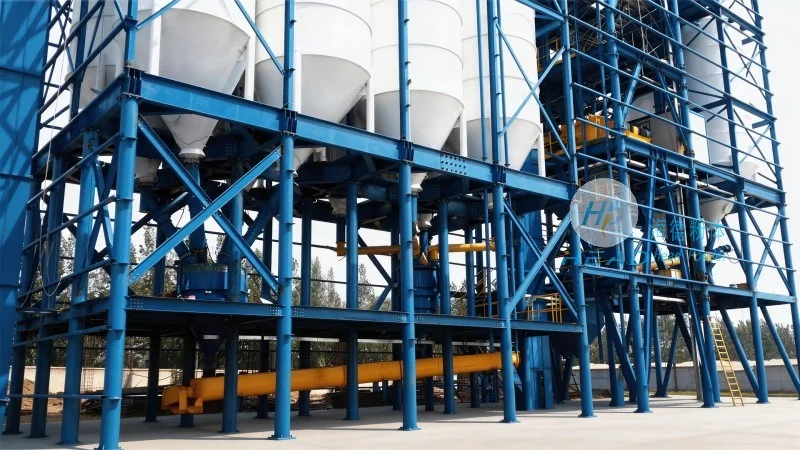
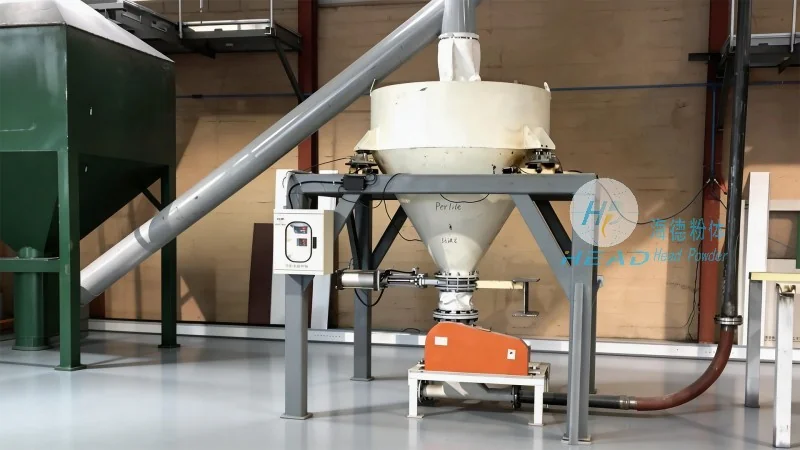
The wood ash pneumatic conveying system operates on the principle of pneumatic transport, which uses air pressure to move bulk materials through a pipeline. The system typically consists of several key components, including a hopper for material storage, a feeder to control the flow of wood ash, a blower or air compressor to generate the necessary air pressure, and a pipeline network that transports the material to the destination. The process begins when wood ash is fed into the hopper from the source, such as a boiler or incinerator. The feeder then regulates the flow of ash into the pipeline, ensuring a consistent and controlled discharge. The blower then generates a high-pressure air stream, which pulls the wood ash particles into the pipeline through a Venturi or suction mechanism. As the air and ash mixture travels through the pipeline, the ash is carried to the receiving hopper or storage tank. The system may also include a filter or separator to remove excess moisture or fine particles from the air before it is released back into the environment, ensuring compliance with environmental regulations.
Key Features of the Wood Ash Pneumatic Conveying System
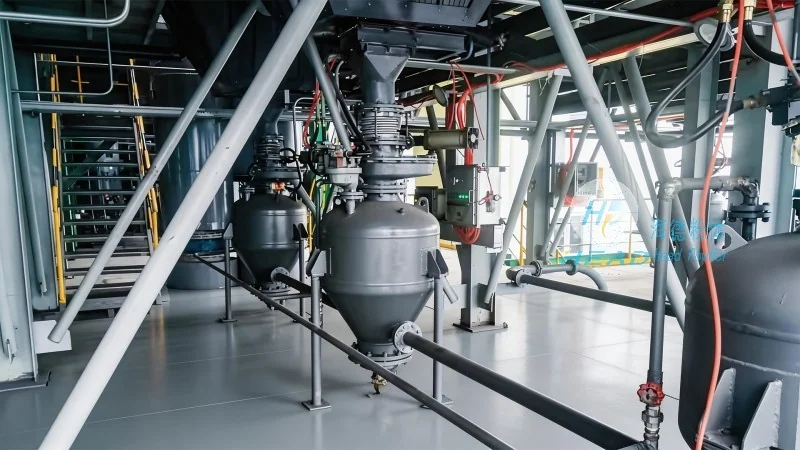
The wood ash pneumatic conveying system from Shandong HeadPowder Engineering Co., Ltd. is designed with several key features that enhance its performance and reliability. One of the primary features is its high efficiency in material transport, which minimizes downtime and maximizes throughput. The system is capable of handling a wide range of wood ash particle sizes, from fine powders to larger granules, without clogging or loss of material. This versatility makes it suitable for various applications, including the transportation of ash from biomass boilers to storage silos or from waste incinerators to disposal sites. Another important feature is the system's energy efficiency, which reduces operational costs and environmental impact. The use of a blower with variable speed control allows for adjustments to the air pressure based on the material flow rate, optimizing energy consumption. Additionally, the system is equipped with safety features, such as pressure relief valves and emergency shut-off mechanisms, to prevent accidents and ensure safe operation. The modular design of the system allows for easy installation and maintenance, with components that can be replaced or upgraded without disrupting the entire operation. This flexibility makes it a cost-effective solution for long-term use in industrial settings.
Advantages and Applications
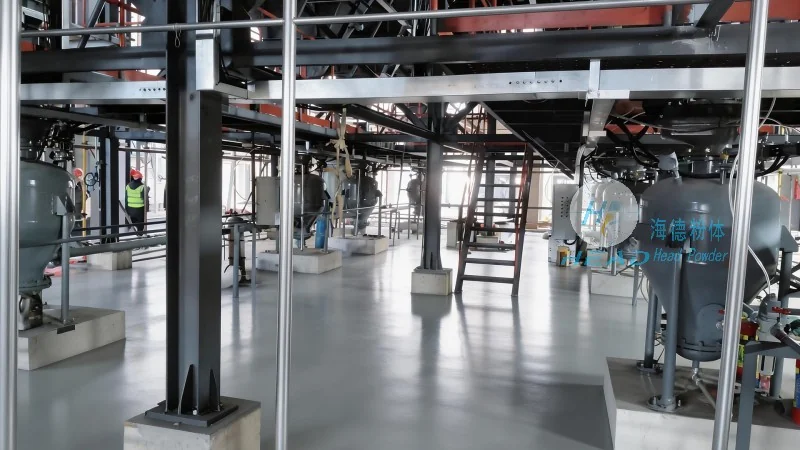
The wood ash pneumatic conveying system offers several advantages that make it an ideal choice for industrial applications. Its ability to handle large volumes of wood ash efficiently reduces the need for manual handling, which improves worker safety and reduces labor costs. The system's compact design allows for installation in confined spaces, making it suitable for facilities with limited floor space. The system also helps in maintaining a clean and dust-free environment by containing the ash within the pipeline, preventing dust emissions and minimizing the risk of fire or explosion. In terms of applications, the system is widely used in biomass power plants, where wood ash is transported from the boiler to the ash handling system. It is also used in waste management facilities, where ash from incinerators is transported to landfills or recycling facilities. The system's adaptability to different material types and flow rates makes it a versatile solution for various industrial needs.