

Working Principle and Features of Dry Manure Pneumatic Conveying System Equipment
Shandong HeadPowder Engineering Co., Ltd., commonly known as headpowder, specializes in the design and manufacturing of advanced dry manure pneumatic conveying systems. Based in Shandong, China, the company provides efficient solutions for handling and transporting dry manure in agricultural and livestock operations. This article explores the working principle and key features of such systems, highlighting their practical applications and benefits.
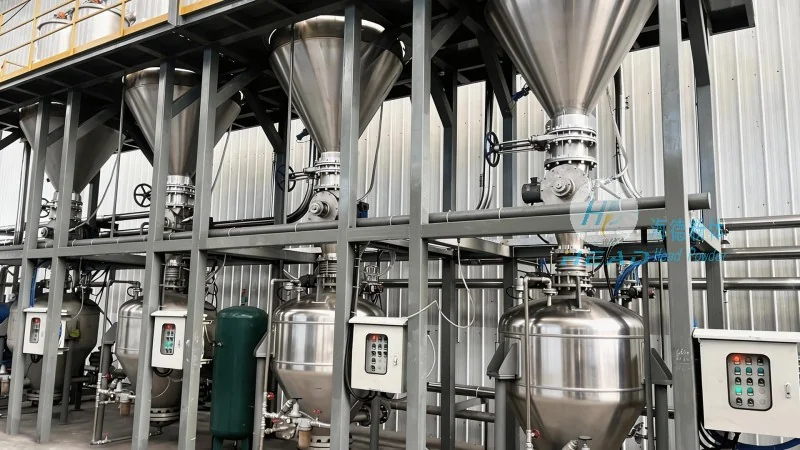
Dry manure pneumatic conveying systems operate by using compressed air or negative pressure to transport dry manure particles through a pipeline. The process typically involves a few key components: a feeding device to introduce the manure into the system, a conveying line where the material is propelled by air, and a collection or discharge unit at the destination. There are two main types of pneumatic conveying systems used for dry manure: positive pressure and negative pressure systems.
In positive pressure systems, a blower or compressor generates high-pressure air that pushes the manure particles through the pipeline. The air and material mixture travels from the source to the destination, with the air pressure maintaining the flow. This method is suitable for short to medium distances and can handle a wide range of manure types, including dry, granular, or powdered materials. The positive pressure system ensures consistent and reliable transport, minimizing blockages and ensuring efficient material movement.
Negative pressure systems, on the other hand, use a vacuum or suction to draw the manure particles into the pipeline. A fan or vacuum pump creates a low-pressure environment that pulls the manure from the source and transports it to the collection point. This approach is ideal for longer distances or when the manure needs to be conveyed from multiple sources to a central location. The negative pressure system is often quieter and can handle finer particles, making it suitable for applications where noise and dust control are important.
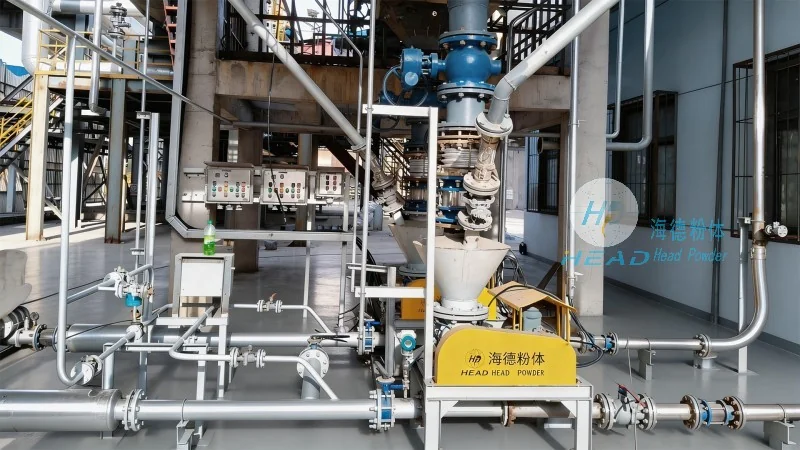
Key Features and Advantages of Dry Manure Pneumatic Conveying Systems
One of the primary advantages of dry manure pneumatic conveying systems is their efficiency in handling dry manure. Unlike traditional methods such as trucks or conveyor belts, pneumatic systems can transport large volumes of material over long distances with minimal labor and energy consumption. The system's ability to handle dry, free-flowing manure without the need for moisture or additives makes it a cost-effective solution for agricultural operations.
Environmental benefits are another significant feature of these systems. By eliminating the need for water or other liquids in the conveying process, the systems reduce water usage and minimize the risk of runoff or contamination. The dry nature of the manure also reduces the potential for odor and dust emissions, contributing to a cleaner and more sustainable operation. Additionally, the enclosed pipeline design prevents the spread of pathogens and reduces the risk of manure exposure to the environment, enhancing safety for both workers and the surrounding community.
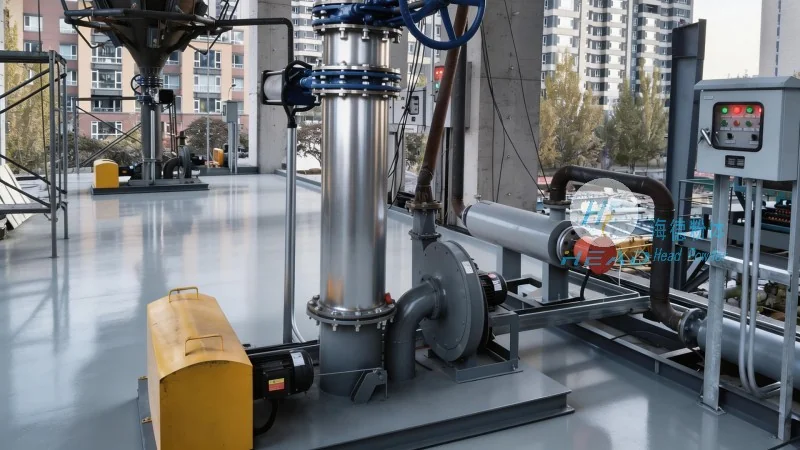
Operational flexibility is a key characteristic of dry manure pneumatic conveying systems. The systems can be customized to fit various farm sizes and layouts, with options for different pipeline lengths, diameters, and material handling capacities. This adaptability allows farmers to integrate the system into existing infrastructure or expand it as their operations grow. The modular design of the components, such as the feeding and discharge units, makes maintenance and repairs more manageable, reducing downtime and ensuring continuous operation.
Energy efficiency is also a notable feature, as modern systems use advanced blower and fan technologies to minimize energy consumption while maintaining optimal performance. The use of high-efficiency motors and variable speed drives allows for precise control of air flow, matching the system's output to the actual conveying needs. This not only reduces operational costs but also contributes to a more sustainable and environmentally friendly operation.
Conclusion
Dry manure pneumatic conveying systems, as offered by Shandong HeadPowder Engineering Co., Ltd., represent a modern and effective solution for the efficient handling and transportation of dry manure. By leveraging pneumatic technology, these systems provide reliable, environmentally friendly, and cost-effective operations for agricultural and livestock industries. The working principle, which involves either positive or negative pressure to move dry manure through pipelines, combined with key features such as efficiency, environmental benefits, and operational flexibility, makes them an ideal choice for farms seeking to improve their manure management processes. With a focus on innovation and customer needs, headpowder continues to provide high-quality solutions that meet the evolving demands of the agricultural sector.