

[W]Working Principle and Features of Sintering Dust Pneumatic Conveying System Equipment
Shandong HeadPowder Engineering Co., Ltd., commonly known as headpowder, is a professional manufacturer specializing in the design, development, and production of pneumatic conveying systems tailored for sintering dust applications. Based in Shandong, China, the company leverages advanced engineering expertise to deliver efficient and reliable solutions for material handling in industrial environments.
Working Principle of Sintering Dust Pneumatic Conveying Systems
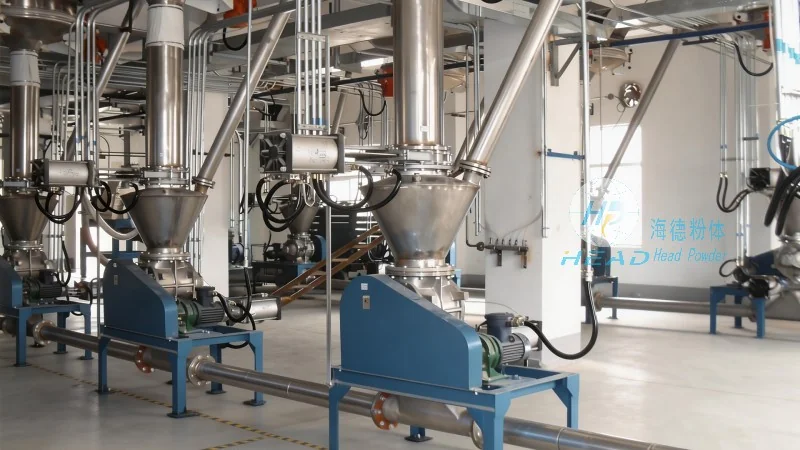
The core working principle of sintering dust pneumatic conveying systems revolves around the use of air as the medium to transport particulate materials. This technology typically operates through two primary modes: suction (or vacuum) conveying and pressure conveying. In suction conveying, a vacuum is created at the material intake point to draw the sintering dust into the system. The system then uses a blower or fan to move the dust through a network of pipes to the discharge point. Conversely, pressure conveying involves forcing air (or a carrier gas) under pressure through the material, propelling it through the pipeline. Both methods rely on the interaction between the air flow and the particulate material to achieve effective transport.
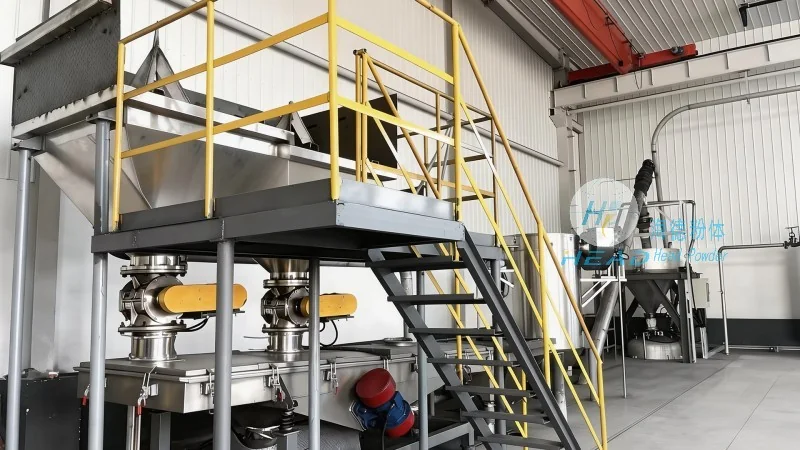
Key components of a typical sintering dust pneumatic conveying system include the material feeder, which ensures a consistent and controlled feed of dust into the system; the conveying pipeline, which may consist of straight sections, bends, and expansion joints to accommodate the material's path; the air separation and cleaning unit, which separates the dust from the air stream and cleans the air for reuse or discharge; and the control system, which regulates the air flow, pressure, and material feed rate to maintain optimal operation. The system's design is tailored to handle the specific characteristics of sintering dust, such as particle size, moisture content, and abrasiveness, ensuring efficient and safe transport.
Key Features of Sintering Dust Pneumatic Conveying Equipment
Efficiency and Reliability: Sintering dust pneumatic conveying systems are designed for high efficiency, capable of transporting large volumes of material over long distances with minimal energy consumption. The use of air as the conveying medium eliminates the need for mechanical components like belts or buckets, reducing wear and tear and extending the equipment's service life. This reliability is crucial in industrial settings where continuous operation is essential.
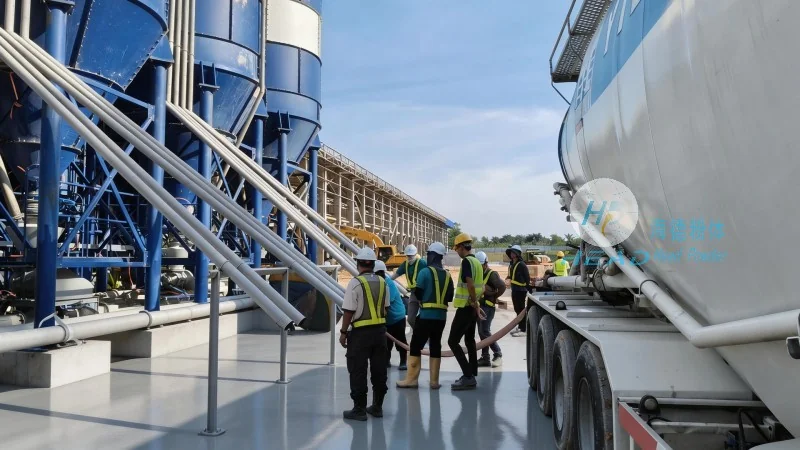
Environmental Friendliness: One of the standout features of pneumatic conveying systems is their ability to minimize dust emissions and environmental impact. By capturing and containing the dust within a closed system, these solutions significantly reduce airborne particulate matter, contributing to a cleaner working environment and compliance with environmental regulations. The air separation unit effectively cleans the exhaust air, further enhancing environmental performance.
Flexibility and Adaptability: The design of sintering dust pneumatic conveying systems allows for flexibility in layout and integration with existing industrial infrastructure. Systems can be configured to handle various material types and flow rates, making them suitable for a range of applications within the sintering industry. Additionally, the modular nature of the equipment enables easy expansion or modification as production needs evolve.
Low Maintenance Requirements: Compared to traditional mechanical conveying methods, pneumatic systems often require less maintenance due to the absence of moving parts in the conveying line. The primary maintenance focus is on the air separation unit and the material feeder, which are designed for durability and ease of service. This reduces downtime and operational costs, making the system a cost-effective choice for long-term use.
Conclusion
Shandong HeadPowder Engineering Co., Ltd. provides advanced sintering dust pneumatic conveying systems that combine efficient material transport with environmental responsibility. By understanding the working principles and key features of these systems, industrial facilities can optimize their material handling processes, improve operational efficiency, and ensure compliance with environmental standards. The company's commitment to quality and innovation ensures that its solutions meet the evolving needs of the sintering industry, delivering reliable and sustainable performance.