

What is a Desulfurization and Denitrification Agent Material Pneumatic Conveying Machine? What is it
Desulfurization and denitrification agents are critical components in modern industrial processes, particularly in power generation and chemical manufacturing. These agents are used to reduce sulfur dioxide (SO₂) and nitrogen oxides (NOₓ) emissions, contributing to environmental protection and compliance with stringent air quality regulations. The efficient and reliable transportation of these agents from storage to processing units is essential for maintaining optimal operational performance. This is where specialized equipment like the desulfurization and denitrification agent material pneumatic conveying machine plays a pivotal role.
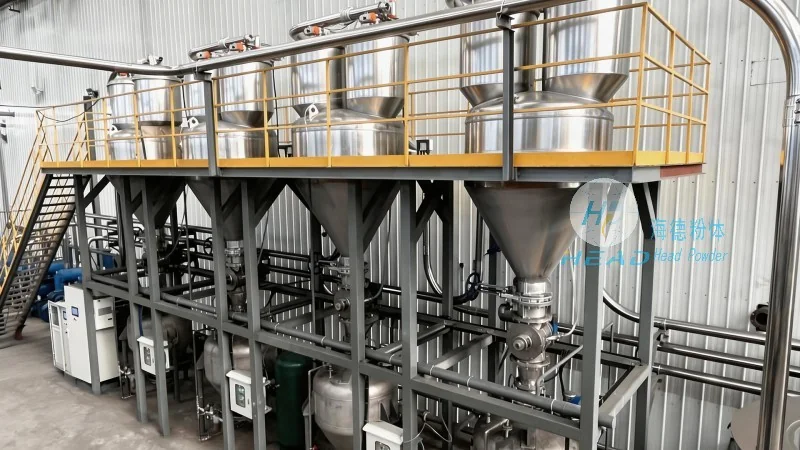
Introduction to the Desulfurization and Denitrification Agent Material Pneumatic Conveying Machine
The desulfurization and denitrification agent material pneumatic conveying machine is a sophisticated system designed to transport bulk materials, such as limestone, activated carbon, or other reagents, used in flue gas desulfurization (FGD) and selective catalytic reduction (SCR) processes. These machines utilize pneumatic conveying technology, which involves the movement of solid particles through a pipeline using compressed air or other gas streams. The primary objective is to ensure safe, dust-free, and efficient transfer of these agents, minimizing material loss and operational downtime.
Company Background: Shandong HeadPowder Engineering Co., Ltd.
HeadPowder, a leading engineering company based in Shandong, China, specializes in the design, manufacturing, and integration of advanced material handling solutions. With a strong commitment to innovation and quality, HeadPowder has established itself as a trusted partner in the industrial sector, providing customized equipment tailored to the unique requirements of clients. The company's expertise in pneumatic conveying systems has enabled it to develop state-of-the-art solutions for handling challenging materials, including desulfurization and denitrification agents.
Design Principles of the Pneumatic Conveying Machine
The design of a desulfurization and denitrification agent material pneumatic conveying machine is based on several key principles to ensure optimal performance and reliability. The system typically consists of a hopper for material storage, a feeder to control the flow rate, a conveying pipeline, and a receiver for the material's final destination. The core of the design is the pneumatic conveying mechanism, which can be categorized into two main types: dilute-phase and dense-phase systems.
In dilute-phase pneumatic conveying, the material is suspended in a high-velocity air stream, allowing it to travel through the pipeline with minimal pressure drop. This method is suitable for low to medium material loads and is commonly used for transporting fine powders like limestone or activated carbon. The design emphasizes maintaining a consistent air velocity to prevent material deposition and ensure smooth flow.
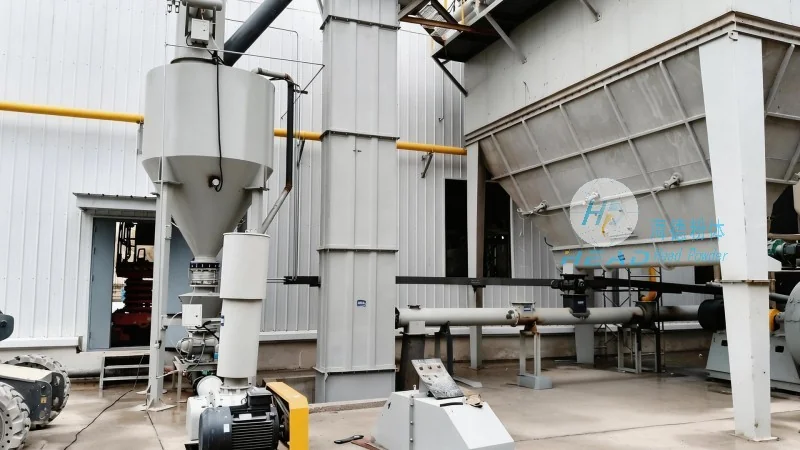
Conversely, dense-phase pneumatic conveying involves a lower air velocity and higher material concentration, where the material travels in a slurry-like state. This approach is ideal for handling abrasive or sticky materials, as it reduces wear on the pipeline and equipment. The design incorporates pressure control mechanisms to regulate the air pressure and material flow, ensuring precise delivery to the processing unit.
Key Components and Their Functions
The desulfurization and denitrification agent material pneumatic conveying machine comprises several critical components, each playing a vital role in the overall operation. The hopper serves as the primary storage vessel, designed to accommodate bulk quantities of the agent while preventing material degradation. It is equipped with a discharge valve that controls the flow of material into the feeder.
The feeder is responsible for regulating the material feed rate, ensuring a consistent and controlled supply to the conveying system. This component is crucial for maintaining stable pressure and preventing surges or blockages in the pipeline. Common types of feeders include rotary valves, screw conveyors, or vibratory feeders, selected based on the material's properties and operational requirements.
The conveying pipeline is the main pathway for transporting the material, typically made of corrosion-resistant materials such as stainless steel or polyethylene to withstand the chemical properties of the desulfurization and denitrification agents. The pipeline design considers factors like pressure drop, material velocity, and the risk of blockages, with appropriate bends, elbows, and expansion joints to minimize friction and maintain smooth flow.
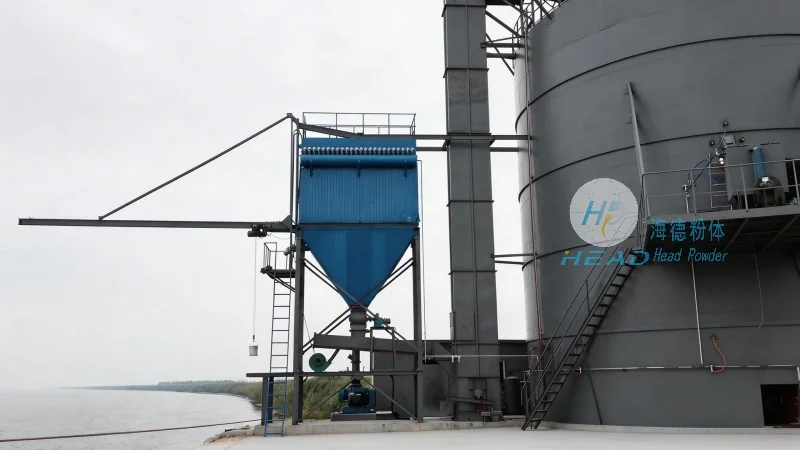
The receiver is the final destination of the material, where it is collected and transferred to the next stage of the process. It is designed to handle the incoming material efficiently, with features like a dust collection system to prevent airborne emissions and a level indicator to monitor the material inventory. The receiver may also include a discharge valve to control the release of the material to the processing unit.
Advantages of the Pneumatic Conveying System
The use of a desulfurization and denitrification agent material pneumatic conveying machine offers several advantages over traditional mechanical conveying methods. One of the primary benefits is the elimination of dust and airborne particles, which enhances workplace safety and reduces the risk of material contamination. This is particularly important for handling fine powders that can cause respiratory issues or environmental pollution.
Another key advantage is the high efficiency and speed of material transfer. Pneumatic conveying systems can transport materials over long distances with minimal time delays, improving overall production throughput. The ability to control the flow rate and pressure allows for precise dosing of the desulfurization and denitrification agents, ensuring optimal performance in the FGD and SCR processes.
Furthermore, the system is highly adaptable to different material types and process requirements. By adjusting the air velocity, pressure, and material feed rate, the machine can handle a wide range of agents, from fine powders to bulk materials. This flexibility makes it suitable for various industrial applications, including power plants, chemical factories, and waste treatment facilities.
Application in Industrial Processes
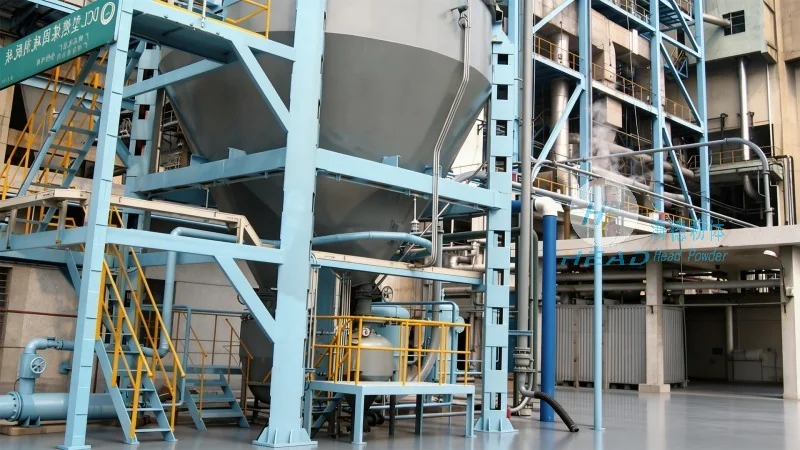
The desulfurization and denitrification agent material pneumatic conveying machine is widely used in industrial processes that require the efficient handling of bulk materials. In power generation, for example, the machine is integral to the FGD system, where limestone is used to neutralize sulfur dioxide emissions. The pneumatic conveying system ensures that limestone is delivered to the absorber tower at the correct rate, maintaining the pH balance and reducing SO₂ emissions.
In the context of selective catalytic reduction (SCR), the machine is used to transport activated carbon or other reagents to the catalyst bed. The precise control of material flow is critical in SCR systems, as it directly impacts the reduction efficiency of nitrogen oxides. The pneumatic conveying system provides the necessary accuracy and reliability to ensure optimal performance.
Additionally, the machine is employed in chemical manufacturing and waste treatment facilities, where desulfurization and denitrification agents are used to treat industrial emissions. The ability to handle abrasive and corrosive materials makes the pneumatic conveying system a preferred choice in these applications, as it minimizes equipment wear and extends the lifespan of the machinery.
Conclusion
The desulfurization and denitrification agent material pneumatic conveying machine is a vital piece of equipment in modern industrial operations, enabling the efficient and safe transportation of critical agents used in environmental protection processes. Developed by companies like Shandong HeadPowder Engineering Co., Ltd., these machines are designed based on advanced principles of pneumatic conveying, incorporating robust components and flexible systems to meet the diverse needs of clients. By leveraging this technology, industries can enhance their operational efficiency, reduce environmental impact, and comply with stringent regulations, contributing to a sustainable future.