

Chromium(III) Oxide Material Pneumatic Conveyor: Understanding Its Function and Design Principles
Chromium(III) oxide, also known as Cr₂O₃, is a widely used chemical compound in various industrial applications, including pigments, catalysts, and polishing compounds. When handling this material, specialized equipment is often required to ensure efficient and safe transportation. This article explores the concept of a chromium(III) oxide material pneumatic conveyor, detailing its purpose and the underlying design principles that make it effective for material handling tasks.
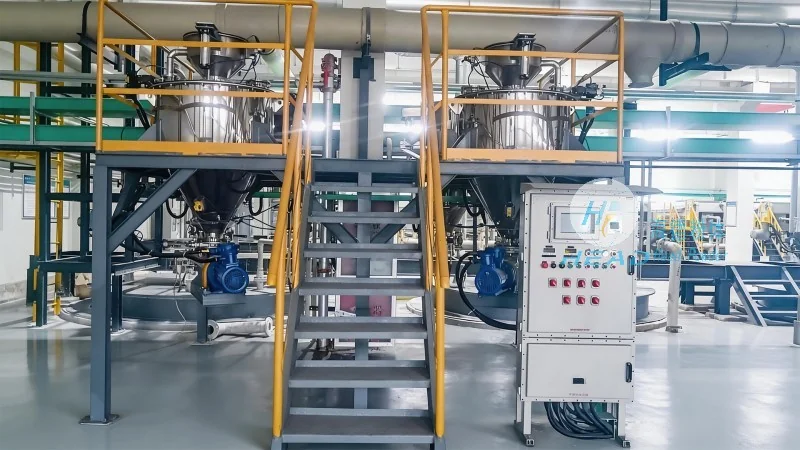
What is a Chromium(III) Oxide Material Pneumatic Conveyor?
A chromium(III) oxide material pneumatic conveyor is a type of industrial equipment designed to transport fine powders or granular materials, such as chromium(III) oxide, through a pipeline using air or other gas as the conveying medium. Unlike traditional mechanical conveyors, which rely on belts, screws, or buckets, pneumatic conveyors utilize the force of compressed air to move materials. This method is particularly advantageous for handling materials that are dusty, abrasive, or sensitive to moisture, as it minimizes direct contact and reduces the risk of contamination or degradation.
Key Design Principles of Pneumatic Conveyors for Chromium(III) Oxide
The effectiveness of a chromium(III) oxide material pneumatic conveyor is determined by several critical design principles that ensure optimal performance, efficiency, and safety. These principles include:
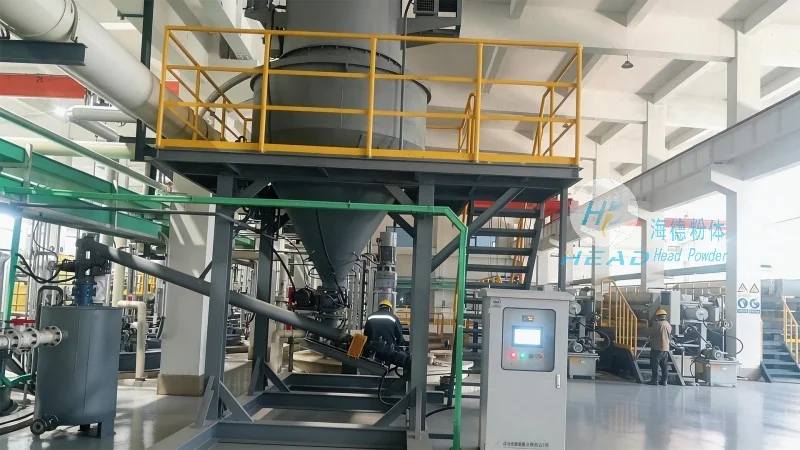
- Conveying Velocity and Pressure: The velocity of the conveying air and the pressure within the system are crucial factors. Proper velocity ensures that the material is carried efficiently without causing excessive wear on the system components. The pressure must be sufficient to overcome resistance and maintain a stable flow of material.
- Material Characteristics: The physical properties of chromium(III) oxide, such as its particle size, density, and flowability, directly impact the design of the pneumatic conveyor. For example, fine powders may require higher air velocities and more precise control to prevent clogging or segregation.
- System Configuration: The layout of the conveyor system, including the number of inlets, outlets, and the presence of bends or vertical sections, affects the overall performance. A well-designed system minimizes pressure drops and ensures consistent material flow throughout the entire process.
- Component Selection: The choice of materials for the conveyor components, such as the pipeline, valves, and filters, is vital. Since chromium(III) oxide can be abrasive and corrosive in some applications, components made from durable materials like stainless steel or special alloys are often used to extend the equipment's lifespan and maintain material purity.
Applications and Benefits of Using Pneumatic Conveyors for Chromium(III) Oxide
Chromium(III) oxide material pneumatic conveyors are widely used in industries where the material needs to be transported from one location to another without compromising its quality or safety. Some common applications include:
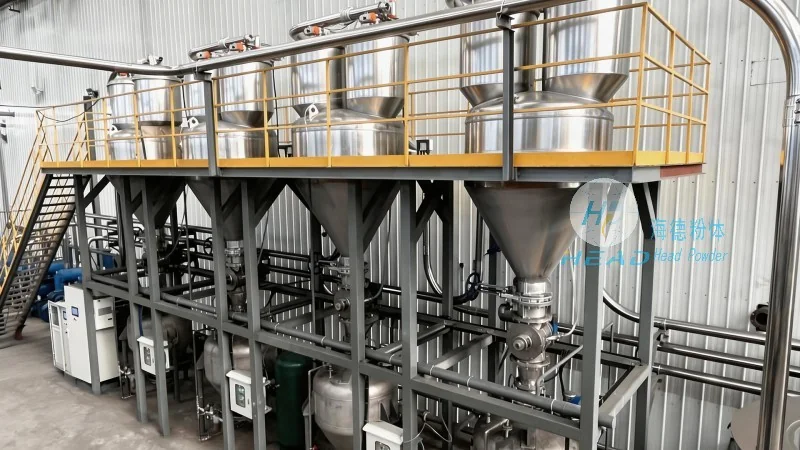
- Pigment Manufacturing: In the production of chromium-based pigments, pneumatic conveyors are used to move the raw chromium(III) oxide powder from storage to processing units, ensuring a clean and efficient workflow.
- Catalyst Production: For the manufacturing of chromium-based catalysts, precise material handling is essential to maintain the purity of the catalyst. Pneumatic conveyors help in transporting the catalyst powder to reactors and other processing equipment.
- Polishing and Finishing: In the metalworking and polishing industry, chromium(III) oxide is used as a polishing compound. Pneumatic conveyors enable the safe and efficient transport of this abrasive material to polishing machines, reducing the risk of exposure and improving operational efficiency.
Advantages of Pneumatic Conveying Over Traditional Methods
Compared to traditional mechanical conveyors, pneumatic conveyors offer several advantages when handling chromium(III) oxide:
- Reduced Downtime and Maintenance: Pneumatic systems have fewer moving parts, which reduces the likelihood of mechanical failure and lowers maintenance requirements. This leads to lower operational costs and increased system reliability.
- Improved Material Purity: Since the material is not in direct contact with mechanical components, the risk of contamination or cross-contamination is minimized. This is particularly important for chromium(III) oxide, which is used in applications where purity is critical.
- Flexibility in Layout: Pneumatic conveyors can be easily reconfigured or expanded to accommodate changes in production processes or facility layouts. This flexibility makes them suitable for dynamic industrial environments.
- Energy Efficiency: Modern pneumatic systems are designed to be energy-efficient, using only the necessary amount of air to convey the material. This reduces energy consumption and operating costs compared to older or less efficient systems.
Conclusion
Chromium(III) oxide material pneumatic conveyors are essential equipment for industries dealing with this important chemical compound. By understanding the design principles and benefits of these systems, businesses can ensure efficient, safe, and cost-effective material handling. The expertise of companies like Shandong HeadPowder Engineering Co., Ltd., with their focus on specialized material handling solutions, plays a crucial role in providing reliable and high-performance pneumatic conveyor systems for chromium(III) oxide and other challenging materials.